Quick Answer
Aeroponic nozzle selection determines droplet size, root coverage, and system uptime — misting nozzles (0.3–0.5 mm orifice, 80–100 PSI) produce optimal 30–80-micron droplets for root oxygenation, while fogger nozzles operate at lower pressure but require weekly cleaning to prevent mineral scale clogging. --- What Types of Nozzles Are Used in Aeroponic Systems? Nozzle selection is one of the highest-leverage decisions…
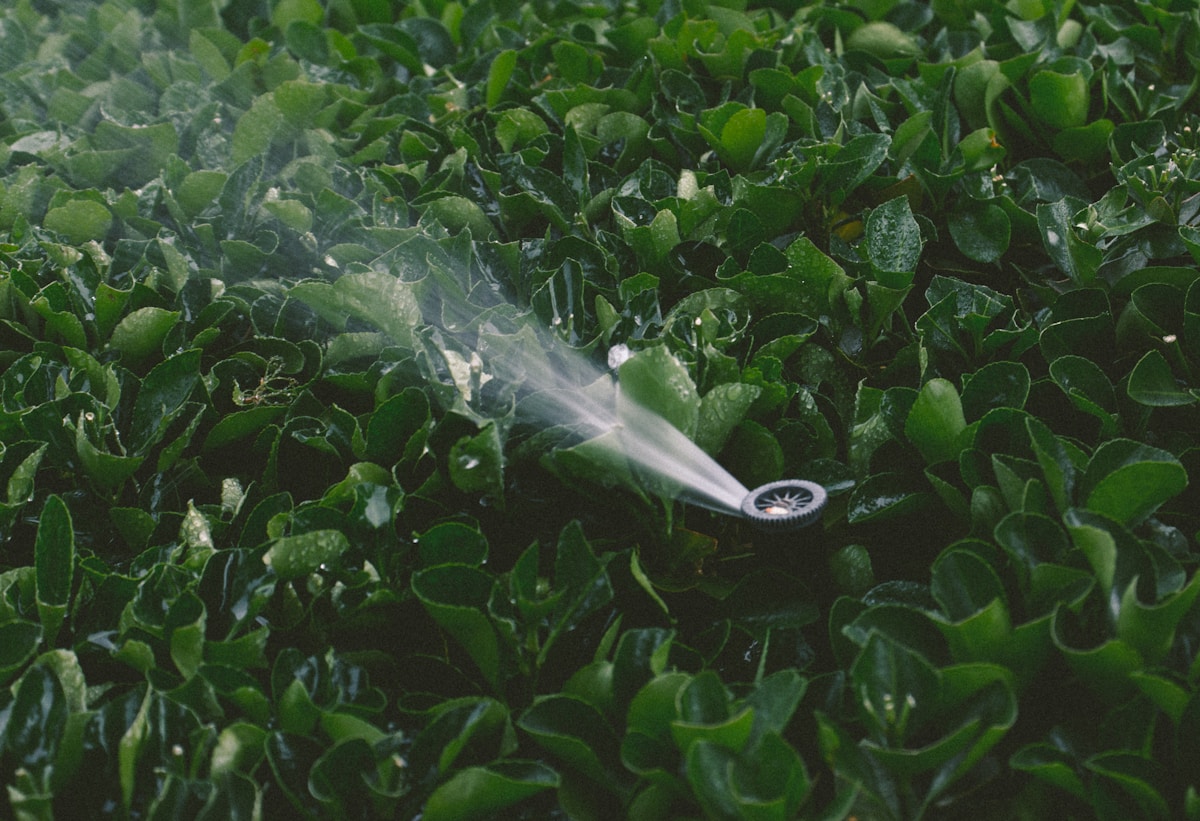
Aeroponic nozzle selection determines droplet size, root coverage, and system uptime — misting nozzles (0.3–0.5 mm orifice, 80–100 PSI) produce optimal 30–80-micron droplets for root oxygenation, while fogger nozzles operate at lower pressure but require weekly cleaning to prevent mineral scale clogging.
What Types of Nozzles Are Used in Aeroponic Systems?
Nozzle selection is one of the highest-leverage decisions in aeroponic system design. The wrong nozzle type for a given pump pressure produces either over-large droplets (insufficient oxygenation) or flow-restricted spray patterns that leave root zones under-misted. There are four nozzle families commonly used in aeroponic applications.
1. Flat Fan Misting Nozzles
The most common choice for high-pressure aeroponics. These nozzles use a precision-machined orifice (0.3–0.5 mm) and a fan-shaped spray pattern to distribute nutrient solution across a wide swath of hanging root mass. Operating at 80–100 PSI, flat fan nozzles produce droplets in the 30–80-micron range — the "golden zone" for aeroponic root hydration.
Specifications:
- Operating pressure: 75–120 PSI
- Flow rate: 0.1–0.3 GPH per nozzle
- Droplet size: 30–80 microns
- Orifice diameter: 0.3–0.5 mm
- Material: Stainless steel (preferred) or brass
- Thread size: 10/24 UNC or 1/8" NPT (system-dependent)
Best for: Full-cycle aeroponic growing where maximum root oxygenation is the goal. These are the nozzles used in NASA's aeroponic research and most commercial HPA installations.
2. Full-Cone Spray Nozzles
Full-cone nozzles project a circular, filled spray pattern rather than a fan. At HPA pressures, they produce similar droplet sizes to flat fan nozzles but distribute mist in a 360° cone — useful for cylindrical tower chambers where roots hang around a central manifold and require uniform coverage on all sides.
Specifications:
- Operating pressure: 60–100 PSI
- Flow rate: 0.2–0.5 GPH per nozzle
- Droplet size: 40–100 microns
- Thread size: 1/8" NPT
Best for: Vertical tower systems with circumferential root distribution. Space full-cone nozzles every 6–8 inches along the manifold for uniform coverage.
3. Fogger / Ultrasonic Misting Heads
Ultrasonic foggers use a piezoelectric transducer vibrating at 1.7–2.4 MHz to create true fog — droplets below 10 microns in diameter. This is finer than any pressure-based nozzle can achieve. However, ultrasonic foggers have significant drawbacks in nutrient solution applications.
Specifications:
- Operating pressure: None (electrical, no pump pressure required)
- Droplet size: 1–10 microns
- Power consumption: 15–30W per head
- Flow rate: 300–500 mL/hour per head
Critical limitation: Ultrasonic transducers rapidly mineralise in nutrient solution. Calcium and magnesium salts precipitate on the vibrating disc, reducing output within days and requiring daily cleaning. Most ultrasonic foggers also do not deliver adequate solution volume per root mass for fast-growing crops — the fog is so fine it evaporates before reaching lower root zones in a tall tower. Ultrasonic foggers are used in germination chambers and humidity maintenance but are generally inappropriate as the primary delivery mechanism in production aeroponic systems.
4. Drip Emitters and Spray Stakes
Low-pressure drip emitters and 360° spray stakes (common in low-pressure aeroponic and Tower Garden-style systems) operate at 5–30 PSI. They produce droplets of 200–500 microns and function more as drip irrigation than true mist.
| Nozzle Type | Pressure Range | Droplet Size | Clog Risk | Best Application |
|---|---|---|---|---|
| Flat fan misting | 75–120 PSI | 30–80 µm | High | HPA production systems |
| Full-cone spray | 60–100 PSI | 40–100 µm | High | HPA tower chambers |
| Ultrasonic fogger | 0 PSI (electric) | 1–10 µm | Very high | Germination, humidity |
| Drip emitter | 5–30 PSI | 200–500 µm | Low | LPA, Tower Garden-style |
| Spray stake | 10–25 PSI | 100–300 µm | Low | LPA home towers |
How Do You Select the Right Nozzle for Your System?
Nozzle selection must be matched to pump pressure. Installing high-pressure flat fan nozzles on a low-pressure pond pump produces a dribble, not a mist. Conversely, using low-pressure spray stakes on an HPA diaphragm pump will cause them to blow off fittings or produce a coarse jet rather than a spray pattern.
Step 1 — Determine your pump's operating pressure. Diaphragm pumps (Aquatec, Shurflo, Flojet) typically deliver 60–100 PSI. Pond and fountain pumps deliver 5–30 PSI. Check the pump specification sheet.
Step 2 — Match nozzle to pressure. Use the table above to select a nozzle type compatible with your pump's output pressure.
Step 3 — Calculate flow rate and nozzle quantity. Each nozzle has a flow rate at operating pressure (GPH). The total nozzle flow rate must be within the pump's rated GPH output. For a 24-nozzle manifold using 0.2 GPH flat fan nozzles: total flow = 4.8 GPH. Verify your pump can sustain pressure at this flow rate (consult pump curve specifications).
Step 4 — Determine spacing for root coverage. Measure the root zone volume in your chamber. For a vertical tower, one full-cone nozzle every 6–8 inches or two flat fan nozzles per 12-inch chamber section (aimed at opposite walls) provides adequate coverage.
What Is the Right Cleaning Schedule for Aeroponic Nozzles?
Nozzle maintenance is the most labour-intensive aspect of running an HPA system. Mineral scale from calcium, magnesium, and iron in nutrient solution accumulates inside precision orifices and restricts flow within weeks in hard-water conditions.
Daily
- Visually inspect spray pattern during a misting cycle. Any nozzle producing a stream instead of a mist or showing no output at all is partially or fully clogged.
- Check reservoir EC and pH — rising EC without addition of nutrients can indicate evaporation-related concentration, which accelerates scale formation.
Weekly
Field soak: Without removing nozzles from the manifold, run the system with a 0.5 g/L citric acid solution (food grade) for 20–30 minutes. Citric acid dissolves calcium and magnesium carbonate deposits without damaging stainless steel or brass nozzle bodies. Flush with plain pH-adjusted water afterward.
Monthly
Bench cleaning:
- Remove nozzles from manifold using the appropriate wrench (do not overtighten when reinstalling — most nozzle body threads are finger-tight + 1/4 turn).
- Soak in white vinegar (5% acetic acid) for 2–4 hours. For heavy scale, use a 10% citric acid solution.
- Use a soft nozzle cleaning brush (not metal) or compressed air to clear the orifice. Never use metal wire or pins in precision nozzle orifices — this permanently enlarges the orifice and changes the spray pattern.
- Backflush by pushing clean water through the inlet end.
- Inspect orifice under 10× magnification if available; a clean nozzle should show a symmetrical, unobstructed opening.
- Reinstall with fresh PTFE thread tape on NPT threads.
Preventing Scale Before It Starts
| Prevention Method | Effectiveness | Cost |
|---|---|---|
| Use RO water (EC < 0.1) | Very high | $50–$200 for RO unit |
| Add chelated nutrients only | High | Minimal (nutrient choice) |
| pH 5.8–6.0 range | High | Minimal |
| Citric acid weekly flush | High | <$1/week |
| Silica supplement | Moderate | $10–$20/month |
| Replace nozzles bi-annually | Moderate | $5–$15 per nozzle set |
How Do You Diagnose and Troubleshoot Nozzle Problems?
Problem: Uneven mist distribution across the chamber
Cause: Scale buildup in specific nozzles, air lock in manifold, or pressure drop from excessive total flow. Fix: Run field soak, check for air bubbles in tubing, verify total nozzle GPH does not exceed pump capacity.
Problem: Nozzles spray a stream rather than mist
Cause: Operating pressure too low for nozzle specification, or nozzle orifice enlarged by mechanical damage. Fix: Verify pump pressure with inline gauge. If pressure is correct, replace nozzles — enlarged orifices cannot be restored.
Problem: Roots are dry between mist cycles
Cause: Misting interval too long, insufficient nozzle coverage, or flow rate too low. Fix: Shorten mist-off interval to 3 minutes maximum, add additional nozzles to cover blind spots, or increase pump operating pressure within nozzle specification range.
Problem: Root zone standing water
Cause: Misting cycles too long, nozzles producing oversized droplets (pressure too low), or chamber drain blocked. Fix: Reduce mist-on time to 60–90 seconds, verify operating pressure, inspect and clear drain port.
Frequently Asked Questions
What is the best nozzle material for nutrient solution — brass, stainless steel, or plastic?
Can I run aeroponics without a timer by using a continuous flow manifold?
How many nozzles do I need for a 5-foot vertical tower?
Some links in this article are affiliate links. If you purchase through them, we may earn a small commission — at no extra cost to you.
 BN-LINK Short Period Repeat Cycle Intermittent Timer
 GROWNEER 50-Pack 2-Inch Slotted Mesh Net Pots
 BN-LINK Short Period Repeat Cycle Digital Timer (1-sec to 23-hr intervals)BN-LINK Short Period Repeat Cycle Digital Timer (1-sec to 23-hr intervals)
 Nutraponics Aeroponics Tower Garden (48-Plant, External Pump)GROWNEER 50-Pack 2-Inch Slotted Mesh Net Pots
 50-Piece Stainless Steel Misting Nozzle Kit (Anti-Drip, 0.3 mm Orifice)
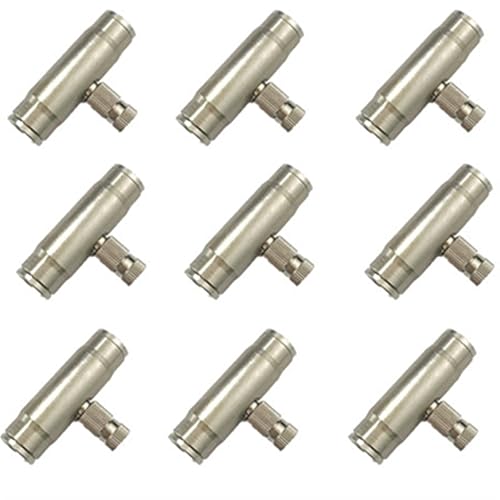 20-Piece Stainless Steel Misting Nozzle Kit (High Pressure, 3/16-inch)Nutraponics Aeroponics Tower Garden (48-Plant, External Pump)