Quick Answer
High-pressure aeroponics (HPA) operates at 80–100 PSI to produce ultra-fine 50-micron mist droplets that maximise oxygen and nutrient absorption, while low-pressure aeroponics (LPA) runs at 10–25 PSI with coarser 100–200-micron droplets using simpler, cheaper equipment. --- What Is the Difference Between High-Pressure and Low-Pressure Aeroponics? Aeroponics suspends plant roots in air and delivers nutrients via mist. The key variable that…
High-pressure aeroponics (HPA) operates at 80–100 PSI to produce ultra-fine 50-micron mist droplets that maximise oxygen and nutrient absorption, while low-pressure aeroponics (LPA) runs at 10–25 PSI with coarser 100–200-micron droplets using simpler, cheaper equipment.
What Is the Difference Between High-Pressure and Low-Pressure Aeroponics?
Aeroponics suspends plant roots in air and delivers nutrients via mist. The key variable that separates the two systems is operating pressure — and pressure determines everything from droplet size to root zone oxygen levels to hardware cost.
High-Pressure Aeroponics (HPA) uses a pump capable of sustaining 80–100 PSI (pounds per square inch). At these pressures, purpose-built misting nozzles atomise nutrient solution into droplets averaging 30–80 microns in diameter. These micron-sized droplets coat root surfaces in a thin film, maximising the surface area available for oxygen and nutrient uptake simultaneously.
Low-Pressure Aeroponics (LPA) uses standard pond or fountain pumps running at 10–25 PSI. Common spray heads or submersible misters produce droplets in the 100–200-micron range. The larger droplets deliver nutrients adequately but carry less dissolved oxygen than the ultra-fine HPA mist.
| Feature | High-Pressure (HPA) | Low-Pressure (LPA) |
|---|---|---|
| Operating pressure | 80–100 PSI | 10–25 PSI |
| Droplet size | 30–80 microns | 100–200 microns |
| Pump type | Diaphragm or piston pump | Pond / fountain pump |
| Relative cost | $200–$600+ | $30–$150 |
| Root oxygenation | Excellent | Good |
| Clog risk | Higher (fine nozzles) | Lower |
| Growth speed | Fastest | Fast |
How Do Pressure Specs Affect Droplet Size and Root Health?
Droplet size is not merely an engineering curiosity — it directly determines how roots absorb water, nutrients, and oxygen.
At 80–100 PSI, the shear force through a 0.3–0.5 mm nozzle orifice breaks the liquid into a true aerosol fog. These 30–80-micron droplets behave more like a gas than a liquid: they remain suspended, penetrate root hair structures, and evaporate rapidly, keeping the root chamber at high relative humidity (95–100 %) without waterlogging. The result is a root zone that is simultaneously saturated with nutrient film and rich in dissolved oxygen — the ideal condition for explosive vegetative growth.
At 10–25 PSI, droplets in the 100–200-micron range settle quickly due to gravity and surface tension. Roots still get wet and nutrient-coated, but a proportion of each spray cycle runs off as gravity drainage rather than adhering as a film. Root oxygen levels are lower because larger droplets carry less dissolved O₂ and the drainage effect can pool liquid near the stem base if chamber design is poor.
Practical takeaway: HPA's finer mist produces measurably faster root development in the first two weeks of growth, which translates to earlier harvests for fast-cycle crops like lettuce and herbs.
What Are the Pros and Cons of Each System?
High-Pressure Aeroponics
Pros:
- Fastest plant growth of any cultivation method — roots receive maximum oxygen
- Water efficiency: ultra-fine mist means less run-off and less total solution consumed
- Scalable: commercial installations use HPA because per-unit resource consumption drops as scale increases
- Cleaner root zone: fine mist disperses evenly, reducing wet spots that harbour pathogens
Cons:
- Cost: a reliable diaphragm pump (e.g., Aquatec, Shurflo) plus stainless nozzles costs $200–$600 for a basic home system
- Nozzle clogging: mineral scale and biofilm block 0.3 mm orifices within weeks without rigorous maintenance
- Complexity: requires timers, pressure regulators, accumulators, and check valves — more points of failure
- Pump noise: piston and diaphragm pumps are louder than submersible pond pumps
Low-Pressure Aeroponics
Pros:
- Inexpensive: a 600 GPH pond pump and basic spray heads cost under $50
- Beginner-friendly: fewer components, simpler plumbing, easier troubleshooting
- Lower maintenance: larger orifices clog far less frequently
- Quiet: submersible pumps run nearly silently
Cons:
- Growth rate is slower than HPA due to lower root oxygenation
- Higher water consumption relative to nutrient delivered
- Larger droplets can pool and raise root zone humidity unevenly
- Less efficient at scale — resource savings diminish compared to HPA
Which System Should You Choose?
The decision hinges on three variables: budget, crop type, and experience level.
Choose HPA if:
- You are growing commercially or semi-commercially and need maximum yield per square foot
- You are propagating cuttings — HPA produces roots on clones in 5–10 days, versus 10–18 days in LPA
- You have experience with hydroponic maintenance and are comfortable with regular nozzle cleaning
- Your crop has a short production cycle (lettuce, spinach, herbs) where the speed advantage compounds quickly
Choose LPA if:
- You are building a first aeroponic system and want to learn the fundamentals without a large upfront investment
- Your grow space is small (a single tower or cabinet) where absolute maximum growth speed is less important than reliability
- You want a quiet system in a living space
- You are growing slower-maturing crops (tomatoes, peppers) where the per-cycle speed advantage of HPA is smaller relative to the total crop timeline
Hybrid approach: Many intermediate growers run LPA for vegetative growth and switch cuttings to an HPA cloner. This captures HPA's main advantage (rapid rooting) while keeping operational costs manageable.
Frequently Asked Questions
Can I convert a low-pressure system to high-pressure?
How often do HPA nozzles clog and how do I prevent it?
Is high-pressure aeroponics worth the cost for a home grower?
Some links in this article are affiliate links. If you purchase through them, we may earn a small commission — at no extra cost to you.
 BN-LINK Short Period Repeat Cycle Intermittent Timer
 GROWNEER 50-Pack 2-Inch Slotted Mesh Net Pots
 BN-LINK Short Period Repeat Cycle Digital Timer (1-sec to 23-hr intervals)
 50-Piece Stainless Steel Misting Nozzle Kit (Anti-Drip, 0.3 mm Orifice)
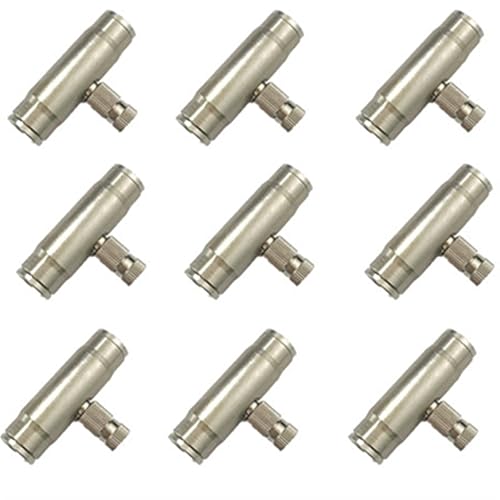 20-Piece Stainless Steel Misting Nozzle Kit (High Pressure, 3/16-inch)
 Nutraponics Aeroponics Tower Garden (48-Plant, External Pump)GROWNEER 50-Pack 2-Inch Slotted Mesh Net Pots
 General Hydroponics pH Control Kit (pH Up, pH Down, Test Indicator)BN-LINK Short Period Repeat Cycle Intermittent Timer

