Quick Answer
The best fish for aquaponics are hardy, fast-growing, and tolerant of variable water conditions. Tilapia leads for warm-climate food production; goldfish and koi suit cold-water or ornamental systems; catfish and trout offer alternatives for specific regions and preferences. --- Why does fish choice matter in aquaponics? Your fish are the engine of your aquaponics system. They produce the ammonia that…
The best fish for aquaponics are hardy, fast-growing, and tolerant of variable water conditions. Tilapia leads for warm-climate food production; goldfish and koi suit cold-water or ornamental systems; catfish and trout offer alternatives for specific regions and preferences.
Why does fish choice matter in aquaponics?
Your fish are the engine of your aquaponics system. They produce the ammonia that beneficial bacteria convert into plant nutrients. The species you choose determines your system's water temperature requirements, stocking density limits, feeding costs, and whether you can eat the harvest. Getting this choice right from the start prevents costly restarts later.
The main factors to evaluate are:
- Temperature tolerance — does the species match your climate or your ability to heat/cool the tank?
- Feed-to-waste ratio — how efficiently does the fish convert feed into waste that feeds plants?
- Hardiness — can the fish tolerate the ammonia and nitrite fluctuations common in new systems?
- Legal status — some species (particularly tilapia) are banned or restricted in certain US states and countries due to invasive risk
What are the pros and cons of tilapia for aquaponics?
Tilapia is the most popular aquaponics fish globally for good reasons, but it comes with real limitations.
Pros:
- Extremely hardy — tolerates ammonia, nitrite, and pH swings that would kill other species
- Fast-growing — reaches harvest size (450–700g) in 6–9 months
- Warm water adapted — thrives at 25–30°C (77–86°F), matching ideal bacterial activity temperatures
- Omnivorous — accepts a wide variety of feed including plant-based pellets and duckweed
- Prolific waste producers — generates abundant nutrients for plants
Cons:
- Requires water heater in temperate climates, adding ongoing energy costs
- Restricted or banned in several US states (Florida, California, Nevada, and others) — check local regulations before purchasing
- Breeding in your tank can quickly lead to overcrowding if males and females are mixed
- Mild flavour that some growers consider a negative for direct sale markets
Recommended for: Warm-climate growers, food-production focused systems, commercial operators.
Which fish are best for cold climates — goldfish, koi, or trout?
Cold-climate growers have several strong options that avoid heating costs.
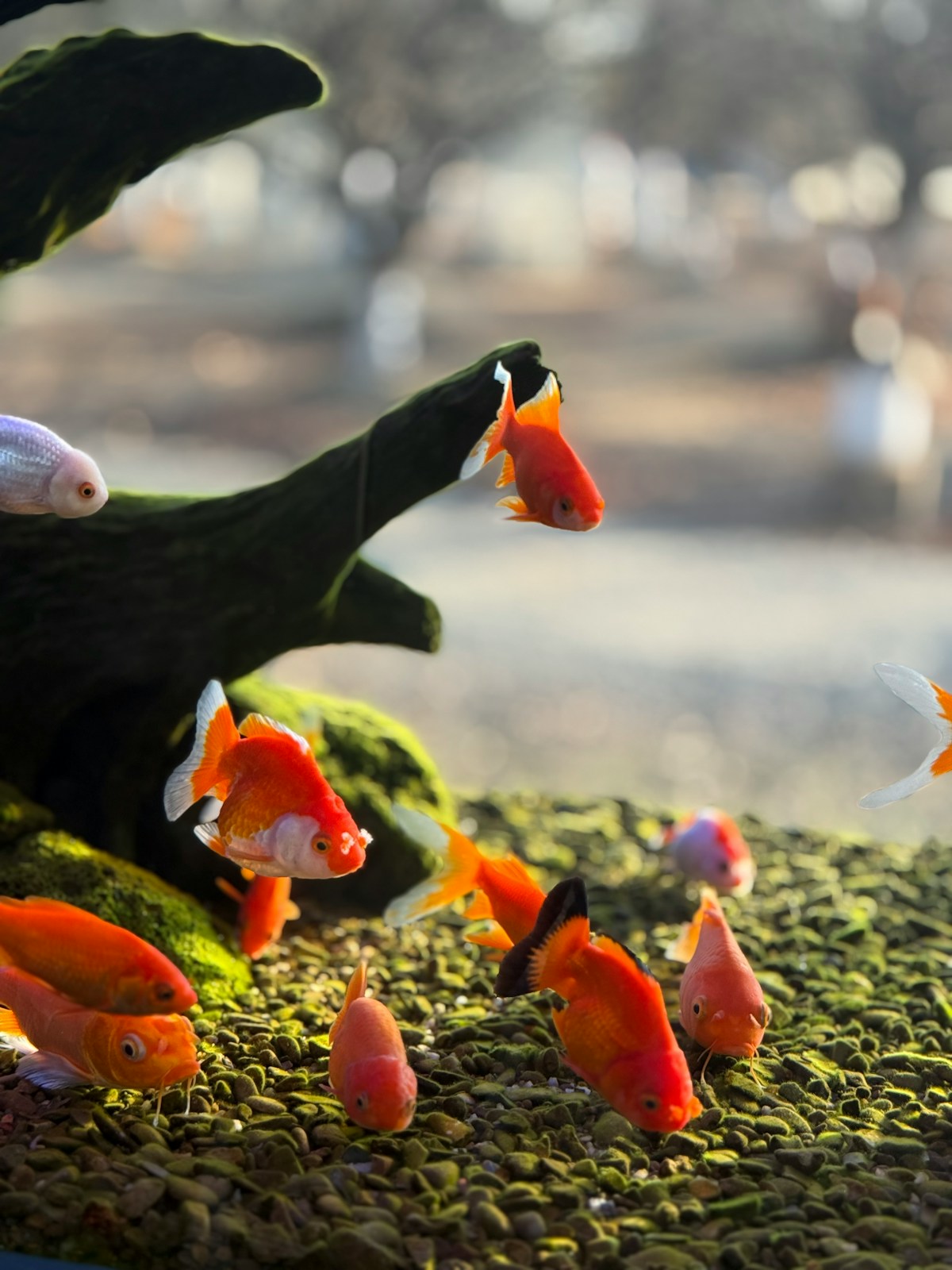
Goldfish are the most beginner-friendly cold-water fish. They are extremely hardy, widely available, inexpensive, and legal everywhere. They produce abundant waste relative to their size, making them excellent nutrient generators. They will not be eaten, so they suit growers focused entirely on plant production. Goldfish thrive at 10–24°C (50–75°F).
Koi are a premium alternative to goldfish. They grow significantly larger (up to 60–90 cm), produce more waste (more nutrients), and can live decades. Koi have a strong ornamental market — selling large koi can be a meaningful revenue stream. They share goldfish temperature tolerance but require more space: a minimum 1,000-litre tank for a small koi collection.
Rainbow trout are the best option if you want cold-water fish you can eat. They prefer 10–18°C (50–65°F) and struggle above 21°C. In the right climate (cool basements, greenhouses in winter, mountain regions), trout produce high-quality protein and generate excellent nutrients for leafy greens. They are sensitive to water quality, making them better suited to intermediate growers.
| Fish | Temperature | Edible | Hardiness | Nutrient Output |
|---|---|---|---|---|
| Tilapia | 25–30°C | Yes | Very high | High |
| Goldfish | 10–24°C | No | Very high | Medium-high |
| Koi | 10–24°C | No (typically) | High | High |
| Catfish | 24–30°C | Yes | High | High |
| Trout | 10–18°C | Yes | Low-medium | Medium |
| Perch | 18–24°C | Yes | Medium | Medium |
What is the right stocking density for aquaponics fish tanks?
Overstocking is one of the most common mistakes beginners make. Too many fish overwhelm the biological filter and spike ammonia beyond what bacteria can process.
General rule: Aim for no more than 20 kg of fish per 1,000 litres (20 g/L) in a well-established system with strong biofiltration. Beginners should start at 10 kg/1,000 L and increase gradually after the system is stable.
Practical examples for common setups:
- 200-litre tank: max 4 kg of fish (approximately 8–10 medium goldfish, or 5–6 tilapia fingerlings)
- 500-litre tank: max 10 kg of fish (15–20 adult goldfish, or 12–15 tilapia near harvest)
- 1,000-litre IBC tote: max 20 kg at full maturity
Monitor ammonia daily when approaching higher densities. If ammonia climbs above 0.5 mg/L and does not return to zero within 24 hours, your system is overstocked relative to its biofilter capacity. Increase aeration, reduce feeding, or remove some fish.
Feeding rate also determines effective stocking density. Overfeeding produces more waste than understocked systems can handle. A safe feeding rule is 1–2% of total fish body weight per day, split into 2–3 feedings.
Frequently Asked Questions
Can I mix different fish species in one aquaponics tank?
Where can I buy fish for aquaponics?
How do I know if my fish are healthy in my aquaponics system?
Some links in this article are affiliate links. If you purchase through them, we may earn a small commission — at no extra cost to you.
 Back to the Roots Water Garden
 Fritz Aquatics FritzZyme 7 Live Nitrifying Bacteria (Freshwater)
 API Freshwater Master Test Kit (800 Tests — pH, Ammonia, Nitrite, Nitrate)
 AquaBundance IBC Tote Aquaponics System (1 Grow Bed, 200-Gal Tank)API Freshwater Master Test Kit (800 Tests — pH, Ammonia, Nitrite, Nitrate)Fritz Aquatics FritzZyme 7 Live Nitrifying Bacteria (Freshwater)Fritz Aquatics FritzZyme 7 Live Nitrifying Bacteria (Freshwater)
 Lettuce Grow Farmstand (12-site)
 Inkbird ITC-308S Aquarium Temperature Controller (Dual-Outlet Thermostat)