Quick Answer
Starting your first aquaponics system requires a fish tank, a grow bed, a pump, grow media, and 3–6 weeks of cycling before adding fish and plants together. Success comes from starting small, testing water consistently, and avoiding the common mistake of overstocking too soon. --- What do you need to start an aquaponics system? Before buying anything, understand the core…
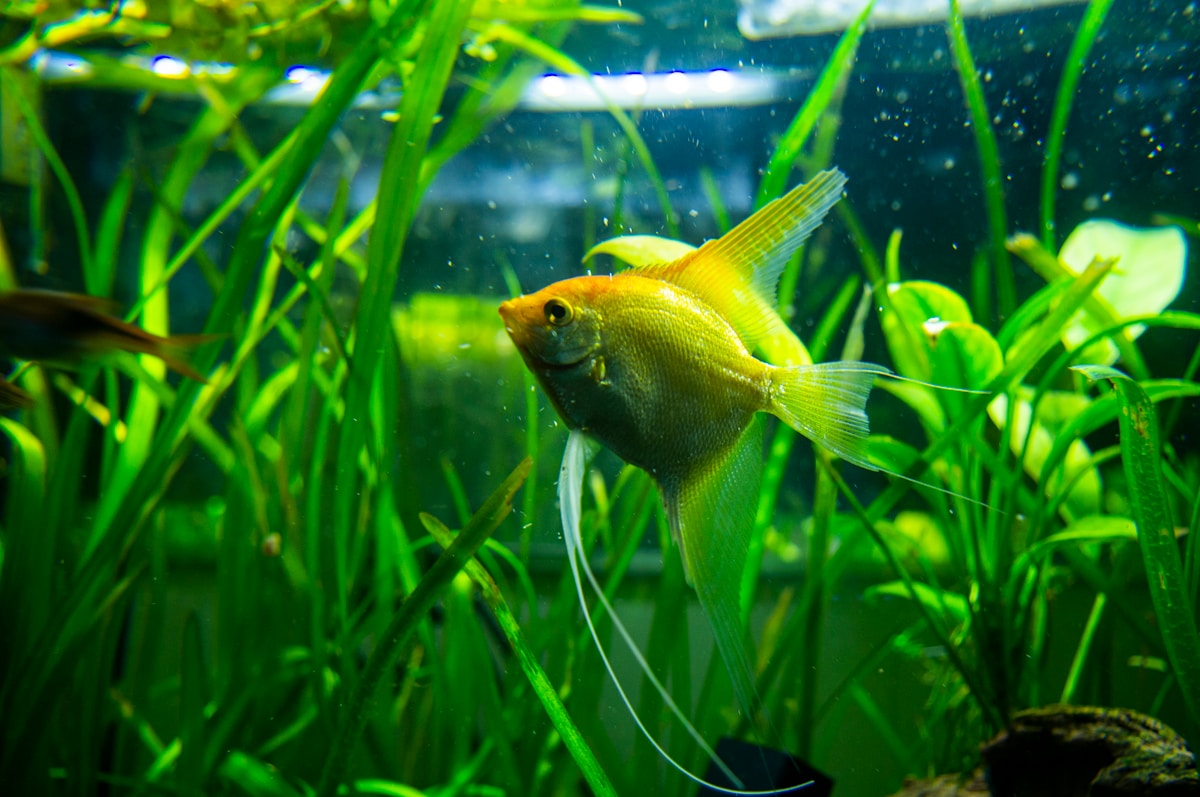
Starting your first aquaponics system requires a fish tank, a grow bed, a pump, grow media, and 3–6 weeks of cycling before adding fish and plants together. Success comes from starting small, testing water consistently, and avoiding the common mistake of overstocking too soon.
What do you need to start an aquaponics system?
Before buying anything, understand the core components and why each exists. You do not need expensive commercial equipment to start — many successful beginner systems are built from repurposed materials.
Essential components:
| Component | Purpose | Budget Option | Mid-Range Option |
|---|---|---|---|
| Fish tank | Houses fish, holds water | IBC tote, stock tank, 55-gal barrel | Glass aquarium, HDPE tank |
| Grow bed | Holds media and plants | Plastic storage bin, half barrel | Purpose-built flood tray |
| Grow media | Anchors roots, houses bacteria | River gravel, lava rock | Expanded clay pebbles (LECA) |
| Submersible pump | Moves water from fish tank to grow bed | Generic aquarium pump | Dedicated water pump (300–800 L/hr) |
| Air pump + airstone | Oxygenates fish tank | Aquarium air pump | Larger diaphragm pump |
| Test kit | Monitors water chemistry | API liquid test kit | Electronic meters + liquid backup |
| Fish food | High-quality floating pellets | Generic fish pellets | Species-specific pellets |
What you do NOT need to start:
- Expensive sensors or automated controllers
- A greenhouse (though helpful in cold climates)
- Commercial-grade filtration
- Expensive fish (start with goldfish)
Realistic startup cost for a beginner system (60–200 litres): $100–$300 USD using new materials, less if sourcing used components.
How do you cycle a new aquaponics system?
Cycling is the process of establishing your beneficial bacteria colony before fish are stressed by the ammonia and nitrite spikes that occur in a new system. This is the most important thing beginners learn.
Step 1 — Fill and dechlorinate. Fill your system with tap water. Add sodium thiosulphate (or let water sit 24 hours in open air) to neutralise chlorine. Test your starting pH and adjust to 7.0–7.5 if needed.
Step 2 — Add ammonia. Use pure ammonia drops (no surfactants — check the label), a daily addition of fish food that breaks down, or a small amount of urine. Dose to approximately 2–4 mg/L of ammonia.
Step 3 — Run pump and airstone continuously. Keep your system running 24/7. Oxygen is critical for the bacteria you are trying to grow.
Step 4 — Test every day. Record results in a notebook or spreadsheet. You are looking for ammonia to peak and decline as Nitrosomonas bacteria establish, followed by nitrite rising and then declining as Nitrospira bacteria establish.
Step 5 — Confirm the cycle is complete. When you dose ammonia to 2 mg/L and it drops to near-zero within 24 hours, with nitrite also near-zero, your system is cycled. This typically takes 4–6 weeks from scratch.
Step 6 — Add fish and plants. Start with 25–50% of your target stocking density. You can add plants immediately — in fact, adding fast-growing seedlings during the tail end of cycling helps consume nitrate.
What fish and plants should beginners start with?
Your first fish and plant choices should prioritise hardiness over preference.
Best starter fish — goldfish. Goldfish are nearly indestructible, universally available, inexpensive to replace if something goes wrong, and excellent waste producers. Start with 5–8 feeder goldfish in a 60–100 litre system. If your first attempt cycles perfectly and the fish thrive for 2–3 months, you have the confidence to try tilapia or other edible species in your next system.
Best starter plants:
- Lettuce — fastest results, forgiving, visible growth within 2 weeks
- Basil — thrives in aquaponics, high value per plant, great for learning transplanting
- Spinach — cold tolerant, fast growing, nutrient dense
- Mint — nearly impossible to kill, great for beginners; contain it in its own net cup as it spreads aggressively
Start plants from seedlings rather than seed for your first cycle. Seedlings give you visible plants while your system is still stabilising. Wash all soil off seedling roots before placing them in your system — soil introduces pathogens and clogs your media bed.
What are the most common beginner mistakes in aquaponics?
Learning from others' mistakes shortens your learning curve significantly.
Mistake 1: Overstocking early. Adding too many fish before your biofilter has established enough bacteria is the single most common crash point. The bacteria colony grows to match your fish load — you cannot rush this. Stock at 25–50% of your final intended density in the first 2 months.
Mistake 2: Overfeeding. Uneaten food decays and spikes ammonia. Feed only what fish consume within 5 minutes, twice daily. Remove any uneaten food after 10 minutes.
Mistake 3: Not testing water. Guessing at water quality leads to preventable fish deaths and plant deficiencies. Commit to testing ammonia, nitrite, and pH every 2–3 days for the first 3 months.
Mistake 4: Using chlorinated tap water without treatment. Chlorine kills your bacteria colony. Always dechlorinate before adding water. This includes top-up water to replace evaporation.
Mistake 5: Treating fish with standard aquarium medications. Most fish medications (particularly antibiotics and copper-based treatments) kill nitrifying bacteria, crashing your cycle. In aquaponics, the cure for most fish diseases is improving water quality rather than chemical treatment. Research aquaponics-safe treatments before adding anything to your system.
Mistake 6: Starting too large. A 200-litre system with multiple grow beds is harder to balance than a simple 60-litre starter system. Learn the fundamentals on a small scale before expanding.
Frequently Asked Questions
How long does it take to grow food in an aquaponics system?
Do I need a license or permit to raise fish at home for aquaponics?
What is the biggest mistake to avoid when starting your first aquaponics system?
Some links in this article are affiliate links. If you purchase through them, we may earn a small commission — at no extra cost to you.
 Fritz Aquatics FritzZyme 7 Live Nitrifying Bacteria (Freshwater)
 API Freshwater Master Test Kit (800 Tests — pH, Ammonia, Nitrite, Nitrate)
 Inkbird ITC-308S Aquarium Temperature Controller (Dual-Outlet Thermostat)
 Lettuce Grow Farmstand (12-site)
 Back to the Roots Water GardenAPI Freshwater Master Test Kit (800 Tests — pH, Ammonia, Nitrite, Nitrate)Fritz Aquatics FritzZyme 7 Live Nitrifying Bacteria (Freshwater)Lettuce Grow Farmstand (12-site)Inkbird ITC-308S Aquarium Temperature Controller (Dual-Outlet Thermostat)