Quick Answer
The most effective fish health strategy in aquaponics is prevention through excellent water quality. Most fish diseases are triggered by stress from poor water parameters, overcrowding, or temperature extremes — not random infection. Identify and fix the root cause, not just the symptoms. --- What are the most common fish diseases in aquaponics? Fish disease in aquaponics almost always traces…
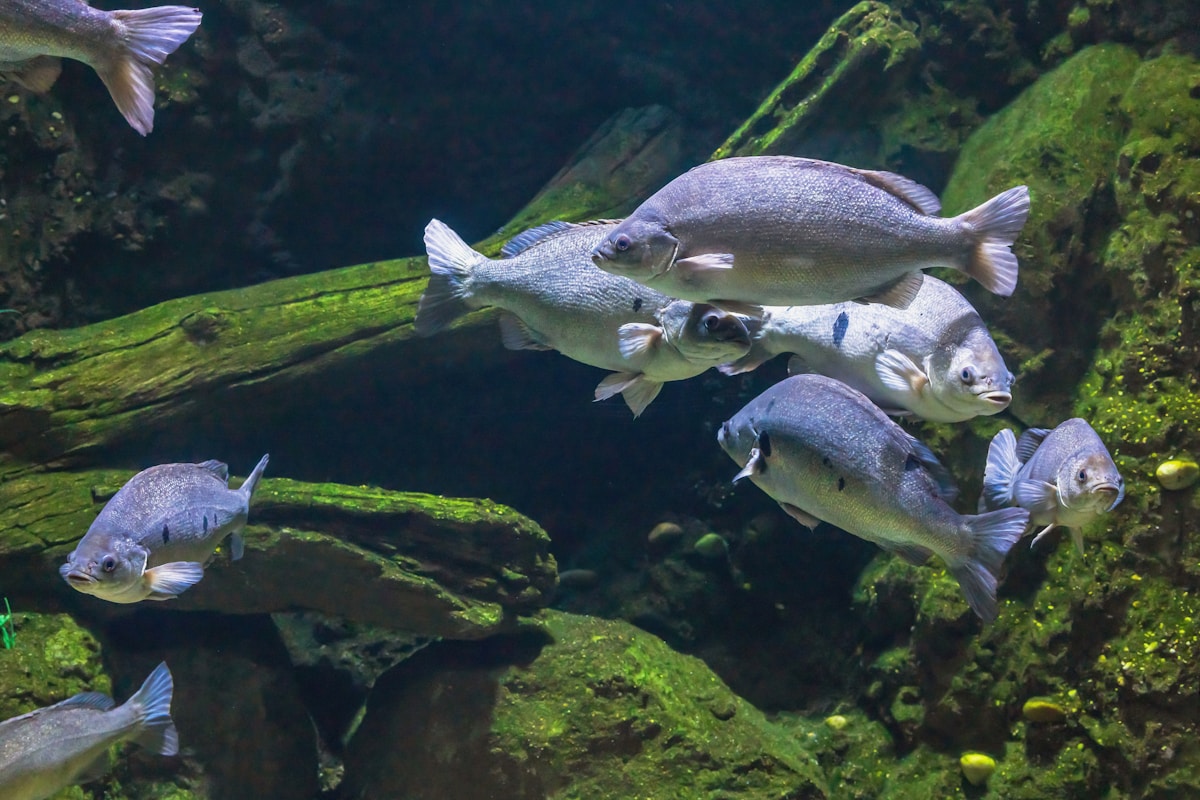
The most effective fish health strategy in aquaponics is prevention through excellent water quality. Most fish diseases are triggered by stress from poor water parameters, overcrowding, or temperature extremes — not random infection. Identify and fix the root cause, not just the symptoms.
What are the most common fish diseases in aquaponics?
Fish disease in aquaponics almost always traces back to a water quality problem or a stress event that suppressed the fish's immune system. Understanding the most common diseases and their triggers helps you respond quickly and prevent spread.
Ich (Ichthyophthirius multifiliis)
Ich is the most common fish disease in any aquatic system. It appears as small white spots resembling grains of salt on the fish's body and fins. Affected fish often rub against tank surfaces (flashing) and breathe rapidly.
Ich is a protozoan parasite that takes advantage of stressed, immunocompromised fish. It is almost always present in aquatic environments but only causes visible infection when fish are weakened. Triggers include sudden temperature drops, transport stress, or ammonia exposure.
Treatment without chemicals: Gradually raise water temperature to 30°C (86°F) for 10 days. The ich parasite cannot complete its life cycle above 30°C and dies. This approach is safe for most warm-water fish and does not harm your biofilter. Do not use standard ich medications (malachite green, formalin) — they harm your bacteria and can contaminate edible crops.
Fin Rot
Fin rot presents as fraying, discolouration, or tissue loss along the edges of fins. In advanced cases, fins erode to the body. It is caused by opportunistic bacteria (commonly Aeromonas or Pseudomonas) that infect fin tissue damaged by poor water quality, injury, or fish biting each other.
Treatment: Improve water quality immediately — fin rot cannot progress in clean, well-oxygenated water. Separate aggressive tankmates if fin damage is from nipping. For severe cases, salt treatment (1–3 g/L of non-iodized salt) supports osmotic regulation and has mild antibacterial effect without harming your biofilter bacteria.
Dropsy
Dropsy is identified by pinecone-like scale protrusion (scales standing out from the body), a swollen or bloated abdomen, and often bulging eyes. It is a symptom of systemic organ failure — usually kidney failure — rather than a single disease. It is caused by a bacterial infection (Aeromonas hydrophila most commonly) that typically only succeeds in fish already compromised by stress or disease.
Dropsy is serious. Most fish with advanced dropsy do not recover. Euthanize severely affected fish humanely (clove oil solution) and remove them immediately to prevent the bacteria from spreading. For mildly affected fish, improving water quality and isolation may allow recovery.
How does water quality prevent fish disease?
The link between water quality and fish health is direct and well-established. Fish maintain their immune function through a constant exchange between their bodies and surrounding water. When that water is out of specification, fish divert energy from immunity to homeostasis — leaving them vulnerable.
Ammonia and nitrite are immunosuppressants. Even sub-lethal exposures to ammonia (0.5–1.0 mg/L) and nitrite suppress white blood cell production in fish, reducing their ability to fight infection. This is why disease outbreaks in aquaponics almost always follow a water quality event.
Temperature stress opens disease windows. Most fish pathogens have optimal growth temperatures that match fish thermal preference. When you expose fish to temperatures outside their comfort zone — even temporarily — their immune systems slow while pathogens remain active.
Dissolved oxygen and disease: Low DO (below 4 mg/L) stresses fish physically and reduces their capacity to heal from any infection or injury.
Practical prevention checklist:
- Test ammonia and nitrite every 2–3 days; act on any reading above 0.5 mg/L
- Maintain DO above 6 mg/L with continuous aeration
- Avoid temperature swings greater than 2°C in 24 hours
- Do not overstock beyond 20 kg/1,000 L
- Remove dead fish immediately — decomposing fish spike ammonia and spread pathogens
- Never introduce new fish directly into your main tank
How do you quarantine fish in an aquaponics system?
Quarantine is the single most effective disease prevention tool available. New fish — no matter how healthy they appear — may carry parasites, bacteria, or viruses that could devastate your established system.
Quarantine setup: A separate container of 20–50 litres (a spare aquarium, storage bin, or bucket) with its own small air pump and airstone. Do not connect it to your main system in any way.
Quarantine protocol:
- Place new fish in the quarantine container for 2–4 weeks
- Observe daily for any disease signs (white spots, fin damage, unusual behaviour, lethargy)
- Feed normally and test ammonia every 2–3 days; do small water changes as needed
- If fish show disease signs, treat in quarantine and extend the quarantine period
- If fish are healthy after 4 weeks, transfer to main system
Also quarantine: Any equipment, plants, or snails from another water system. Plants can harbour parasites on their roots. Rinse all plants in diluted hydrogen peroxide solution (2–3 mL of 3% H₂O₂ per litre of water) for 5 minutes before introducing them to your system.
What treatments are safe to use in an aquaponics system?
The challenge with treating disease in aquaponics is that your fish and bacteria share the same water. Treatments that are standard in aquaria can be catastrophic in aquaponics.
Safe treatments:
- Salt (non-iodized NaCl): 1–3 g/L for stress relief, osmoregulation support, and mild antibacterial effect. Safe for plants at low concentrations. Not appropriate for salt-sensitive plants above 1 g/L.
- Heat treatment: Raising temperature to 30°C eliminates ich and many bacterial pathogens without chemical risk.
- Hydrogen peroxide (food-grade): Very dilute solutions treat external fungal infections and surface wounds. Use cautiously — excess kills bacteria.
- Potassium permanganate: Can treat external parasites and bacterial infections but must be removed by dechlorinator before returning fish to the system.
Unsafe in aquaponics (harm your biofilter):
- Antibiotics (tetracycline, erythromycin) — kill nitrifying bacteria
- Copper sulfate and copper-based treatments — toxic to bacteria and plants
- Formalin and malachite green — toxic to biofilter
- Most standard aquarium disease treatments without specific research into biofilter safety
When in doubt, isolate the affected fish in a separate container, treat there, and focus on water quality improvement in the main system.
Frequently Asked Questions
My fish are gasping at the surface — is this a disease?
Can I use aquarium medication to treat sick fish in my aquaponics system?
How do I humanely euthanize a severely ill fish?
Some links in this article are affiliate links. If you purchase through them, we may earn a small commission — at no extra cost to you.
 Fritz Aquatics FritzZyme 7 Live Nitrifying Bacteria (Freshwater)
 Lettuce Grow Farmstand (12-site)
 Inkbird ITC-308S Aquarium Temperature Controller (Dual-Outlet Thermostat)
 API Freshwater Master Test Kit (800 Tests — pH, Ammonia, Nitrite, Nitrate)Fritz Aquatics FritzZyme 7 Live Nitrifying Bacteria (Freshwater)Inkbird ITC-308S Aquarium Temperature Controller (Dual-Outlet Thermostat)
 AquaBundance IBC Tote Aquaponics System (1 Grow Bed, 200-Gal Tank)API Freshwater Master Test Kit (800 Tests — pH, Ammonia, Nitrite, Nitrate)Fritz Aquatics FritzZyme 7 Live Nitrifying Bacteria (Freshwater)