Quick Answer
In aquaponics, fish waste produces ammonia, which beneficial bacteria convert first into nitrite, then into nitrate — a plant-safe nutrient. This biological loop, called the nitrogen cycle, is the engine that makes aquaponics self-sustaining. --- What is the nitrogen cycle in aquaponics? The nitrogen cycle is the biological process that transforms fish waste into plant food. Fish excrete ammonia through…
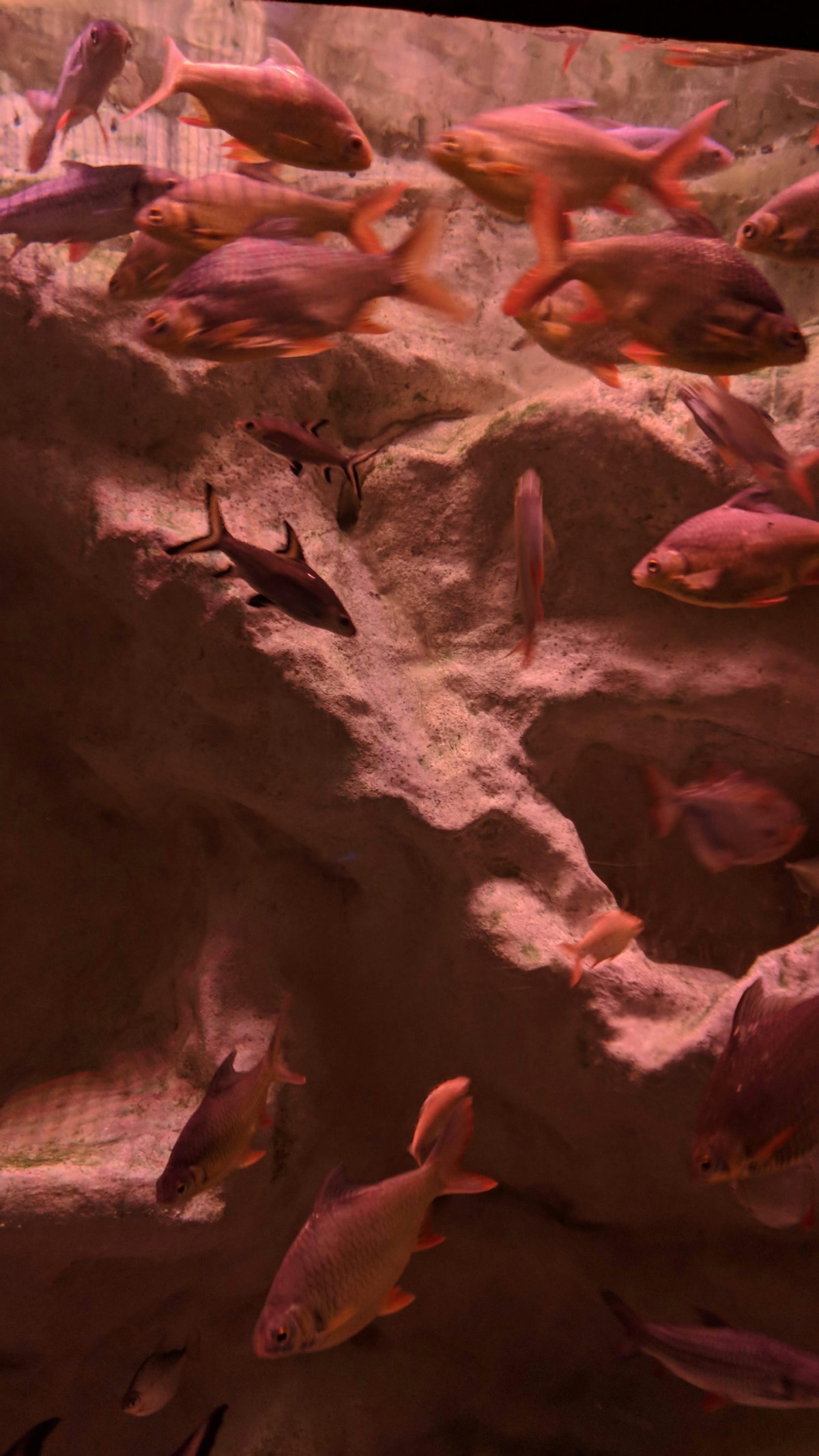
In aquaponics, fish waste produces ammonia, which beneficial bacteria convert first into nitrite, then into nitrate — a plant-safe nutrient. This biological loop, called the nitrogen cycle, is the engine that makes aquaponics self-sustaining.
What is the nitrogen cycle in aquaponics?
The nitrogen cycle is the biological process that transforms fish waste into plant food. Fish excrete ammonia through their gills and in their urine. Left unchecked, ammonia is lethal to fish at concentrations above 0.5 mg/L. The nitrogen cycle solves this problem by using two groups of bacteria.
The first group, Nitrosomonas bacteria, colonise the surfaces of your grow media, tank walls, and pipes. They consume ammonia (NH₃) and convert it into nitrite (NO₂⁻). Nitrite is actually more toxic to fish than ammonia — even 0.25 mg/L can stress most species. The second group, Nitrospira bacteria, then convert nitrite into nitrate (NO₃⁻), which is far less harmful to fish and is the primary nitrogen nutrient that plants uptake through their roots.
The result is a closed-loop system: fish feed the bacteria, bacteria detoxify the water, and plants consume the detoxified water while simultaneously cleaning it for the fish.
What happens during the ammonia, nitrite, and nitrate cycle stages?
Understanding the three stages helps you interpret your water test results and know whether your system is healthy.
Stage 1 — Ammonia spike. When you first add fish (or ammonia from another source), you will see ammonia levels rise. This is normal. Nitrosomonas bacteria begin colonising and multiplying. Ammonia should peak and then decline as the bacterial colony grows large enough to process it.
Stage 2 — Nitrite spike. As Nitrosomonas bacteria multiply and process ammonia efficiently, nitrite begins to accumulate. This is often the most dangerous phase for fish. You may need to do partial water changes to keep nitrite below 1 mg/L during this period.
Stage 3 — Nitrate presence. When you see ammonia near zero, nitrite near zero, and a measurable nitrate level, your system is fully cycled. Nitrate will continue to build unless plants consume it or you perform occasional water changes.
| Parameter | Uncycled System | Cycling in Progress | Fully Cycled |
|---|---|---|---|
| Ammonia | Rising | Declining | < 0.5 mg/L |
| Nitrite | 0 | Rising then declining | < 0.5 mg/L |
| Nitrate | 0 | 0–5 mg/L | 5–40 mg/L |
How long does cycling a new aquaponics system take?
Most systems take 3 to 6 weeks to fully cycle, depending on water temperature, the source of your bacteria, and how you manage the process.
Fishless cycling is the recommended method for beginners. You add a source of ammonia — pure ammonia drops, fish food that decays, or a small amount of urine — without adding fish. This lets you run the cycle aggressively without risking fish health. You dose ammonia to 2–4 mg/L daily and monitor the cycle until both ammonia and nitrite read near zero within 24 hours of dosing. This typically takes 4–6 weeks.
Fish-in cycling places fish in the system from day one. This is riskier because fish are subjected to ammonia and nitrite spikes. If you choose this route, stock at 25–50% of your final intended density, feed sparingly, test water every 1–2 days, and perform water changes whenever ammonia or nitrite exceeds 1 mg/L.
Using a seeded source can dramatically shorten cycling time. Adding a cup of established media from a healthy aquaponics or aquarium system introduces a large colony of beneficial bacteria. Some operators report cycling in under 2 weeks using this method. Aquarium store filter media or sponges can also serve as a seed source.
Temperature matters significantly: bacteria thrive at 25–30°C (77–86°F). In cold conditions below 18°C (64°F), cycling can stall. If your setup is in a cool environment, consider a submersible heater during the cycling phase.
How do you test water during the nitrogen cycle?
Accurate water testing is non-negotiable during cycling and routine operation. There are two main testing methods.
Liquid test kits (such as the API Freshwater Master Test Kit) are more accurate than test strips and are the standard recommendation for aquaponics. They test ammonia, nitrite, nitrate, and pH. Test daily during cycling, then every 2–3 days once your system is established.
Digital meters work well for pH and dissolved oxygen but cannot measure ammonia or nitrite reliably. Use a digital meter alongside liquid test kits rather than as a replacement.
What to look for at each stage:
- During cycling: expect elevated ammonia (1–4 mg/L) and then elevated nitrite (1–5 mg/L) before both drop to near-zero
- In an established system: ammonia and nitrite should remain below 0.5 mg/L; nitrate between 5–40 mg/L; pH between 6.8–7.2
Keep a log of your test results. Sudden spikes in ammonia in an established system indicate overfeeding, a dead fish, or a bacterial die-off from a chemical contamination event (such as soap residue on equipment).
Frequently Asked Questions
Can I speed up the nitrogen cycle in my aquaponics system?
Why are my ammonia levels not dropping even after several weeks?
Do I need to do water changes in an established aquaponics system?
Some links in this article are affiliate links. If you purchase through them, we may earn a small commission — at no extra cost to you.
 Lettuce Grow Farmstand (12-site)
 Back to the Roots Water Garden
 API Freshwater Master Test Kit (800 Tests — pH, Ammonia, Nitrite, Nitrate)
 Fritz Aquatics FritzZyme 7 Live Nitrifying Bacteria (Freshwater)Lettuce Grow Farmstand (12-site)
 Inkbird ITC-308S Aquarium Temperature Controller (Dual-Outlet Thermostat)API Freshwater Master Test Kit (800 Tests — pH, Ammonia, Nitrite, Nitrate)Fritz Aquatics FritzZyme 7 Live Nitrifying Bacteria (Freshwater)Inkbird ITC-308S Aquarium Temperature Controller (Dual-Outlet Thermostat)