Quick Answer
You do not need a backyard to grow food with aquaponics. IBC tote systems, 55-gallon drum splits, repurposed aquariums, and compact desktop kits all work in apartments and small spaces — starting as small as a 40-litre fish tank with a countertop grow tray. --- What is the smallest viable aquaponics set-up for an apartment? The practical minimum for a…
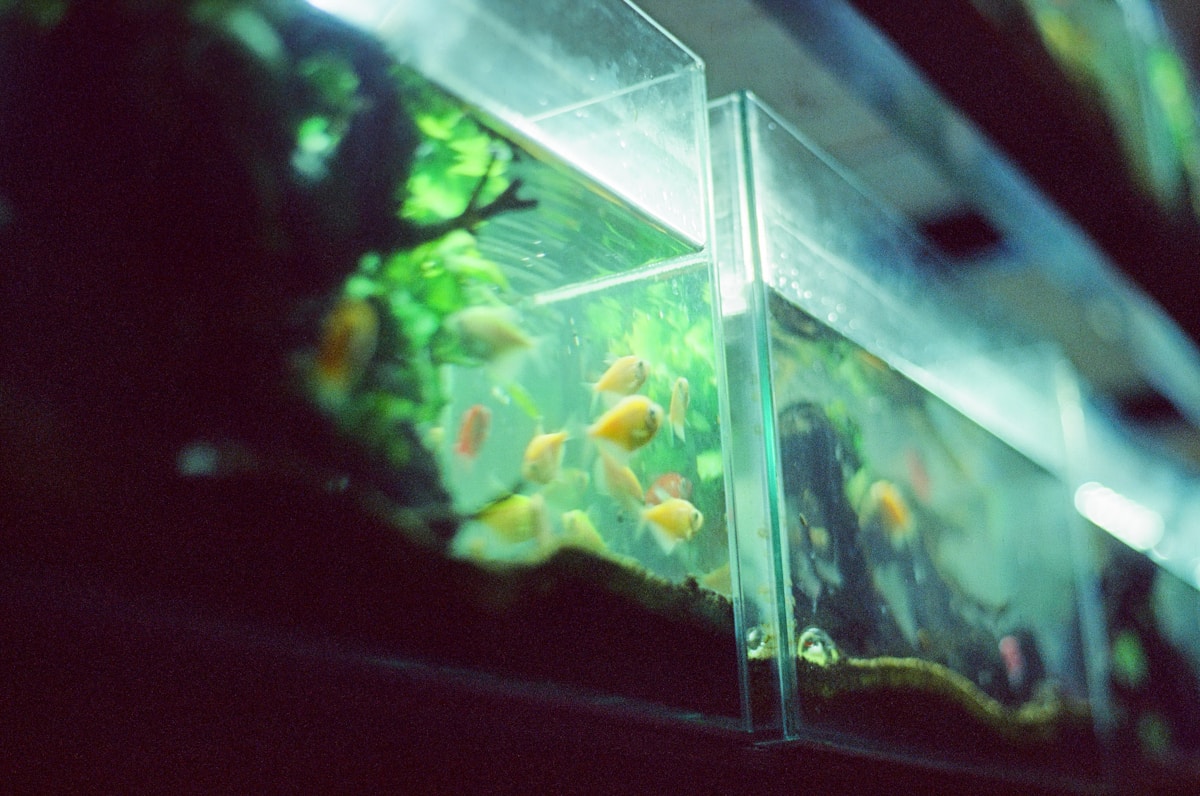
You do not need a backyard to grow food with aquaponics. IBC tote systems, 55-gallon drum splits, repurposed aquariums, and compact desktop kits all work in apartments and small spaces — starting as small as a 40-litre fish tank with a countertop grow tray.
What is the smallest viable aquaponics set-up for an apartment?
The practical minimum for a functional aquaponics system is a fish tank of at least 40–60 litres paired with a grow tray of comparable or larger volume. Below this size, water chemistry fluctuates too rapidly — a single missed feeding or small temperature swing can spike ammonia before you have time to respond.
Desktop aquaponics kits (commercial products like Back to the Roots Water Garden or AquaSprouts Garden) are sold for 10–40 litre aquariums. These are engaging and educational but produce only small amounts of herbs or microgreens. Think of them as proof-of-concept set-ups rather than meaningful food producers.
The entry-level productive system for apartment growers is a 60–120 litre fish tank (approximately a 30-gallon aquarium) with a grow tray of at least 0.25 m². This system, stocked with 6–10 goldfish or 4–6 tilapia fingerlings, can grow 6–12 lettuce heads simultaneously on a 4–5 week harvest cycle, plus a continuous supply of herbs.
Space footprint: A 120-litre system with a top-mounted grow tray fits in roughly 90 cm × 45 cm of floor space. It can sit on a sturdy table or workbench near a window or under grow lights.
Weight consideration: Water weighs 1 kg per litre. A full 120-litre system with media will weigh 200–250 kg total. Verify that your floor or furniture can support this weight before building.
How do you build a 55-gallon drum aquaponics system?
The 55-gallon (approximately 200-litre) drum system is a popular low-cost option for apartment patios, garages, and small outdoor spaces. The original "barrel-ponics" design by Travis Hughey popularized this approach and the plans are freely available online.
Basic components:
- One 55-gallon (200 L) food-grade barrel, cut horizontally — the bottom ~60% becomes the fish tank, the top ~40% becomes a media grow bed placed upside-down on top
- OR two barrels: one intact for the fish tank, one cut vertically into two half-round troughs for grow beds placed beside the tank
- Small submersible pump (300–500 L/hour capacity)
- Bell siphon or simple timer for flood-drain cycling
- Expanded clay pebbles or gravel to fill the grow bed
- Air pump and air stone for dissolved oxygen
Estimated cost: $80–$150 USD in materials if you source a used food-grade barrel. Commercial barrel kits run $200–$400 assembled.
Production capacity: At full crop, a 55-gallon drum system can support 8–15 lettuce heads, multiple herb plants, and 8–12 goldfish or 6–8 tilapia. Enough for a meaningful supplement to household salad consumption.
Important: Use only food-grade barrels. Barrels previously used for chemicals, pesticides, or petroleum products cannot be safely cleaned for food production. Barrels that held food-grade liquids (juice concentrate, olive oil, soap) are the safest choices.
How do IBC tote aquaponics systems work in small spaces?
IBC (Intermediate Bulk Container) totes are 1,000-litre (275-gallon) plastic containers in a metal cage frame. The standard aquaponics IBC design cuts the tote horizontally: the lower portion (roughly 600–700 litres) becomes the fish tank, the cut-off upper portion (inverted) becomes the grow bed above.
While 1,000 litres may sound large, an IBC tote system's footprint is just 100 cm × 120 cm — smaller than a standard dining table. The vertical stacking means productive growing area per square metre of floor space is very high.
IBC tote advantages for small spaces:
- Very stable water chemistry due to large water volume (harder to accidentally crash)
- High production capacity — 20–30 lettuce heads at a time, plus fruiting crops
- Gravity-fed design requires only one pump
- IBC totes are widely available used from food and beverage industries for $50–$150
IBC tote limitations:
- Heavy — full system exceeds 1,200 kg; not suitable for upper-floor apartments
- Requires patio, balcony, garage, or ground-floor space
- Cutting and modifying the tote requires basic tools (angle grinder or reciprocating saw)
Ideal location: Ground-floor patio, backyard, garage, or covered outdoor area. With a greenhouse cover, IBC systems can operate year-round in temperate climates.
What lighting do indoor small-space aquaponics systems need?
If your apartment does not have a south-facing window with 6+ hours of direct light, artificial grow lighting is necessary for plant production. Most herbs and leafy greens need 12–16 hours of light per day.
LED grow lights are the standard for indoor aquaponics. Look for full-spectrum LED panels rated for the coverage area of your grow tray. For a 60 cm × 60 cm grow tray, a 45–100W LED panel is typically sufficient for leafy greens. Fruiting crops need higher light intensity — 200–400W panels or more.
Practical options for small systems:
- Clip-on LED grow lights ($15–$40) work well for desktop systems and single grow trays
- Bar-style LED grow lights mount above a tray and provide even coverage
- Quantum board LEDs are efficient for medium systems (60–120 cm grow trays)
Light positioning: Maintain 30–60 cm distance between the light and plant canopy for most LEDs. Monitor leaf colour — pale or stretching plants need more light; bleached or curled leaves indicate too much light or too much heat from the fixture.
Energy cost estimate: A 60W LED running 14 hours/day costs approximately $3–5 USD/month at average US electricity rates. Factor this into your operating cost calculations.
Frequently Asked Questions
Can I run an aquaponics system on an apartment balcony?
How much electricity does a small aquaponics system use?
What are the easiest plants to grow in a small apartment aquaponics system?
Some links in this article are affiliate links. If you purchase through them, we may earn a small commission — at no extra cost to you.
 Fritz Aquatics FritzZyme 7 Live Nitrifying Bacteria (Freshwater)
 API Freshwater Master Test Kit (800 Tests — pH, Ammonia, Nitrite, Nitrate)
 Inkbird ITC-308S Aquarium Temperature Controller (Dual-Outlet Thermostat)
 Lettuce Grow Farmstand (12-site)
 Back to the Roots Water GardenAPI Freshwater Master Test Kit (800 Tests — pH, Ammonia, Nitrite, Nitrate)Fritz Aquatics FritzZyme 7 Live Nitrifying Bacteria (Freshwater)Lettuce Grow Farmstand (12-site)Inkbird ITC-308S Aquarium Temperature Controller (Dual-Outlet Thermostat)