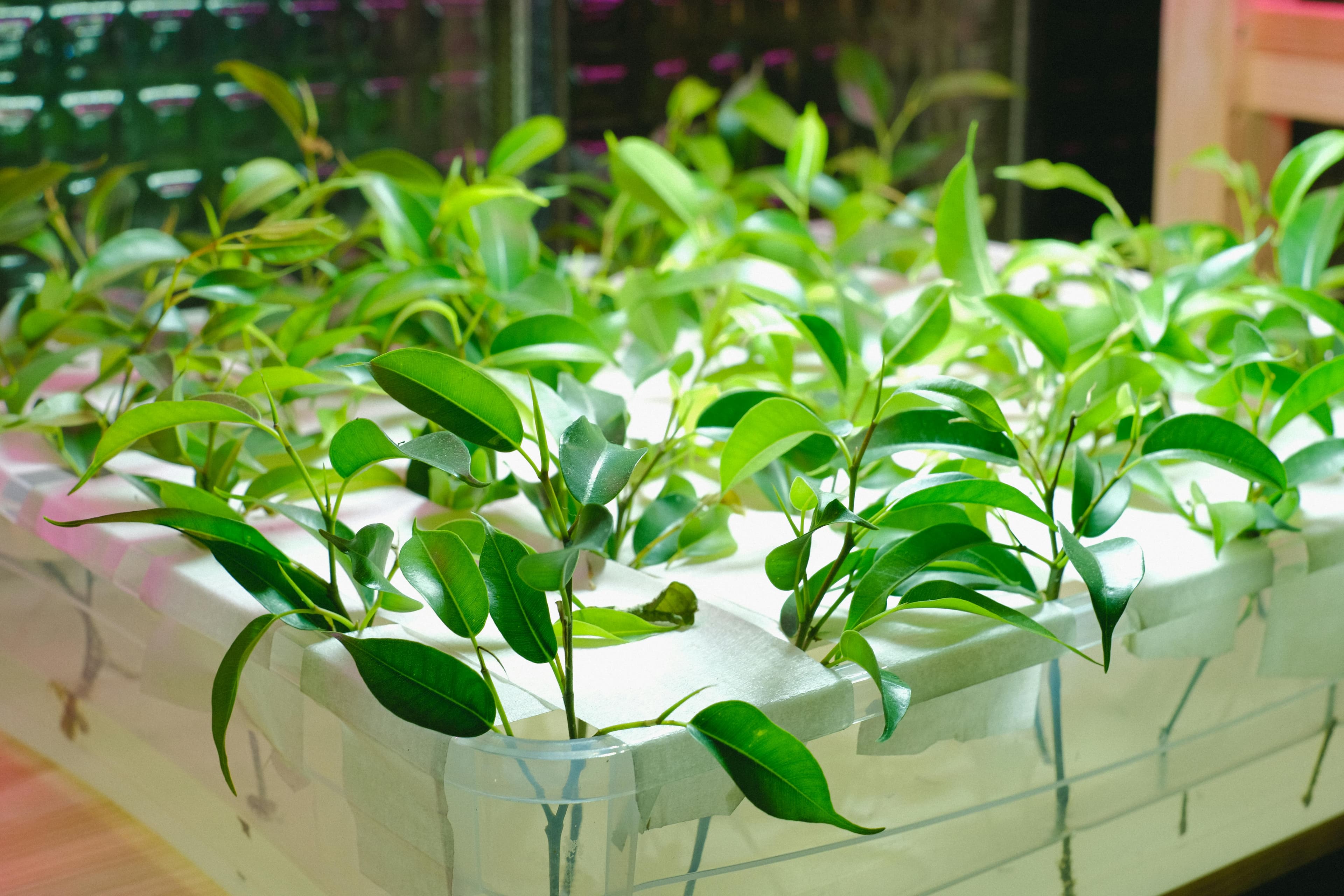
High-pressure aeroponics (HPA) operates at 80–100 PSI to produce ultra-fine 50-micron mist droplets that maximise oxygen and nutrient absorption, while low-pressure aeroponics (LPA) runs at 10–25 PSI with coarser 100–200-micron droplets using simpler, cheaper equipment.
What Is the Difference Between High-Pressure and Low-Pressure Aeroponics?
Aeroponics suspends plant roots in air and delivers nutrients via mist. The key variable that separates the two systems is operating pressure — and pressure determines everything from droplet size to root zone oxygen levels to hardware cost.
High-Pressure Aeroponics (HPA) uses a pump capable of sustaining 80–100 PSI (pounds per square inch). At these pressures, purpose-built misting nozzles atomise nutrient solution into droplets averaging 30–80 microns in diameter. These micron-sized droplets coat root surfaces in a thin film, maximising the surface area available for oxygen and nutrient uptake simultaneously.
Low-Pressure Aeroponics (LPA) uses standard pond or fountain pumps running at 10–25 PSI. Common spray heads or submersible misters produce droplets in the 100–200-micron range. The larger droplets deliver nutrients adequately but carry less dissolved oxygen than the ultra-fine HPA mist.
| Feature | High-Pressure (HPA) | Low-Pressure (LPA) |
|---|---|---|
| Operating pressure | 80–100 PSI | 10–25 PSI |
| Droplet size | 30–80 microns | 100–200 microns |
| Pump type | Diaphragm or piston pump | Pond / fountain pump |
| Relative cost | $200–$600+ | $30–$150 |
| Root oxygenation | Excellent | Good |
| Clog risk | Higher (fine nozzles) | Lower |
| Growth speed | Fastest | Fast |
How Do Pressure Specs Affect Droplet Size and Root Health?
Droplet size is not merely an engineering curiosity — it directly determines how roots absorb water, nutrients, and oxygen.
At 80–100 PSI, the shear force through a 0.3–0.5 mm nozzle orifice breaks the liquid into a true aerosol fog. These 30–80-micron droplets behave more like a gas than a liquid: they remain suspended, penetrate root hair structures, and evaporate rapidly, keeping the root chamber at high relative humidity (95–100 %) without waterlogging. The result is a root zone that is simultaneously saturated with nutrient film and rich in dissolved oxygen — the ideal condition for explosive vegetative growth.
At 10–25 PSI, droplets in the 100–200-micron range settle quickly due to gravity and surface tension. Roots still get wet and nutrient-coated, but a proportion of each spray cycle runs off as gravity drainage rather than adhering as a film. Root oxygen levels are lower because larger droplets carry less dissolved O₂ and the drainage effect can pool liquid near the stem base if chamber design is poor.
Practical takeaway: HPA's finer mist produces measurably faster root development in the first two weeks of growth, which translates to earlier harvests for fast-cycle crops like lettuce and herbs.
What Are the Pros and Cons of Each System?
High-Pressure Aeroponics
Pros:
- Fastest plant growth of any cultivation method — roots receive maximum oxygen
- Water efficiency: ultra-fine mist means less run-off and less total solution consumed
- Scalable: commercial installations use HPA because per-unit resource consumption drops as scale increases
- Cleaner root zone: fine mist disperses evenly, reducing wet spots that harbour pathogens
Cons:
- Cost: a reliable diaphragm pump (e.g., Aquatec, Shurflo) plus stainless nozzles costs $200–$600 for a basic home system
- Nozzle clogging: mineral scale and biofilm block 0.3 mm orifices within weeks without rigorous maintenance
- Complexity: requires timers, pressure regulators, accumulators, and check valves — more points of failure
- Pump noise: piston and diaphragm pumps are louder than submersible pond pumps
Low-Pressure Aeroponics
Pros:
- Inexpensive: a 600 GPH pond pump and basic spray heads cost under $50
- Beginner-friendly: fewer components, simpler plumbing, easier troubleshooting
- Lower maintenance: larger orifices clog far less frequently
- Quiet: submersible pumps run nearly silently
Cons:
- Growth rate is slower than HPA due to lower root oxygenation
- Higher water consumption relative to nutrient delivered
- Larger droplets can pool and raise root zone humidity unevenly
- Less efficient at scale — resource savings diminish compared to HPA
Which System Should You Choose?
The decision hinges on three variables: budget, crop type, and experience level.
Choose HPA if:
- You are growing commercially or semi-commercially and need maximum yield per square foot
- You are propagating cuttings — HPA produces roots on clones in 5–10 days, versus 10–18 days in LPA
- You have experience with hydroponic maintenance and are comfortable with regular nozzle cleaning
- Your crop has a short production cycle (lettuce, spinach, herbs) where the speed advantage compounds quickly
Choose LPA if:
- You are building a first aeroponic system and want to learn the fundamentals without a large upfront investment
- Your grow space is small (a single tower or cabinet) where absolute maximum growth speed is less important than reliability
- You want a quiet system in a living space
- You are growing slower-maturing crops (tomatoes, peppers) where the per-cycle speed advantage of HPA is smaller relative to the total crop timeline
Hybrid approach: Many intermediate growers run LPA for vegetative growth and switch cuttings to an HPA cloner. This captures HPA's main advantage (rapid rooting) while keeping operational costs manageable.