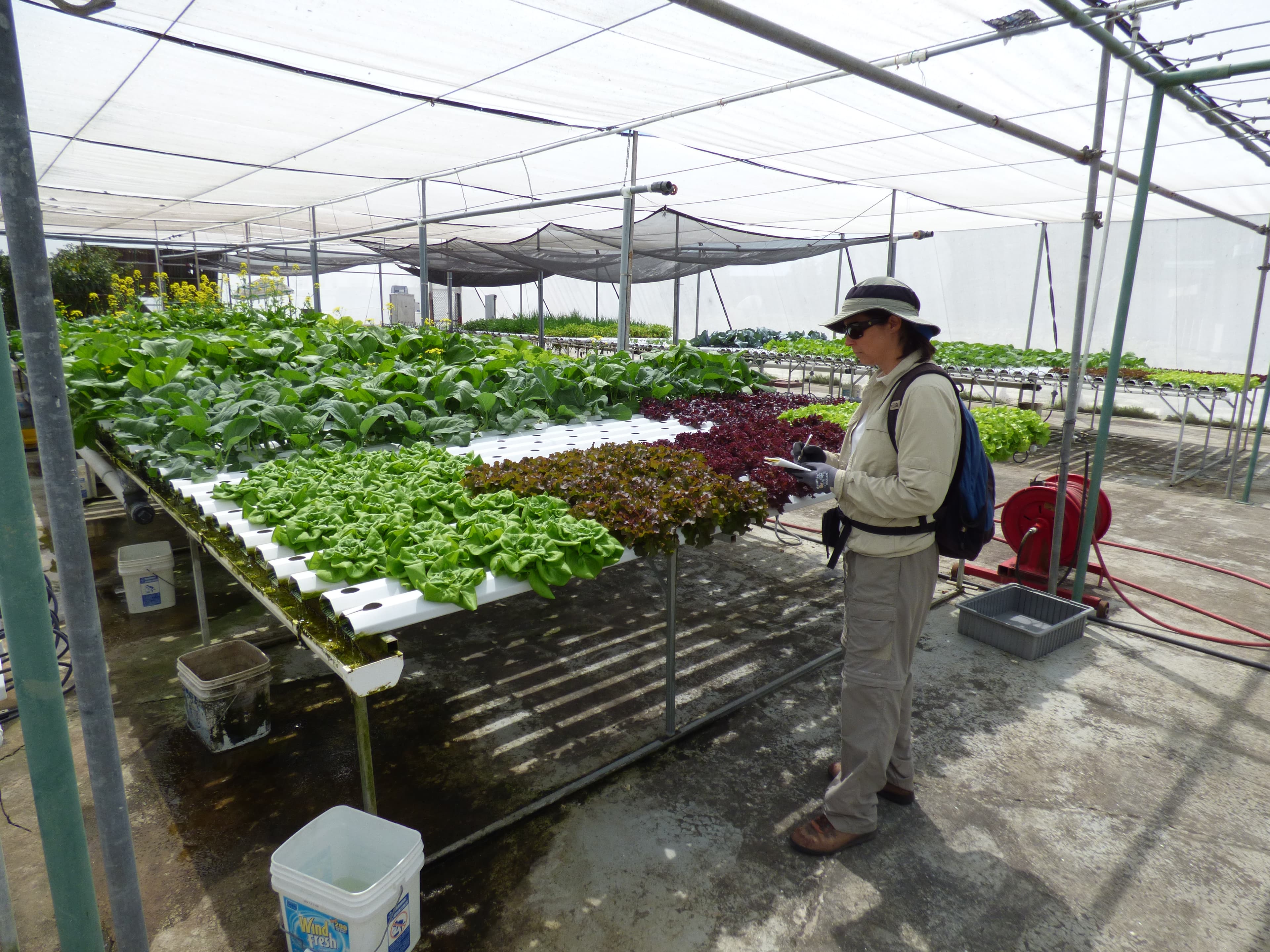
A 50 sq ft indoor grow space using vertical shelving can produce 10–15 lbs of leafy greens per month. Success depends on crop selection, efficient layout, and maximising vertical height rather than floor area.
How Do You Plan a Layout for a 50 Square Foot Grow Space?
Fifty square feet — roughly a 5×10 ft spare room, large closet, or section of a basement — is more than enough to supply a household with fresh greens year-round. The key is treating the space as a three-dimensional volume, not a flat floor plan.
Start by sketching the room to scale and identifying:
- Fixed obstacles: doors, vents, electrical panels, low beams
- Ceiling height: Every extra foot of ceiling height is growing potential. A standard 8 ft ceiling allows three 24-inch growing shelves plus headroom for lighting.
- Power access: Map existing outlets. Running extension cords across walkways is a safety hazard; plan your shelving around outlet locations.
- Water access: A utility sink or nearby bathroom dramatically simplifies watering and reservoir management.
A practical 5×10 layout:
- Two 4-shelf wire rack units (2 ft × 4 ft footprint each) along the long wall
- One 3-shelf unit on the short wall
- 3 ft centre aisle for movement and maintenance
- Dedicated corner for nutrients, tools, and seedling propagation
This configuration gives you roughly 80–100 sq ft of effective growing surface from 50 sq ft of floor space.
What Vertical Shelving Systems Work Best for Small Indoor Farms?
Wire rack shelving (NSF-certified commercial grade) is the standard choice. The open wire design allows light from the shelf above to pass partially downward and promotes airflow. Avoid solid-shelf systems — they block airflow and create humidity problems.
| Shelving Type | Cost (4-tier, 4 ft wide) | Max Load/Shelf | Best Use |
|---|---|---|---|
| NSF wire rack (chrome) | $60–100 | 400–600 lbs | General growing trays |
| NSF wire rack (epoxy) | $80–120 | 400–600 lbs | High-humidity environments |
| Heavy-duty steel shelving | $100–150 | 700+ lbs | Hydroponic reservoirs |
| Grow tent shelf kit | $40–60 | 100–200 lbs | Lightweight tray setups |
For hydroponic systems, ensure shelves can handle the combined weight of trays, growing media, and water. A 2×4 ft NFT tray system filled with water and plants can weigh 40–60 lbs.
Attach grow lights directly to the underside of each shelf using adjustable rope ratchets. This keeps the light-to-canopy distance consistent and allows easy adjustment as plants grow.
Which Crops Are Best Suited to Small Indoor Spaces?
Crop selection is the single biggest determinant of yield-per-square-foot. Focus on fast-cycling, compact, high-value crops.
Tier 1 — Best for small spaces:
| Crop | Days to Harvest | Yield per Tray (10×20") | Cycles per Month |
|---|---|---|---|
| Microgreens (radish) | 7–10 | 3–4 oz | 3 |
| Microgreens (sunflower) | 10–14 | 4–6 oz | 2 |
| Baby spinach | 25–35 | 6–8 oz | 1.5 |
| Lettuce (cut-and-come-again) | 28–35 | 8–12 oz | 1.5 |
| Herbs (basil, cilantro) | 30–40 | 4–6 oz | 1 |
Avoid in small spaces:
- Tomatoes, peppers, cucumbers — require tall trellising, large root volumes, and pollination management
- Corn, squash, root vegetables — poor space-to-yield ratio
- Fruit trees — impractical
Succession planting is essential. Stagger seeding by 7–10 days so you harvest continuously rather than all at once.
What Yields Can You Realistically Expect from 50 Square Feet?
Realistic expectations prevent disappointment and help justify the investment. Variables include crop choice, light intensity, hydroponic vs soil systems, and your experience level.
Conservative estimates for a well-set-up 50 sq ft space:
| Scenario | Monthly Yield | Estimated Retail Value |
|---|---|---|
| All microgreens (6 trays cycling) | 8–12 lbs | $120–180 |
| Mixed greens + herbs (3 shelves) | 10–15 lbs | $60–100 |
| Hydroponic lettuce (NFT) | 15–20 heads | $30–50 |
| Mixed crops (optimised) | 12–18 lbs | $100–160 |
Energy costs for a 50 sq ft setup with 400–600W of LED lighting run $25–45/month at average US electricity rates. Factor this into your value calculation.
After the first three months — the learning curve period — most growers with a well-designed 50 sq ft setup can reliably produce enough leafy greens to cover their household needs plus some surplus.