Quick Answer
This guide compares the best grow tents for indoor farming — covering AC Infinity, Vivosun, and Mars Hydro — with a complete size guide from 2×2 to 4×8 ft and evaluations of light-proofing, zipper quality, and build durability. --- What should you look for when buying a grow tent? A grow tent creates a controlled growing environment: it reflects light…
Some links in this article are affiliate links. If you purchase through them, we may earn a small commission — at no extra cost to you.
This guide compares the best grow tents for indoor farming — covering AC Infinity, Vivosun, and Mars Hydro — with a complete size guide from 2×2 to 4×8 ft and evaluations of light-proofing, zipper quality, and build durability.
What should you look for when buying a grow tent?
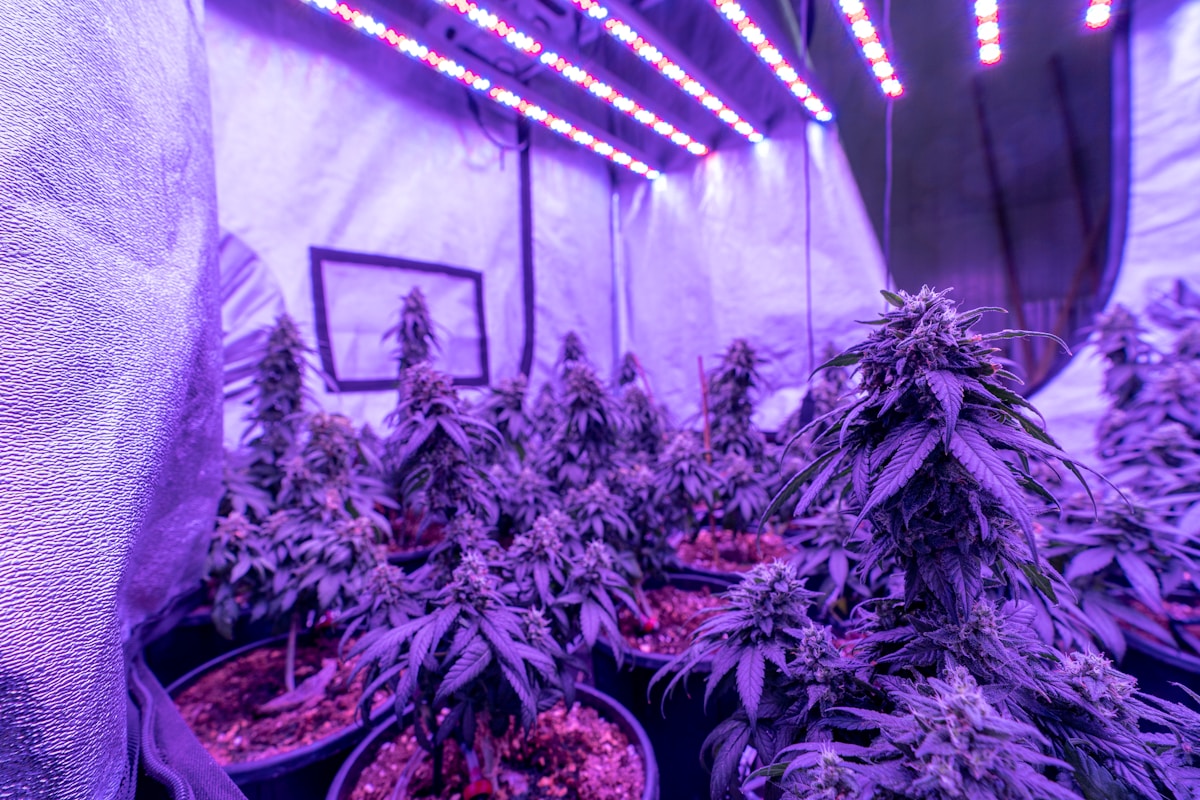
A grow tent creates a controlled growing environment: it reflects light back onto your plants (increasing efficiency), contains smell and humidity, and allows precise control of temperature and airflow. Not all tents are built equally, and the differences — particularly in zipper quality, light-proofing, and fabric weight — matter significantly for long-term use.
Fabric weight and light reflection. Tent fabric is measured in Oxford density (typically 600D, 1680D, or 2000D — D stands for denier). Higher denier means thicker, more durable fabric. The interior should be lined with highly reflective mylar (typically 95–98% reflectivity on quality tents). Cheap tents use lower-density fabric that tears more easily and mylar that delaminates over time.
Zipper quality. This is where budget tents most commonly fail. Cheap, thin zippers snag, jam, and eventually fail to seal, allowing light leaks that can disrupt plant photoperiod (critical for flowering plants like cannabis, certain herbs, and peppers). Look for heavy-duty, double-stitched zippers. AC Infinity and Mars Hydro tents have notably superior zippers to most budget options.
Light-proofing. A light-proof tent is critical for photoperiod-sensitive plants. To test light-proofing, enter a completely dark room, get inside the zipped tent, and wait 5 minutes for your eyes to adjust. You should see absolutely no light leaking through seams or corners. Cheap tents often have visible light leaks at seam corners, near zippers, or where pole connectors meet the fabric.
Frame and pole system. Metal poles should be thick enough not to bend under the weight of grow lights, fans, and carbon filters. A 4×4 tent loaded with a heavy LED fixture and a carbon filter/fan combo can put 30–50 lbs of hanging weight on the top crossbars. Check the frame's load rating.
Size selection. Match the tent size to your grow light coverage area and plant count. A 2×2 ft tent holds 1–4 plants (depending on training) and needs a 100–200W LED. A 4×4 ft tent holds 4–16 plants and needs 400–600W of LED. A 4×8 ft tent is a serious growing operation requiring 800W+ of LED and 6-inch duct fans.
What are the best grow tents in 2026?
| Product | Size Options | Fabric | Zipper Quality | Price Range | Best For | Rating |
|---|---|---|---|---|---|---|
| AC Infinity CLOUDLAB | 2×2 to 4×8 ft | 2000D | Premium | $130–$350 | Serious home growers wanting best build quality | 4.9/5 |
| Mars Hydro Grow Tent | 2×2 to 8×8 ft | 600D–1680D | Good | $60–$250 | Balanced quality and value | 4.7/5 |
| Vivosun Grow Tent | 2×2 to 10×10 ft | 600D | Adequate | $50–$200 | Beginners, budget-conscious growers | 4.4/5 |
| Spider Farmer Grow Tent | 2×2 to 5×10 ft | 1680D | Good | $70–$220 | Mid-range, good companion to Spider Farmer lights | 4.6/5 |
| iPower Budget Tent | 2×2 to 4×8 ft | 600D | Basic | $40–$130 | First-time growers on tight budgets | 3.8/5 |
AC Infinity CLOUDLAB is the premium option and the best grow tent you can buy under $400. The 2000D diamond-pattern mylar fabric is visually distinct and noticeably more durable than competitors. The mesh-reinforced observation windows, double-cinch cord locks, and heavy-duty zipper design address every common failure mode of budget tents. AC Infinity also makes excellent fan/filter systems that integrate well with CLOUDLAB tents. If you plan to grow seriously for years, this is the tent to buy once.
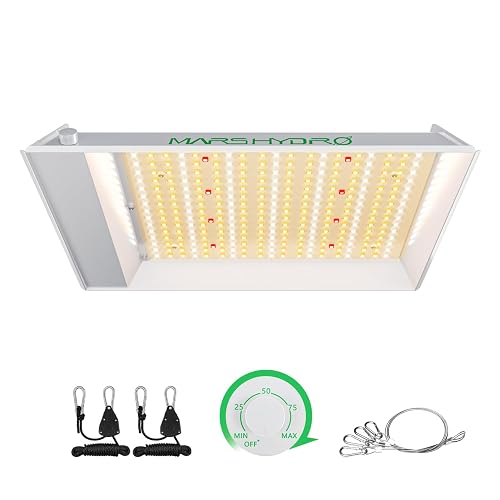
Mars Hydro Grow Tent offers a strong balance of quality and price. The 1680D fabric version is the recommended choice; the 600D version (available in some sizes) is adequate but less durable. Mars Hydro tents have well-reviewed zippers and solid frame construction. The brand's reputation in the grow light space extends to their tent line, and combined Mars Hydro light + tent bundles often represent good value.
Vivosun Grow Tent is the most widely sold beginner grow tent. The 600D fabric is on the lighter side, but the tents generally hold up adequately for 2–3 years of use with care. Vivosun's extensive size range (including some unusual configurations) and widely available replacement parts make it a practical choice for beginners. The zippers are the main weak point — avoid opening and closing them unnecessarily.
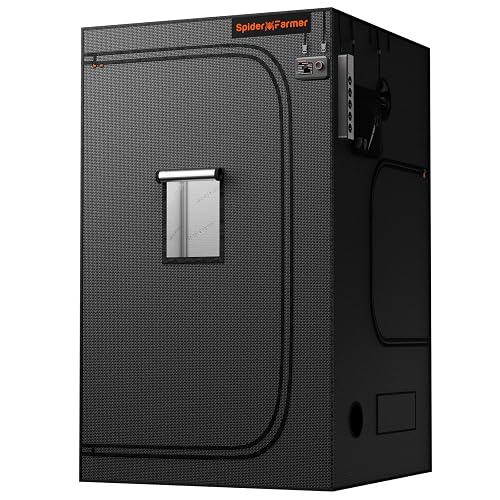
Spider Farmer tents use 1680D fabric and are sold alongside Spider Farmer's LED lights as complete indoor growing packages. A good choice if you are buying into the Spider Farmer ecosystem.
How do grow tents compare across sizes for different growing goals?
2×2 ft tent — The entry point. Suitable for 1–4 small plants, herb gardens, a single aeroponic unit, or a seedling propagation station. Needs a 100–200W LED. A good starter setup before committing to a larger investment. Pair with a 4-inch inline fan and carbon filter.
3×3 ft tent — A useful intermediate size that fits more plants than a 2×2 without the full commitment of a 4×4. Needs 200–400W of LED. Good for growing 4–9 plants or a combination of herbs and fruiting plants.
4×4 ft tent — The most popular size for serious home growers. Provides enough space for 9–16 plants in a Sea of Green setup, or 4–6 larger tomato or pepper plants. Needs 400–600W of LED. A 6-inch inline fan with carbon filter is recommended for odor control and heat management.
4×8 ft tent — Double the footprint of a 4×4, allowing a two-stage grow (one half for seedlings/veg, one half for flowering/fruiting). Requires 800W+ LED and a robust 6–8 inch ventilation system. This is a significant electrical and space commitment.
8×8 ft and larger — Semi-commercial scale. Rarely needed for home growing but relevant for serious hobby or small-scale commercial operations.
Are there budget grow tent options worth considering?
Yes. iPower and Vivosun tents in the $40–60 range are functional starting points for growers who want to try indoor growing before committing to premium equipment. If you outgrow the hobby or want to upgrade later, the initial investment is low.
The main budget strategy advice: do not compromise on the fan/filter system even if you buy a budget tent. Light leaks from a cheap tent are annoying but manageable; inadequate ventilation creates heat stress, high humidity, and mold problems that can destroy an entire crop. An AC Infinity CLOUDLINE T4 or T6 fan with a quality carbon filter is worth spending $100–150 on even if your tent cost $50.
For light-sensitive photoperiod plants (anything you need to flower on a specific schedule), invest in a better tent. The AC Infinity CLOUDLAB or Mars Hydro 1680D versions are worth the premium specifically for their superior light-proofing.