Quick Answer
Hydroponic tomatoes produce fruit 20–30% faster than soil-grown plants, with yields of 15–25 kg per plant in a full season. They need EC 2.0–3.5, active oxygenation, staking, and manual pollination indoors. First fruit arrives 70–90 days from transplant. --- What tomato varieties work best in soilless systems? Understanding the difference between indeterminate and determinate growth habits is the foundation of…
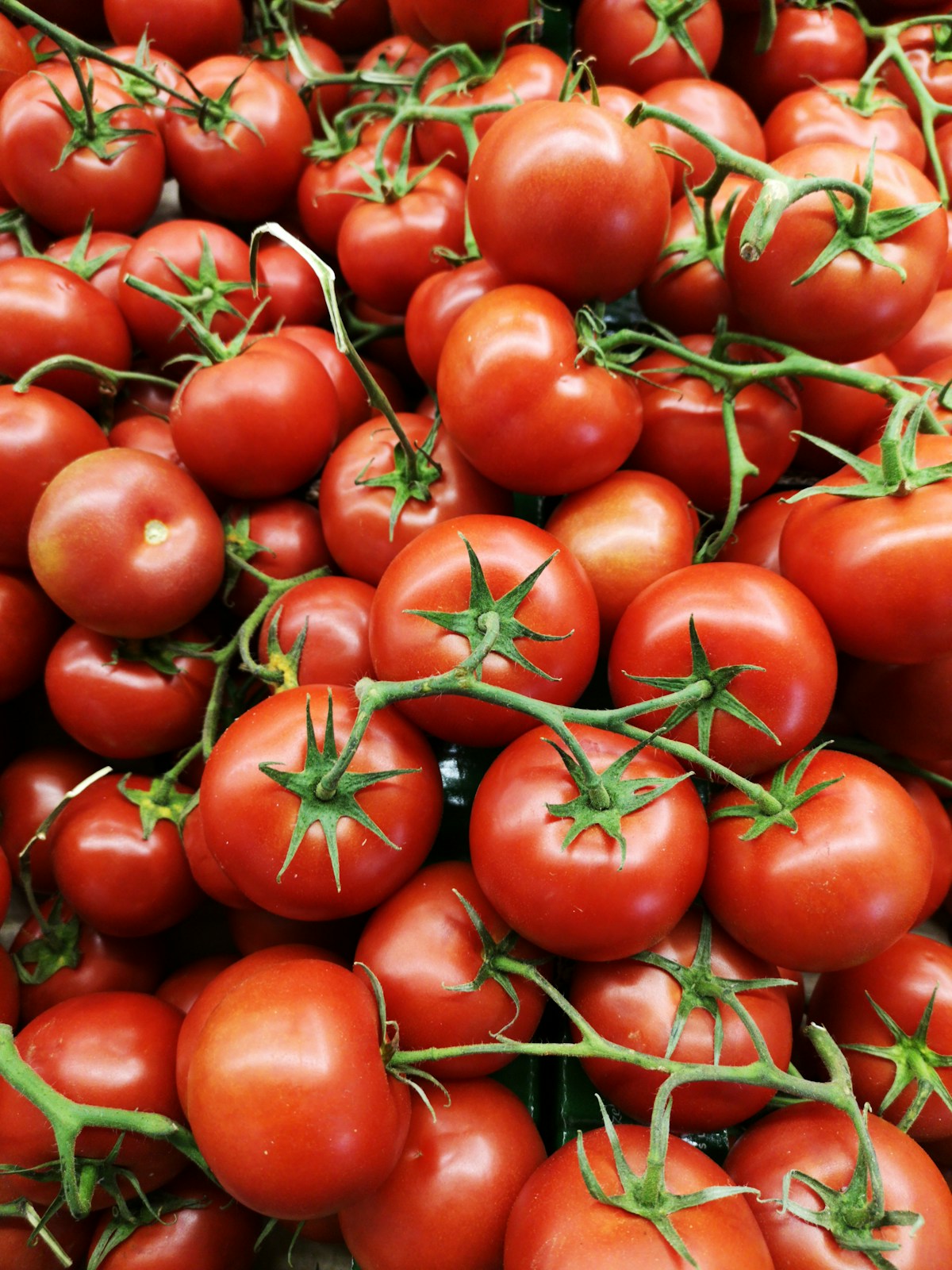
Hydroponic tomatoes produce fruit 20–30% faster than soil-grown plants, with yields of 15–25 kg per plant in a full season. They need EC 2.0–3.5, active oxygenation, staking, and manual pollination indoors. First fruit arrives 70–90 days from transplant.
What tomato varieties work best in soilless systems?
Understanding the difference between indeterminate and determinate growth habits is the foundation of soilless tomato cultivation.
Indeterminate varieties (also called vining tomatoes) grow continuously throughout the season, producing fruit at every node. They can reach 2–4 metres in a single season and require vertical support strings or stakes. These are the preferred choice for indoor and greenhouse soilless production because the continuous harvest justifies the long setup investment. Classic examples include Beefsteak, Big Boy, and most cherry tomato varieties (Sungold, Sweet 100, Black Cherry).
Determinate varieties (bush tomatoes) grow to a fixed height, set all their fruit over a 2–4 week window, then stop. They require less vertical space and suit shorter growing seasons. Roma and Rutgers are common determinate types.
For home soilless growing, cherry tomato varieties (particularly Sungold and Sweet Million) are strongly recommended as a first attempt. They tolerate wider EC and temperature ranges, produce fruit faster (55–70 days from transplant), and self-prune more readily than beefsteak types.
How do you sow tomato seeds for a soilless system?
Tomatoes need warmth to germinate. Cold rockwool or low ambient temperatures are the most common cause of failed germination.
- Pre-soak rockwool cubes in pH 5.5 water for 30 minutes. Drain thoroughly — tomato seeds are more sensitive to waterlogging during germination than lettuce.
- Place 1–2 seeds per cube, 5 mm deep. Tomato seeds do not require light to germinate.
- Apply bottom heat: use a seedling heat mat to maintain the growing medium at 24–27°C. At this temperature, germination occurs in 5–10 days. Without heat, germination can take 14–21 days or fail entirely.
- Cover with a humidity dome until germination. Remove the dome within 24 hours of emergence to prevent damping off.
- Introduce light immediately at 200–300 PPFD, 16–18 hours per day. Tomato seedlings are highly prone to etiolation (stretching) in low light — compact, dark-green seedlings are the goal.
Thin to one seedling per cube at day 7–10.
How do you nurture tomato seedlings to transplant?
The seedling phase (days 7–28 from germination) establishes the root and stem architecture that determines the plant's entire productive capacity.
Nutrient schedule:
- Days 1–10: EC 0.8–1.2, focus on nitrogen and calcium for cell structure
- Days 10–21: EC 1.2–2.0, begin introducing phosphorus for root development
- Days 21–28 (pre-transplant): EC 2.0–2.5, begin full-spectrum fruiting nutrient formula
Key targets:
- pH: 5.8–6.3 throughout
- Temperature: 22–26°C day, 16–18°C night (the temperature differential promotes compact, thick stems)
- Light: DLI of 15–20 mol/m²/day — use 400–600 PPFD for 14–16 hours
Transplant when the seedling has 3–4 true leaves and a stem diameter of at least 3–4 mm. A thin, weak stem at transplant is a warning sign — harden off and increase light before moving to the main system.
How do you care for tomato plants in a soilless system?
Long-season fruiting crops require active management that goes beyond leafy greens.
EC management by growth stage:
| Growth Stage | Target EC (mS/cm) | Dominant Nutrient Need |
|---|---|---|
| Seedling | 0.8–1.5 | Nitrogen, calcium |
| Vegetative (post-transplant) | 2.0–2.5 | Nitrogen, phosphorus |
| First flowers appearing | 2.5–3.0 | Phosphorus, potassium |
| Fruiting (continuous) | 3.0–3.5 | Potassium, calcium, magnesium |
| Late season (plant stress) | 3.5–4.0 | Potassium-heavy finish |
Staking and training: Install vertical support strings or bamboo stakes at transplant. Tomatoes cannot support themselves once fruiting. For indeterminate varieties, remove all suckers (lateral shoots emerging from the leaf axil) except the main stem and one secondary leader for a two-stem system. This concentrates energy into fruit rather than vegetative growth.
Pollination: Outdoors, wind and insects vibrate flowers and release pollen. Indoors, you must replicate this. Use an electric toothbrush or a dedicated pollination wand held against the flower stem for 2–3 seconds per flower, once per day when flowers are open (yellow, fully extended petals). Low humidity below 40% also causes pollen to clump and fail — maintain 50–70% RH during flowering.
Calcium and magnesium: The most common nutrient problems in tomatoes are blossom-end rot (calcium deficiency at the fruit tip, caused by inadequate uptake rather than low supply) and interveinal chlorosis (magnesium deficiency). Maintain consistent watering frequency — irregular wet-dry cycles impede calcium uptake. Supplement with Cal-Mag at 5–10% of total nutrient volume during fruiting.
How do you harvest soilless tomatoes?
Tomatoes signal readiness through colour, firmness, and aroma — using colour alone leads to premature picking.
Colour cues by stage:
- Breaker stage (10% colour): fruit has stopped receiving sugars from the plant; can be harvested and ripened off-vine at 18–20°C.
- Pink stage (30–60% colour): flavour development is active; leave on vine if possible.
- Full colour (90–100% variety-specific colour): peak flavour and nutrition. Vine-ripened to full colour produces measurably higher lycopene and sugar content than breaker-stage harvest.
Harvest with a sharp snip at the stem. Remove the calyx (green stem) only if storing — with calyx attached, tomatoes last 3–5 days longer at room temperature.
Days from transplant to first harvest: 70–90 days for large-fruited indeterminate types; 55–70 days for cherry tomatoes.
What nutritional value do soilless tomatoes deliver?
Tomatoes are among the best-studied crops in hydroponic nutrition research, with consistent findings across multiple studies.
| Nutrient | Per 100g Raw | % Daily Value | Notes |
|---|---|---|---|
| Lycopene | 2,573 µg | — | Primary antioxidant; 2–4× higher in cooked/processed tomatoes |
| Vitamin C | 14–23 mg | 16–25% | Higher in vine-ripened; declines after harvest |
| Vitamin K | 7.9 µg | 7% | Required for coagulation and bone health |
| Potassium | 237 mg | 5% | Supports blood pressure; higher in high-EC grown fruit |
| Folate | 15 µg | 4% | Cell division support |
| Beta-carotene | 449 µg | — | Converted to Vitamin A |
Hydroponic versus field comparison: A 2020 study in Scientia Horticulturae found that Dutch bucket hydroponic tomatoes produced 23% higher total soluble solids (a proxy for flavour and sugar content) compared to field-grown controls of the same variety, attributable to precise potassium management during fruit fill.
Frequently Asked Questions
Why do hydroponic tomatoes crack?
Do I need bees to pollinate indoor tomatoes?
What is the best nutrient ratio for flowering and fruiting tomatoes?
Some links in this article are affiliate links. If you purchase through them, we may earn a small commission — at no extra cost to you.
 General Hydroponics Flora Series 3-Part Nutrient System (1 qt each)
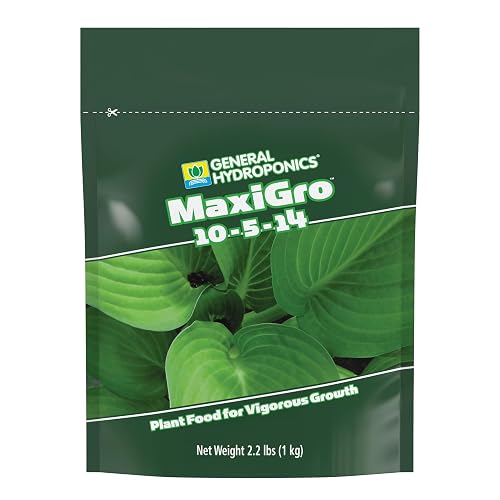 General Hydroponics pH Control Kit (pH Up, pH Down, Test Indicator)
 INKBIRD WiFi Thermometer Hygrometer IBS-TH5 (9-in-1, 2-Year Data Storage)
 AeroGarden Bounty Elite (9-pod)General Hydroponics Flora Series 3-Part Nutrient System (1 qt each)
 GROWNEER 50-Pack 2-Inch Slotted Mesh Net Pots
 Apera Instruments PC60 pH/EC/TDS/Temp MeterGeneral Hydroponics pH Control Kit (pH Up, pH Down, Test Indicator)
 Bluelab pH 4.0 and 7.0 Calibration Solution Kit (500 ml each)