Quick Answer
Hydroponic cucumbers reward vertical space and consistent nutrition. Given EC 2.0–2.8, adequate calcium, and a trellis to climb, they reach harvest at 50–60 days from transplant and produce continuously for months — far outperforming soil-grown plants in the same footprint. --- Why do cucumbers need vertical space and support? Cucumbers ( Cucumis sativus ) are vigorous vining plants that evolved…
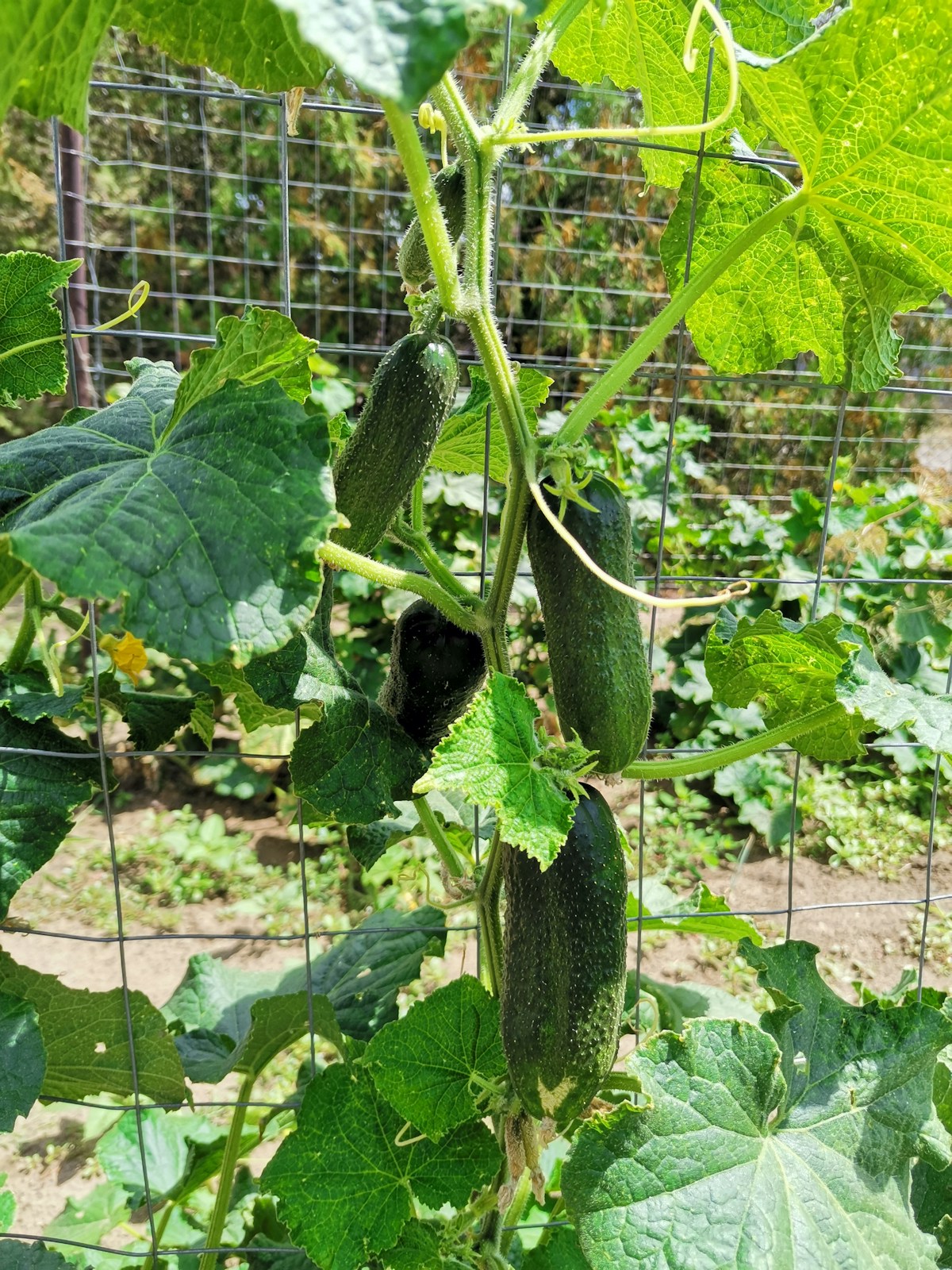
Hydroponic cucumbers reward vertical space and consistent nutrition. Given EC 2.0–2.8, adequate calcium, and a trellis to climb, they reach harvest at 50–60 days from transplant and produce continuously for months — far outperforming soil-grown plants in the same footprint.
Why do cucumbers need vertical space and support?
Cucumbers (Cucumis sativus) are vigorous vining plants that evolved to scramble over other vegetation. Left unsupported in a hydroponic system, they produce sprawling horizontal growth, shade lower leaves, impede airflow, and generate undersized, misshapen fruit. A vertical trellis is not optional — it is the core infrastructure that makes indoor cucumber production viable.
The reward for providing that structure is significant: a single trellised plant in a DWC or Dutch bucket system can produce 25–40 fruits over a 90–120 day production window. Commercial greenhouse operations routinely push individual cucumber plants to 50+ fruits per seasonal cycle using high-wire systems where lateral shoots are continually removed and the main stem is trained upward.
Variety selection is the first decision. Two categories exist:
| Category | Examples | Pollination Required? | Fruit Type |
|---|---|---|---|
| Parthenocarpic | Bella, Cumlaude, Picolino | No | Smooth, seedless, thin skin |
| Standard/Seeded | Marketmore, Ashley | Yes (manual or insects) | Thicker skin, seeds present |
| Armenian/Oriental | Beit Alpha, Suyo Long | No | Mild, ribbed, excellent flavor |
Parthenocarpic varieties are the near-universal choice for indoor growing: they set fruit without pollination, produce uniform seedless cucumbers, and are bred specifically for greenhouse and soilless conditions.
How do you sow cucumbers for hydroponics?
Cucumbers are direct-seeded into growing media — they do not require a long seedling nursery phase.
- Sow directly into 3.8cm or 5cm rockwool cubes pre-soaked in pH 5.5–6.0 water. Plant one seed per cube at 1cm depth.
- Germination is fast: 3–5 days at 25°C. Cucumbers have zero cold tolerance — below 18°C, germination rate drops sharply; below 12°C, seeds rot rather than germinate.
- Humidity dome at 25°C until cotyledons emerge (day 3–5), then remove dome and introduce light immediately.
- Light at emergence: 200–300 PPFD for 18 hours. Cucumber seedlings stretch aggressively toward light; keep the light source close (15–20cm) in the first week.
- Transplant when the first true leaf is fully developed and roots emerge from the cube — typically day 10–14.
How do you nurture cucumber seedlings and vegetative plants?
Cucumbers are heavy feeders. Their nutrient demands are substantially higher than leafy greens.
- EC: 1.8–2.2 mS/cm during vegetative phase; raise to 2.4–2.8 during fruiting. Do not exceed 3.0 — osmotic stress causes fruit tip burn and flower drop.
- pH: 5.8–6.2. Wider tolerances than most fruiting crops but consistency matters more than perfection.
- Temperature: 22–28°C daytime, 18–20°C night. Temperature drop at night promotes compact internode growth and reduces disease pressure.
- Calcium demand: Among the highest of any hydroponic crop. Calcium deficiency presents as tip burn on new leaves and blossom end rot on developing fruit. Use a calcium-magnesium supplement if your base nutrient does not supply sufficient calcium (target 150–200 ppm Ca in solution).
- Silica supplementation: Optional but valuable. Silica strengthens cell walls at stem nodes — the mechanical stress points where the vine contacts the trellis. Apply at 50–100 ppm as potassium silicate; adjust pH after addition as silica raises it sharply.
How do you care for cucumber vines during fruiting?
Training and pruning are daily tasks at peak production.
Trellising technique: Wrap the main vine loosely around a vertical string or clip it to trellis netting every 15–20cm as it grows. Cucumbers produce tendrils that grasp on their own, but they need initial guidance.
Lateral (side shoot) management: Remove all laterals in the first 50cm of the plant — this is the "clean stem" zone that ensures airflow at the base. Above 50cm, allow laterals to grow but pinch each one after the second or third leaf node. This keeps the plant's energy focused on the main stem and fruit.
Leaf pruning: Remove lower leaves as the plant grows upward. Once a leaf is below the lowest active fruit, it contributes little to photosynthesis but significantly to disease risk. Remove cleanly with sterilized scissors.
Pollination for standard varieties: Use a small soft brush or your finger to transfer pollen from male flowers (no bulge behind the petals) to female flowers (small proto-cucumber behind the petals). Gently vibrate flowers with an electric toothbrush — this mimics bee vibration and improves set rates. Parthenocarpic varieties skip this step entirely.
When and how do you harvest cucumbers?
Daily harvesting is not an exaggeration — cucumbers left on the vine past optimal size signal the plant to slow new fruit development.
| Variety Type | Optimal Harvest Length | Days from Transplant to First Fruit |
|---|---|---|
| Mini/snacking | 10–12cm | 45–50 days |
| Standard slicing | 20–25cm | 50–60 days |
| Long/English | 35–40cm | 55–65 days |
| Armenian | 45–55cm | 50–60 days |
Cut with a clean blade rather than twisting — clean cuts reduce disease entry points. Fruit left to over-mature turns yellow, becomes seedy, and diverts plant resources away from developing cucumbers. Harvest every 24–48 hours at peak production.
What nutrition do cucumbers provide?
Cucumbers are not calorie-dense, but they are a useful hydration and micronutrient source.
| Nutrient | Per 100g (with skin) | % Daily Value | Notes |
|---|---|---|---|
| Water | 95.2g | — | Outstanding hydration value |
| Vitamin K | 16.4 µg | 14% | Highest in the skin — peel reduces content by 60% |
| Vitamin C | 2.8 mg | 3% | Modest; peaks in younger fruit |
| Potassium | 147 mg | 3% | Electrolyte regulation |
| Cucurbitacin | Trace | — | Bitter compound; found in stems/leaves, not fruit |
Cucurbitacin is the bitter compound produced in all cucurbit species. It concentrates in vegetative tissue — stems, leaves, and immature fruit — not in properly developed fruit. Bitter cucumbers are the result of plant stress (heat, water deficit, or harvesting too late after the vine has expressed stress). Maintaining stable EC and consistent irrigation prevents bitterness entirely.
Frequently Asked Questions
Why are my cucumbers bitter?
Do I need to pollinate hydroponic cucumbers?
How much space do cucumbers need?
Some links in this article are affiliate links. If you purchase through them, we may earn a small commission — at no extra cost to you.
 Active Aqua 1000 GPH Submersible Water Pump
 General Hydroponics Flora Series 3-Part Nutrient System (1 qt each)
 Apera Instruments PC60 pH/EC/TDS/Temp Meter
 AeroGarden Bounty Elite (9-pod)General Hydroponics Flora Series 3-Part Nutrient System (1 qt each)
 GROWNEER 50-Pack 2-Inch Slotted Mesh Net PotsApera Instruments PC60 pH/EC/TDS/Temp Meter
 General Hydroponics pH Control Kit (pH Up, pH Down, Test Indicator)
 Bluelab pH 4.0 and 7.0 Calibration Solution Kit (500 ml each)
