Quick Answer
Vertical garden systems multiply usable growing area by stacking growing surfaces vertically. The right system depends on crop type, available height, and whether you prioritise simplicity (stackable pots), water efficiency (NFT A-frames), or maximum density (tower gardens). --- What Are the Main Types of Vertical Growing Systems? Vertical growing encompasses several distinct system architectures, each with different strengths, costs, and…
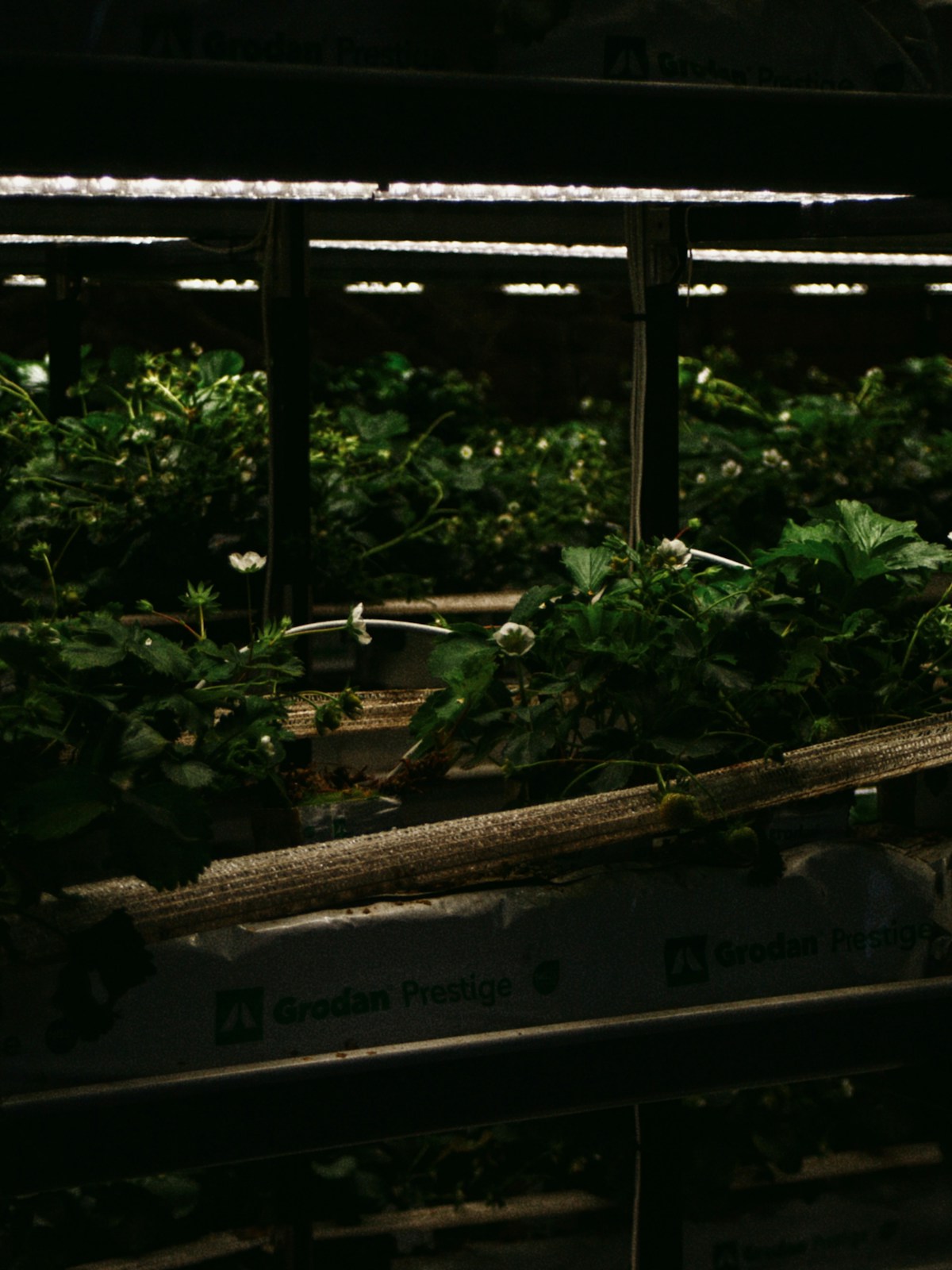
Vertical garden systems multiply usable growing area by stacking growing surfaces vertically. The right system depends on crop type, available height, and whether you prioritise simplicity (stackable pots), water efficiency (NFT A-frames), or maximum density (tower gardens).
What Are the Main Types of Vertical Growing Systems?
Vertical growing encompasses several distinct system architectures, each with different strengths, costs, and crop suitability.
1. Wall Panel Systems Felt pocket panels, modular plastic panels, or hydroponic wall frames mounted to a vertical surface. Each pocket or cell holds one plant. Systems range from decorative felt herb walls to commercial hydroponic living walls recirculating nutrient solution.
2. Tower Systems Freestanding vertical columns 1–2 m tall with planting pockets around the circumference. Can be soil-based, aeroponic (nutrient mist at the roots), or hydroponic. Aeroponic towers deliver nutrients directly to exposed roots for fast growth rates.
3. A-Frame NFT Systems NFT (Nutrient Film Technique) channels arranged in an inverted V shape. Nutrient solution flows down each channel; plant roots sit in the stream. Popular in commercial lettuce and herb production for high density and ease of harvest.
4. Stackable Pot Systems Modular containers that interlock vertically. Each pot is self-contained with drainage. Soil or coco-based. Simple and low-cost but limited by gravity drainage — lower pots can become waterlogged if drainage is poor.
5. Wire Rack Multi-Tier (Horizontal Shelving) Technically "vertical" in that it stacks growing trays. The most common DIY approach for indoor farms. Detailed separately in the small-space article.
How Do These Systems Compare?
| System | Upfront Cost | Plants/m² Floor | Water Use | Best Crops | Skill Level |
|---|---|---|---|---|---|
| Felt wall panel | $20–80 | 20–40 | Moderate (hand water) | Herbs, strawberries | Beginner |
| Plastic modular wall | $80–250 | 30–60 | Low–Moderate | Herbs, lettuce | Beginner |
| Hydroponic living wall | $300–2,000+ | 40–80 | Low (recirculating) | Lettuce, herbs | Intermediate |
| Tower garden (aeroponic) | $400–800 | 50–80 | Very Low | Lettuce, herbs, kale | Intermediate |
| A-frame NFT | $200–600 | 60–120 | Very Low | Lettuce, basil | Intermediate |
| Stackable pots | $30–100 | 20–40 | Moderate | Herbs, strawberries | Beginner |
| Wire rack multi-tier | $100–300 | 40–80 | Varies | All crops | Beginner |
Plant density figures assume uniform 15 cm plant spacing and count all growing surfaces, not just floor area.
What Are the Pros and Cons of Tower Systems?
Aeroponic tower systems (e.g., Tower Garden, Lettuce Grow) are popular because of their space efficiency and low water use. The aeroponic delivery system — spraying a fine mist of nutrient solution directly onto roots — can accelerate growth by 30–40% compared to soil.
Pros:
- Extremely high plant density relative to floor footprint
- Water use 90–95% lower than soil growing
- Clean, no soil mess
- Fast growth rates
- Good aesthetic for visible kitchen or office gardens
Cons:
- Lighting a cylindrical tower is inherently inefficient — only plants facing the light source receive full intensity
- Requires a centre light pole or surrounding lights to illuminate all sides
- Pump failures can cause rapid root drying and crop loss (aeroponics has no buffer)
- Higher upfront cost than DIY alternatives
- Reservoir access for cleaning can be awkward
Tower systems perform best for 360° light arrangements (surrounding LED strips or a central vertical light). In a standard shelf setup facing a single light panel, expect significant yield variation between the lit and shaded sides.
When Does an A-Frame NFT System Make Sense?
A-frame NFT is the dominant system in commercial lettuce and herb operations for good reasons. It delivers:
- Maximum channel density: An A-frame doubles the growing length of channels per unit of floor space compared to flat horizontal channels.
- Easy harvest access: Both faces of the A are accessible from the aisle without reaching across wide benches.
- Excellent root oxygenation: The thin film of nutrient solution in NFT channels keeps roots moist but highly oxygenated.
- Scalability: A-frames are modular — add more frames as your operation grows.
NFT limitations to plan for:
- Not suitable for heavy root crops (carrots, beets) or large fruiting plants (tomatoes require deep-water culture or substrate systems instead)
- Power failure stops nutrient flow; roots dry out within 15–30 minutes in warm conditions — always have a backup power plan
- Channel cleaning between crop cycles requires removing plants and flushing with hydrogen peroxide or bleach solution
For a 50–200 sq ft grow room, a two to four A-frame NFT system with 2-inch channels at 15-cm spacing is a highly effective configuration for year-round lettuce and herb production.
How Do You Choose the Right System for Your Goals?
Use this decision framework:
| If you want... | Choose... |
|---|---|
| Lowest cost, easiest start | Stackable pots or felt wall panels |
| Maximum yield from minimum floor space | A-frame NFT or aeroponic tower |
| Minimal maintenance, clean aesthetic | Hydroponic living wall or tower garden |
| Flexibility to grow many crop types | Wire rack multi-tier with interchangeable containers |
| Commercial-scale leafy greens | A-frame NFT or horizontal NFT on wire racks |
| Fruiting crops (tomatoes, peppers) | Deep water culture on wire rack multi-tier |
Whichever system you choose, invest in quality lighting and a reliable timer before optimising the growing system itself. Light quality drives yield more than any other single factor.
Frequently Asked Questions
Can I build an A-frame NFT system myself?
How do I prevent water from pooling in stackable pot systems?
What is the maximum height I should build a vertical system?
Some links in this article are affiliate links. If you purchase through them, we may earn a small commission — at no extra cost to you.
 General Hydroponics Flora Series 3-Part Nutrient System (1 qt each)
 General Hydroponics pH Control Kit (pH Up, pH Down, Test Indicator)
 Apera Instruments PC60 pH/EC/TDS/Temp MeterGeneral Hydroponics Flora Series (FloraGro, FloraBloom, FloraMicro)Apera Instruments PC60 pH/EC/TDS/Temp Meter
 GROWNEER 50-Pack 2-Inch Slotted Mesh Net Pots
 Vivosun Grow Tent (4×4 ft)
 BN-LINK Short Period Repeat Cycle Intermittent Timer
 INKBIRD WiFi Thermometer Hygrometer IBS-TH5 (9-in-1, 2-Year Data Storage)
