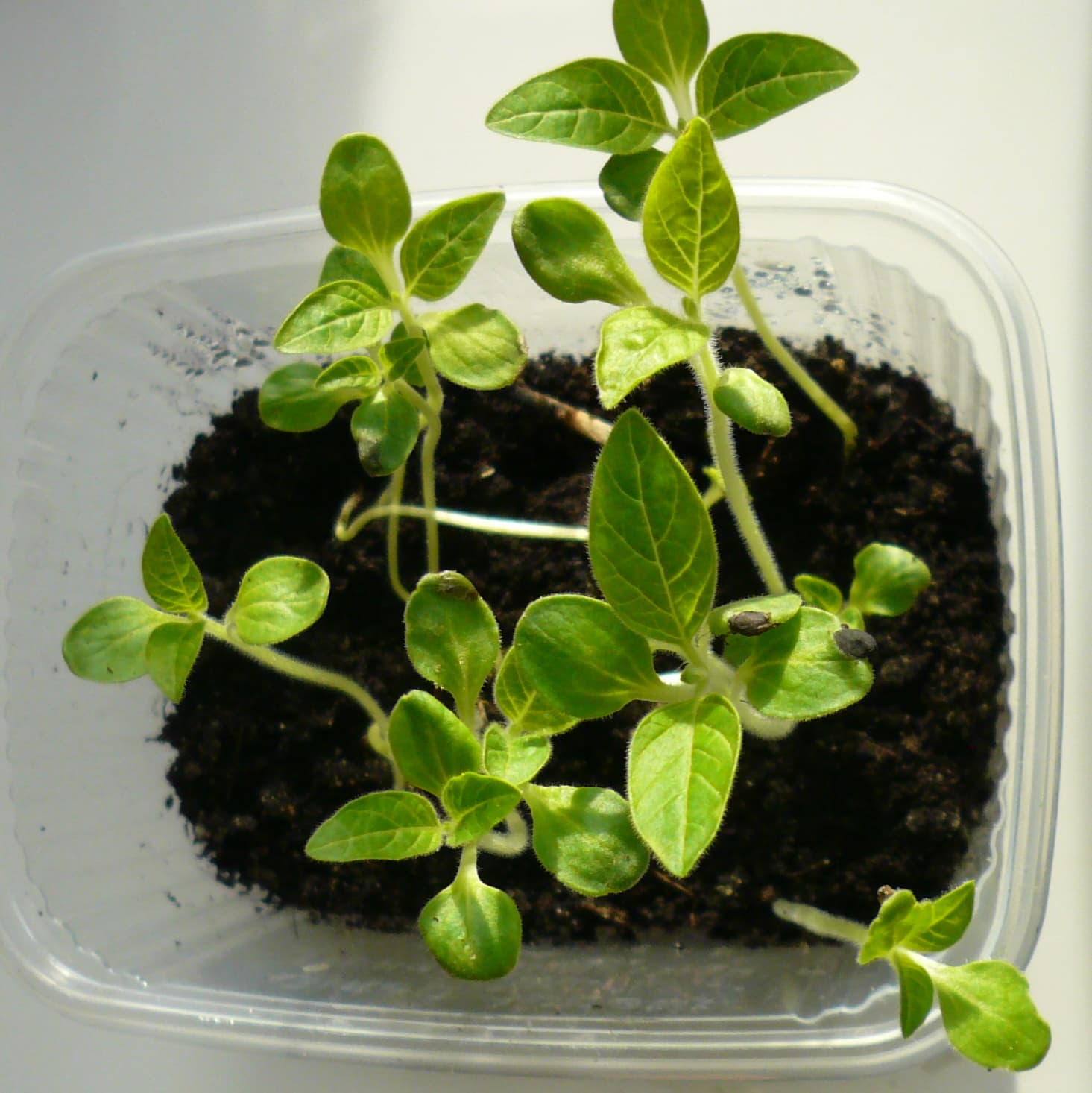
Hydroponic saffron grows Crocus sativus corms in a controlled, soil-free environment by replicating the plant's natural dormancy-to-bloom cycle: a dry summer rest followed by a cool, humid autumn trigger at 15–18°C. Each flower produces exactly three red stigmas — the saffron — which must be hand-harvested within 24 hours of bloom, making this the world's most labour-intensive crop and, at ₹2,00,000–₹5,00,000/kg in India, its most valuable spice.
How do you plant saffron corms in a hydroponic system?
Saffron is not grown from seed — it propagates exclusively from corms (underground storage organs similar to bulbs). Sourcing healthy, disease-free corms of minimum 8–10 g each is the single most important factor in a successful crop. In India, certified corms are available from Jammu & Kashmir's saffron belt (Pampore region) and increasingly from Himachal Pradesh growers. Larger corms produce more flowers in the first season.
The critical step before planting is breaking dormancy correctly. Corms must be stored dry at 25–30°C from June through September (approximately 90 days), simulating the hot, dry Kashmiri summer. If corms are planted without completing this rest period, flowering is severely reduced or fails entirely. Storage in a mesh bag in a ventilated room — away from direct sunlight and moisture — works well. Check corms monthly and discard any showing soft rot or mould.
Planting window is October to early November, when outdoor temperatures naturally begin to drop. In a controlled hydroponic setup, you initiate the growing phase by moving corms into a cooled chamber or using an air-conditioned grow tent set to 15–18°C. Place corms point-up in net pots filled with expanded clay pebbles (LECA) or rockwool, with the corm top sitting just at or slightly above the medium surface. Use a shallow flood-and-drain (ebb and flow) system or hand-water with a very dilute nutrient solution — the corm itself contains the energy reserves for flowering; roots need moisture, not heavy feeding.
How do you nurture saffron corms through the flowering phase?
Once corms are placed in the cool environment, leaves and flower shoots emerge within 2–4 weeks. The sequence is counter-intuitive compared to most crops: flowers appear first or simultaneously with leaves, rather than after a long vegetative period. This colchicaceous flowering pattern means there is no separate "vegetative" nutrient phase to manage for the first-season bloom.
| Parameter | Target Range | Notes |
|---|---|---|
| Temperature (day/night) | 15–18°C / 10–12°C | Critical for bud initiation; above 20°C suppresses bloom |
| Relative Humidity | 50–70% | Higher humidity during leaf growth; reduce at harvest |
| EC (electrical conductivity) | 0.6–1.0 mS/cm | Low feed — corms are self-sustaining for bloom energy |
| pH | 6.0–7.0 | Slightly higher than most hydroponic crops |
| Light (grow lights) | 12 hours/day at 150–200 PPFD | LED full-spectrum; photoperiod triggers flowering |
| Watering frequency | Every 2–3 days | Avoid waterlogging; corms rot in saturated media |
LED grow lights are the preferred lighting solution for indoor saffron. Full-spectrum LEDs with red and blue wavelengths at a 12-hour photoperiod replicate the shortening autumn days that trigger Crocus sativus to flower. Avoid high-intensity lighting — saffron is a Mediterranean and sub-alpine plant, not a light-hungry tropical crop. Excessive light intensity, especially combined with warmth, will trigger premature leaf senescence and suppress flower count.
How do you care for saffron plants and prevent corm rot?
The primary failure mode in hydroponic saffron is Fusarium rot (caused by Fusarium oxysporum f.sp. gladioli), which destroys corms before they can flower. Prevention is the only effective strategy: there is no curative treatment once rot is established. Before planting, soak corms for 30 minutes in a dilute potassium permanganate solution (0.5 g/litre) or a Trichoderma-based biocontrol drench. Inspect the medium daily for the first two weeks and remove any corm that develops soft, discoloured tissue immediately.
Drainage is critical in a soilless system. LECA (expanded clay aggregate) is the preferred medium because its macropore structure allows rapid drainage while retaining just enough moisture at the corm base. Avoid coco coir or rockwool as the sole medium — both retain moisture too aggressively for this crop. If using a flood-and-drain system, flood duration should not exceed 20 minutes, and the drain interval should allow the medium to approach near-dry before the next flood cycle.
After the flowering and leaf period (approximately December–March), allow the foliage to die back naturally. Do not cut the leaves — they are photosynthesising and rebuilding the corm for next year's crop. As leaves yellow and collapse, reduce watering to near-zero and raise temperature to 20–22°C to initiate the new summer dormancy. Properly rested corms replanted the following October will generate cormlets (daughter corms), gradually expanding your planting stock.
How do you harvest saffron stigmas and what is the timeline?
Harvesting saffron requires both precision timing and manual dexterity. Each Crocus sativus flower opens for a single day — typically in the morning. The three red-orange stigmas attached to the cream-coloured style must be plucked within 4–8 hours of the flower opening. Stigmas left on the plant past their prime dry out, discolour, and lose the volatile compounds (safranal, picrocrocin, crocin) that define saffron quality.
Use fine-tipped tweezers or pinch with thumb and forefinger to detach the stigma from the style cleanly at the junction. Do not pull the entire flower — remove stigmas only. Collect into a small glass jar. Fresh stigmas must be dried immediately: spread on a mesh screen in a warm (35–40°C), dry, dark space with gentle airflow, or use a food dehydrator on its lowest setting. Drying takes 30–60 minutes for small batches. Store dried saffron in an airtight dark glass vial away from light and heat.
| Growth Stage | Timing |
|---|---|
| Dormancy period (warm, dry storage) | June–September (~90 days) |
| Planting (in cool chamber) | October–early November |
| First sprouts and flower buds emerge | 2–4 weeks after planting |
| Peak flowering window | Late October–November (3–4 weeks) |
| Leaf growth and corm rebuilding | December–March |
| Foliage senescence, begin drying-off | March–April |
| Return to dormancy | May–June |
Yield expectations: A healthy 10 g corm produces 1–3 flowers in its first season. Each flower yields approximately 30 mg of fresh stigmas, which dries to ~7 mg. To produce 1 g of dried saffron requires approximately 150–200 flowers. A tray of 100 corms may yield 0.5–0.7 g in year one, rising as corms multiply and reach full maturity by year three.
What is the market value and economics of hydroponic saffron in India?
India is simultaneously a major saffron consumer and an importer — domestic Kashmiri saffron (Mongra and Lacha grades) commands a premium but production is limited by the specific agro-climatic conditions of the Pampore plateau. Total domestic production is estimated at just 5–8 metric tonnes annually against demand many times that figure, with the gap filled by Iranian and Spanish imports, often of lower quality. This supply deficit creates a structural opportunity for controlled-environment saffron production.
Retail prices for premium Kashmiri saffron range from ₹2,00,000–₹5,00,000/kg in the Indian market, with authenticated Mongra grade reaching the upper end. Direct-to-consumer channels (premium grocery, Ayurvedic pharmacies, online platforms) typically achieve ₹2,500–₹5,000 per gram. A small hydroponic setup producing 5–10 g of certified saffron per year can return ₹12,500–₹50,000 from a modest investment in corms and controlled-environment equipment.
Scaling hydroponic saffron requires capital in two forms: the initial corm purchase (₹800–₹2,000 per kg of planting-grade corms, with ~100–150 corms per kg) and the environmental control infrastructure (cooled, lit, humidity-managed space). The economics improve significantly from year two onward as corms multiply without repurchase. B2B channels to hotel chains, Ayurvedic product manufacturers, and saffron-based food companies offer higher volume off-take at ₹1,50,000–₹3,00,000/kg. Geographic Indication (GI) certification for Kashmiri saffron restricts that specific label, but controlled-environment Indian-grown saffron can be marketed authentically on its quality profile and provenance transparency.