Quick Answer
Hydroponic ashwagandha ( Withania somnifera ) is a non-standard, expert-level application of soilless growing: the plant's commercial value lies in its root system, which requires 150–180 days to develop, deep containers of at least 40–50 cm, and low-EC nutrient delivery (0.8–1.2 mS/cm) that mimics the lean, well-drained soils of its native semi-arid Indian range. The technique is viable but demands…
Hydroponic ashwagandha (Withania somnifera) is a non-standard, expert-level application of soilless growing: the plant's commercial value lies in its root system, which requires 150–180 days to develop, deep containers of at least 40–50 cm, and low-EC nutrient delivery (0.8–1.2 mS/cm) that mimics the lean, well-drained soils of its native semi-arid Indian range. The technique is viable but demands patience, appropriate system design, and understanding that this crop rewards a soil-analogue hydroponic approach rather than the nutrient-dense formulas used for leafy crops.
How do you sow ashwagandha seeds in a soilless system?
Ashwagandha (Withania somnifera, family Solanaceae) is grown from seed and does not require pre-treatment, though a 24-hour warm water soak marginally improves germination rate and uniformity. Seeds are small, flat, and off-white; they are commercially available from Ayurvedic seed suppliers, agricultural input stores across Rajasthan, Madhya Pradesh, and Gujarat (the primary cultivation states), and online from dedicated herbal seed vendors.
For soilless germination, sow 2–3 seeds per rockwool cube or coco coir plug, pressing seeds 3–5 mm below the surface. Ashwagandha germinates best in the dark or under low light during the first 3–5 days — cover the tray with a dark lid or black polythene. Maintain temperature between 20–35°C; germination is fastest at 28–32°C, matching Indian warm-season conditions. At these temperatures, seedlings emerge in 7–14 days. Below 18°C, germination is very slow and patchy; ashwagandha is a warm-season crop that requires no cold stratification.
Once seedlings show the first true leaves (at approximately day 14–21), thin to the strongest single seedling per container and begin low-concentration nutrient delivery. The transplant into the final growing vessel should happen early — ashwagandha develops a deep taproot rapidly, and any root disturbance after day 30 significantly sets back the plant. Plan your final container placement before germination begins, not after.
How do you nurture hydroponic ashwagandha through its long growing cycle?
Ashwagandha's nutrient requirements are the inverse of most high-value hydroponic crops. Where lettuce, basil, and tomatoes respond to progressively increasing EC, ashwagandha — native to the thin, rocky, low-fertility soils of the Deccan plateau, Rajasthan, and the Gangetic plain semi-arid belt — is adapted to nutrient scarcity. Over-fertilising produces abundant leaf growth at the expense of root biomass and withanolide accumulation, which defeats the purpose of growing this plant.
| Parameter | Target Range | Notes |
|---|---|---|
| EC (electrical conductivity) | 0.8–1.2 mS/cm | Keep low throughout; do not raise above 1.5 |
| pH | 7.5–8.0 | Higher than most hydroponic crops; matches alkaline native soils |
| Temperature | 20–35°C | Wide tolerance; no temperature control needed in most Indian climates |
| Light | 14–16 hours/day | Full sun equivalent preferred; LED supplementation in monsoon season |
| Container depth | Minimum 40 cm, 50+ cm preferred | Root length determines root yield |
| Watering frequency | Every 3–5 days | Allow near-drying between irrigation cycles; mimic semi-arid conditions |
| Nutrients | Phosphorus-forward formula | P and K over N; avoid high-nitrogen vegetative formulas |
The pH range of 7.5–8.0 is higher than almost every other hydroponic crop guide recommends, and this is intentional. Ashwagandha's native soils are alkaline — pH 7.5–8.5 is common in Rajasthan and Gujarat — and the plant's root nutrient uptake machinery is calibrated for these conditions. Growing at pH 6.0–6.5 (standard hydroponic range) is possible but produces inferior root development compared to the plant's preferred pH range. Use potassium hydroxide solution to raise pH if needed, and check weekly.
How do you design a hydroponic system suitable for ashwagandha root development?
System selection is the most critical decision for hydroponic ashwagandha. Standard shallow systems — NFT channels, horizontal DWC containers, standard 5 cm net pots — are entirely unsuitable. The taproot of a mature ashwagandha plant reaches 30–50 cm in depth in field conditions; in a hydroponic system, it will grow to whatever depth the container allows. More root depth equals more root biomass equals more yield.
Dutch bucket (bato bucket) systems are the closest commercial hydroponic system to suitable conditions — deep, individual containers (typically 15–20 litres) with a drain-and-feed cycle that allows the medium to partially dry between irrigations. Alternatively, purpose-built deep containers (food-grade buckets of 15–20 litre capacity, minimum 40 cm internal depth) filled with a perlite-dominant medium (70% perlite, 30% coco coir) provide both drainage and depth. Pure LECA is too heavy and difficult to extract roots from at harvest without breakage.
Irrigation should be intermittent and sparing compared to most hydroponic setups. Water to approximately 30–40% medium saturation, then allow the medium to dry to approximately 10–15% moisture before the next irrigation. This dry-wet cycling replicates the semi-arid monsoon-and-dry-season pattern of ashwagandha's native habitat and has been shown to increase root withanolide content by 15–25% compared to continuously moist growing conditions. A simple drip irrigation timer set to 2–3 minutes per day (or every other day in cool weather) achieves this.
How do you harvest ashwagandha roots and when do withanolides peak?
Root harvest timing is determined by two factors: elapsed time from seeding and seasonal timing for withanolide maximisation. Time-wise, roots should not be harvested before day 150 (5 months); the optimal window is day 150–180, or 6 months from seeding. Plants harvested earlier will have smaller, less starchy roots with lower withanolide content. In field cultivation, the standard recommendation is to wait until the plant begins to senesce — when leaves yellow and drop naturally — before harvesting. In a controlled hydroponic environment, you can initiate this senescence artificially by reducing irrigation to near-zero at the 5-month mark.
Seasonal timing also matters. Research on field-grown ashwagandha in India consistently shows that roots harvested in November–December (after the kharif growing season, entering winter) contain the highest withanolide concentrations. Withanolides (the primary bioactive steroidal lactones: withaferin A, withanolide D, withanone) accumulate in roots as the plant prepares for dormancy and environmental stress. Planning a seeding date of May–June for a November–December harvest aligns with both the natural withanolide accumulation cycle and India's agricultural calendar.
To harvest, stop irrigation 5–7 days before the harvest date to allow the medium to dry fully. This makes root extraction significantly easier and reduces root breakage. Remove the entire plant from the container, and carefully separate the medium from the root system by hand or with a gentle water rinse. The taproot plus lateral roots constitute the harvestable portion; the shoot system is discarded or used for leaf extraction.
| Growth Stage | Timing (from seed) |
|---|---|
| Germination | Day 7–14 |
| Seedling (2–4 true leaves) | Day 14–30 |
| Vegetative establishment | Day 30–90 |
| Root thickening and starch accumulation | Day 90–150 |
| Optimal harvest window | Day 150–180 |
| Withanolide peak (aligned with winter) | November–December preferred |
| Post-harvest medium cleaning and reset | 2–3 weeks |
What is the medicinal and market value of ashwagandha for Indian growers?
Ashwagandha is the most commercially significant Ayurvedic herb in India and one of the fastest-growing nutraceutical ingredients globally. The Indian ashwagandha market was valued at over ₹1,500 crore in 2024 and is growing at approximately 15% annually, driven by both domestic demand (Ayurvedic formulations, OTC supplements, functional foods) and export demand (Indian ashwagandha root extract is a primary ingredient in global adaptogen supplements sold in the US, Europe, and the Middle East).
Dried ashwagandha root fetches ₹200–₹800/kg at the wholesale level in Indian mandis (markets), with certified organic and standardised-extract material commanding ₹1,500–₹3,000/kg. Root extract (KSM-66, Sensoril, Shoden — the major commercial extract brands all sourced from Indian W. somnifera) sells at significant premium, but extract processing requires laboratory equipment beyond small-scale production. For hydroponic growers, the realistic commercial pathway is dried whole root or root powder sold to Ayurvedic manufacturers, herbal product companies, or directly to consumers via e-commerce.
The clinical evidence base for ashwagandha is among the strongest of any Ayurvedic herb. Randomised controlled trials have demonstrated statistically significant effects on perceived stress (reduction in cortisol), testosterone and reproductive hormone support, physical endurance and muscle recovery, and cognitive function. The active compounds — withanolides and sitoindosides — are quantifiable, allowing quality differentiation by analytical testing. Growers who can provide third-party withanolide content certificates (minimum 2.5–5% withanolides by dry weight for pharmaceutical-grade material) can access premium buyers and command prices well above commodity rates.
Frequently Asked Questions
Why is ashwagandha considered expert-level for hydroponic growing?
Can I grow ashwagandha hydroponically for leaf use rather than root harvest?
What is the withanolide content I should expect from hydroponic versus field-grown ashwagandha?
Some links in this article are affiliate links. If you purchase through them, we may earn a small commission — at no extra cost to you.
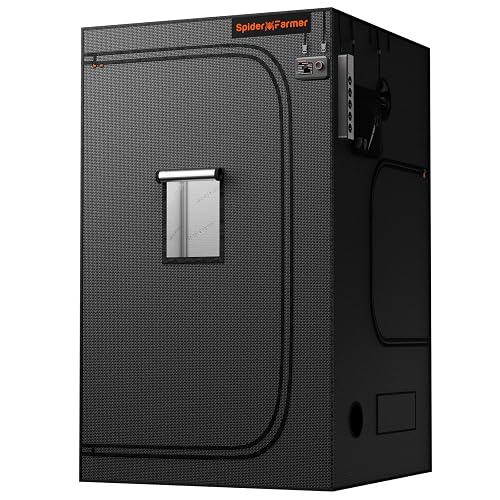 Vivosun Grow Tent (4×4 ft)
 BN-LINK Short Period Repeat Cycle Intermittent Timer
 INKBIRD WiFi Thermometer Hygrometer IBS-TH5 (9-in-1, 2-Year Data Storage)
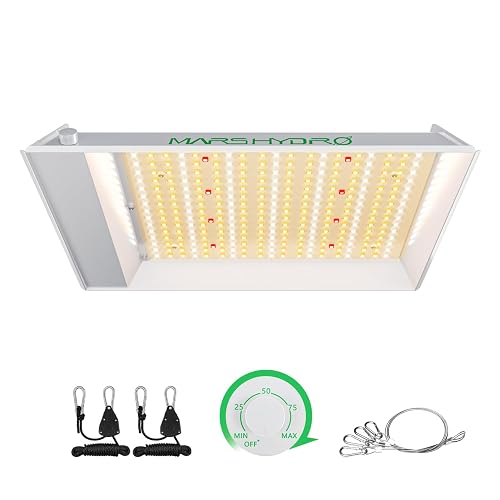 Spider Farmer SF-1000 LED Grow LightBN-LINK Short Period Repeat Cycle Intermittent TimerINKBIRD WiFi Thermometer Hygrometer IBS-TH5 (9-in-1, 2-Year Data Storage)
 GRODAN A-OK Rockwool Starter Cubes (1.5-inch, Sheet of 98 Plugs)
 PGN Clay Pebbles for Hydroponics (10 Liters, pH Neutral LECA)
 GROWNEER 50-Pack 2-Inch Slotted Mesh Net Pots