Quick Answer
A terrace garden can produce 20–40 kg of vegetables per year from a 10 square metre space. The setup process requires addressing structural load, waterproofing, and drainage before a single seed goes in the ground. --- What Structural Checks Must I Do Before Setting Up a Terrace Garden? A terrace garden is a long-term installation that adds considerable weight to…
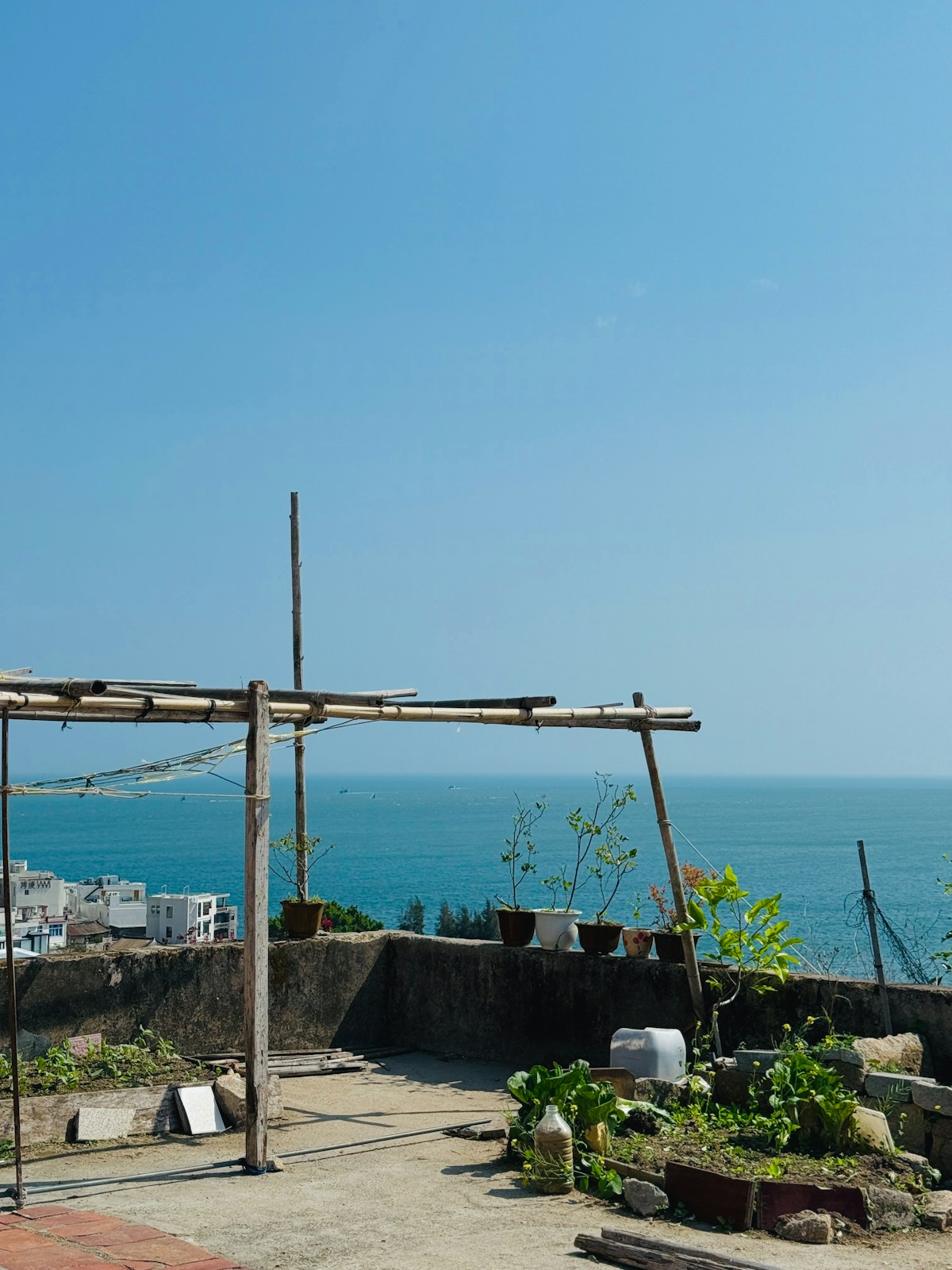
A terrace garden can produce 20–40 kg of vegetables per year from a 10 square metre space. The setup process requires addressing structural load, waterproofing, and drainage before a single seed goes in the ground.
What Structural Checks Must I Do Before Setting Up a Terrace Garden?
A terrace garden is a long-term installation that adds considerable weight to a rooftop or top-floor slab. Skipping structural assessment is the most common and most dangerous mistake in terrace garden setup.
Weight estimates for common terrace garden installations:
| Installation | Weight per m² (saturated) |
|---|---|
| Thin green roof substrate (10cm) | 100–130 kg/m² |
| Container garden (medium density) | 50–100 kg/m² |
| Raised bed (20cm depth, filled) | 180–220 kg/m² |
| Raised bed (40cm depth, filled) | 320–400 kg/m² |
| Water storage tank (500L) | 500 kg (point load) |
Most Indian residential buildings constructed after 2000 have roof slabs rated for 150–200 kg/m² live load, but this figure varies significantly with construction quality and age. Before installing any raised beds or heavy containers, consult a structural engineer or your building's contractor. This is especially important for buildings older than 20 years or those showing any visible cracking.
Practical weight reduction strategies:
- Use lightweight substrates: coir, perlite, vermiculite blends weigh 40–60% less than garden soil.
- Choose raised beds no deeper than 20cm for leafy greens and herbs — most vegetables need only 15–30cm of rooting depth.
- Position heavy installations (tanks, large beds) near load-bearing walls and columns, not in the centre of spans.
- Distribute weight across the maximum available area rather than concentrating it in one spot.
How Do I Protect the Roof from Water Damage?
Waterproofing is the second most critical structural consideration for terrace gardens. Constant moisture from irrigation and plant roots can penetrate concrete and eventually cause leaks into the living space below.
Waterproofing system (from slab surface upward):
- Repair layer: Fill any existing cracks with polymer-modified cement before applying waterproofing.
- Waterproofing membrane: Apply 2–3 coats of a crystalline waterproofing compound (Dr. Fixit, Fosroc Brushbond, or equivalent) or install a torch-applied bituminous membrane. The latter is more durable for heavy-duty terrace gardens.
- Protection layer: A thin cement screed or protection board over the membrane prevents puncture during installation.
- Drainage layer: A layer of gravel, drainage mat (dimple mat), or expanded clay (hydroton) allows water to move to drains rather than pooling.
- Root barrier: Geotextile fabric over the drainage layer prevents roots from clogging drains.
- Growing substrate: Your soil, coir, or other growing medium on top.
Ensure all floor drains are clear and functional before beginning. Add additional drain points if the existing drainage is insufficient — pooling water on a terrace is a structural risk.
Raised Beds vs Containers: Which is Better for a Terrace?
Both approaches work well, but they suit different garden scales and user preferences.
| Factor | Raised Beds | Containers |
|---|---|---|
| Setup cost | Higher (materials + labour) | Lower |
| Flexibility | Fixed once installed | Rearrangeable |
| Weight distribution | Continuous, spreads load | Concentrated at pot feet |
| Root volume | Large (better for fruiting crops) | Limited by pot size |
| Water retention | Better | Dries out faster |
| Structural risk | Higher (must plan carefully) | Lower |
| Best crops | Tomatoes, brinjal, gourds, root veg | Herbs, lettuce, microgreens |
Recommended terrace layout for a 10m² space:
- 2× raised beds (2m × 0.6m × 0.2m) for tomatoes, chillies, and beans — positioned along load-bearing walls.
- 6–8 containers (15–25 litre capacity) for herbs, salad greens, and radishes.
- 1 compact water tank (100–200 litres) for rainwater harvesting — positioned at a structural support point.
- Walkway space (at least 60cm) between all beds for maintenance access.
How Do I Manage Shade and Sun on an Indian Terrace?
Indian terraces face a specific climate challenge: intense summer heat (often above 40°C in northern and central India) followed by monsoon season with reduced sunlight. Managing these extremes is essential for year-round productivity.
Summer shade management:
- Install a shade net (50% density, UV-stabilised, green or black) above the garden on a simple bamboo or GI pipe frame. A 50% shade net reduces temperature under the net by 5–8°C and prevents soil moisture from evaporating too rapidly.
- Choose heat-tolerant varieties for summer growing: Amaranth (chaulai), moringa (drumstick), ridge gourd, bitter gourd, cluster beans, and sweet potato thrive in Indian summer conditions.
- Mulch all containers and raised beds with dry straw, coconut husk, or dry leaves to reduce soil temperature and slow evaporation.
Monsoon management:
- Elevate all containers on pot feet or bricks to prevent waterlogging during heavy rains.
- Install overflow holes in raised beds if drainage is slow.
- Focus on crops that benefit from the cooler, wetter monsoon conditions: gourds, beans, brinjal, tomatoes (sow June–July for September–October harvest).
- Remove shade netting once monsoon rains reduce intensity — plants need maximum light during overcast weather.
Winter (North India) and dry season (South India):
- North Indian winters (December–February) allow cool-season crops: peas, carrots, coriander, fenugreek, spinach, cauliflower, cabbage.
- South Indian summers are productive year-round but require water management — drip irrigation or self-watering containers reduce manual effort.
Regional crop calendar quick reference:
| Season | North India | South India |
|---|---|---|
| Summer (Mar–Jun) | Gourds, chillies, okra | All year crops + gourds |
| Monsoon (Jul–Sep) | Tomatoes, beans, brinjal | Gourds, beans |
| Winter (Oct–Feb) | Peas, root veg, leafy greens | Tomatoes, peppers, herbs |
Frequently Asked Questions
How do I get my housing society's permission to set up a terrace garden?
What is the best substrate for raised beds on an Indian terrace?
Can I harvest rainwater on my terrace for irrigation?
Some links in this article are affiliate links. If you purchase through them, we may earn a small commission — at no extra cost to you.
 General Hydroponics Flora Series (FloraGro, FloraBloom, FloraMicro)
 Apera Instruments PC60 pH/EC/TDS/Temp Meter
 GROWNEER 50-Pack 2-Inch Slotted Mesh Net PotsGeneral Hydroponics Flora Series 3-Part Nutrient System (1 qt each)
 General Hydroponics pH Control Kit (pH Up, pH Down, Test Indicator)Apera Instruments PC60 pH/EC/TDS/Temp Meter
 GRODAN A-OK Rockwool Starter Cubes (1.5-inch, Sheet of 98 Plugs)GROWNEER 50-Pack 2-Inch Slotted Mesh Net PotsGeneral Hydroponics pH Control Kit (pH Up, pH Down, Test Indicator)