Quick Answer
A balcony as small as 4 square metres can produce a meaningful supply of herbs, salad greens, and compact vegetables year-round. The keys are managing weight, wind, and sunlight orientation before you plant anything. --- What Are the Weight and Safety Limits for a Balcony Garden? Before placing any containers on a balcony, you must understand its structural load capacity.…
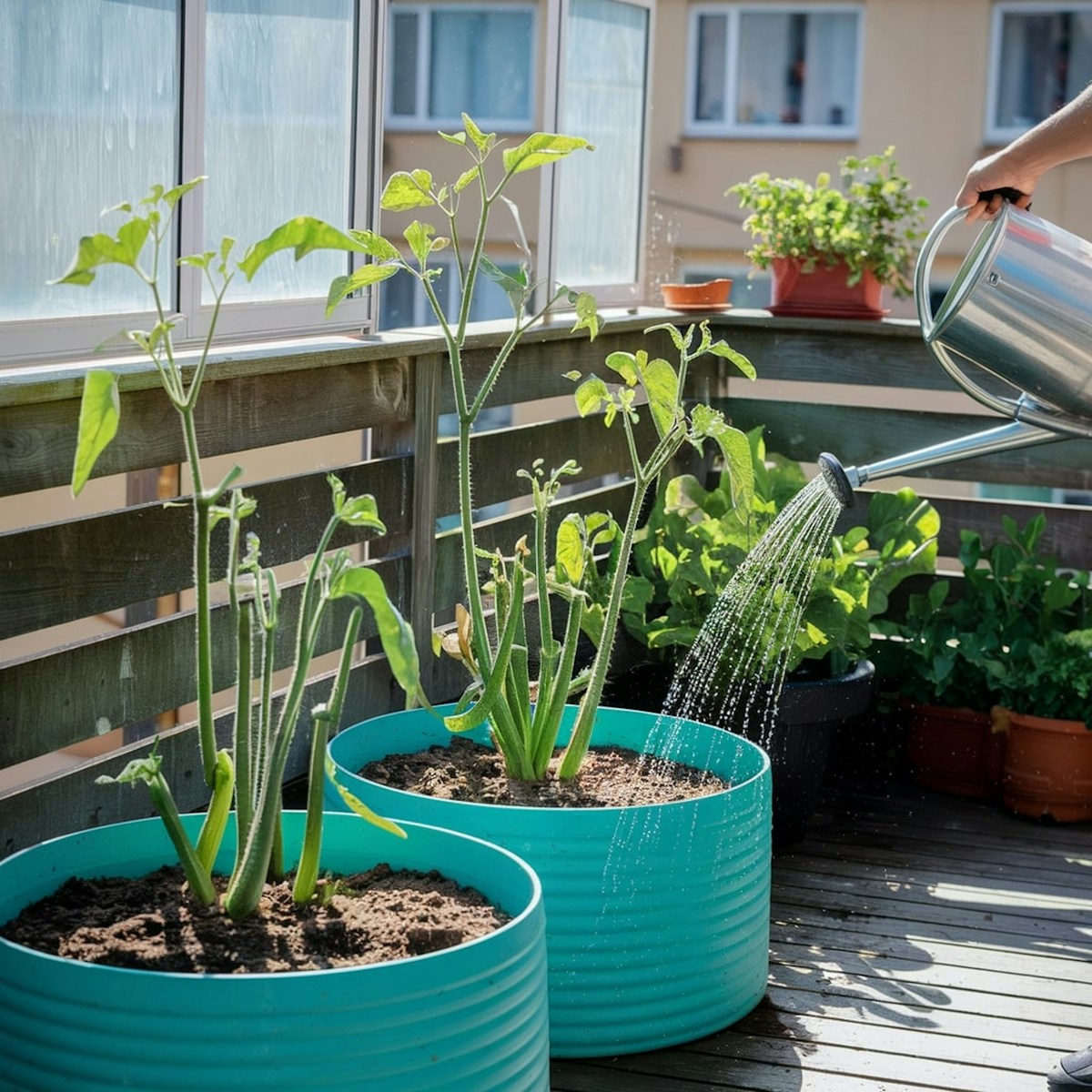
A balcony as small as 4 square metres can produce a meaningful supply of herbs, salad greens, and compact vegetables year-round. The keys are managing weight, wind, and sunlight orientation before you plant anything.
What Are the Weight and Safety Limits for a Balcony Garden?
Before placing any containers on a balcony, you must understand its structural load capacity. This is a safety-critical step that many beginner balcony farmers skip.
Typical balcony load capacities:
| Building Type | Typical Live Load Capacity |
|---|---|
| Modern apartment (concrete slab) | 150–300 kg/m² |
| Older construction (pre-1990) | 100–200 kg/m² |
| Cantilevered balconies | 150–250 kg/m² (consult structural engineer) |
| Lightweight steel/timber balconies | 50–150 kg/m² |
Wet soil is heavy. A standard 40cm diameter terracotta pot filled with saturated potting mix weighs approximately 15–20 kg. Five such pots equal 75–100 kg on a 1m² area near the railing — potentially exceeding the load rating of older buildings.
Practical guidelines:
- Place heavy containers against the wall or in corners, not at the railing edge.
- Use lightweight alternatives: fabric grow bags (1–3 kg empty), polystyrene foam boxes, fibreglass containers.
- Opt for coir-perlite or perlite-only substrates in hydroponic containers — they are 40–60% lighter than loam-based potting mixes.
- If in doubt, contact your building manager or a structural engineer. Most will give informal guidance quickly.
How Does Sun Orientation Affect What You Can Grow?
The direction your balcony faces is the single most important factor in determining which crops will thrive — more important than your container choice or nutrient brand.
South-facing balcony (northern hemisphere) / North-facing (southern hemisphere): The optimal orientation. Receives 6–8+ hours of direct sun during summer. Suitable for: tomatoes, peppers, chillies, cucumbers, aubergine, basil, most herbs, and fruiting crops.
East-facing balcony: Morning sun, afternoon shade. Receives 4–6 hours of direct sun. Suitable for: lettuce (which actually benefits from afternoon shade in hot climates), herbs, spinach, leafy greens, peas, beans, and strawberries.
West-facing balcony: Afternoon sun, morning shade. Receives 4–6 hours of direct sun. Suitable for: similar to east-facing but afternoon heat can be more intense — shade-tolerant greens can suffer from sun scorch in summer. Use shade cloth (30–40% density) in peak summer months.
North-facing balcony (northern hemisphere) / South-facing (southern hemisphere): The most challenging orientation. Direct sun is limited or absent. Best crops: microgreens (which can thrive under artificial light alone), mint, chives, parsley, spinach, and watercress. Grow lights become more necessary here — a 20W full-spectrum LED strip positioned 15–20 cm above the plant canopy compensates reasonably well.
Which Containers Work Best on a Balcony?
Container selection on a balcony involves trade-offs between weight, durability, aesthetics, and water retention.
| Container Type | Weight (empty) | Durability | Best For |
|---|---|---|---|
| Terracotta pot | Heavy | 5–10 years | Herbs, small shrubs |
| Glazed ceramic | Heavy | 10+ years | Statement plants |
| Plastic pot | Light | 2–5 years | General use |
| Fabric grow bag | Very light | 2–3 seasons | Tomatoes, peppers, potatoes |
| Polystyrene box | Very light | 1–2 seasons | Salad greens, seedlings |
| Fibreglass / resin | Light | 5–10 years | Large displays |
| Wooden crate (lined) | Moderate | 3–5 years | Raised bed style |
Railing planters are useful for maximising space but must be rated for your railing gauge and secured with hooks, not just rested. Choose lightweight plastic or fibreglass railing planters (under 5 kg when full). Self-watering railing planters with built-in reservoirs reduce the frequency of watering significantly.
Vertical wall systems (felt pocket planters or PVC pipe towers) are excellent for maximising a small balcony footprint. A 1m² felt wall planter can hold 20–30 individual herb pockets.
How Do I Protect Plants from Wind on a Balcony?
Wind is underestimated by most new balcony farmers. Above the third or fourth floor of a building, wind speeds increase substantially and can dehydrate plants, break stems, and topple containers.
Wind protection strategies:
-
Bamboo or reed screening: Attach bamboo screening to the railing to create a permeable wind barrier. Aim for 50–60% porosity — completely solid screens can actually increase turbulence by creating vortices behind them.
-
Strategic container placement: Use taller, heavier containers or shelving units as a windbreak for smaller, fragile plants positioned behind them.
-
Companion grouping: Cluster containers together so plants shelter each other. This also reduces water loss through a microclimate effect.
-
Staking: Any plant taller than 40cm should be staked to a bamboo cane or metal rod. Use soft ties (silicone plant ties or strips of old t-shirt fabric) rather than wire that can cut stems.
-
Plant selection for windy balconies: Choose compact, low-growing, and flexible-stemmed plants. Avoid tall fruiting crops above the 8th floor without substantial windbreaks. Dwarf tomato varieties (Tumbling Tom, Micro Tom) and prostrate rosemary handle wind far better than standard varieties.
How Do I Water Plants When I Am Away on Holiday?
Balcony containers dry out faster than ground-level gardens due to wind and reduced humidity. If you are away for more than two days, your plants need a watering solution.
Self-watering containers with built-in reservoirs (sub-irrigation planters) hold 2–5 litres of water in a bottom reservoir that plants draw from via capillary action. Well-planted containers can go 5–10 days without refilling depending on weather.
DIY drip bottles: Insert an inverted plastic bottle (with a small hole in the cap) into the soil. The soil draws water slowly by capillary action as it dries. A 1-litre bottle lasts 2–5 days depending on container size and temperature.
Drip irrigation timers: Battery-powered drip timer kits (£15–£30) connect to a garden tap and can be programmed to water for 5–30 minutes once or twice daily. Combine with a manifold drip system to cover all containers. This is the most reliable option for trips of more than 5 days.
Ask a neighbour: For trips under a week, grouping all containers in the shadiest part of the balcony and asking a neighbour to water every other day is often the simplest solution.
Frequently Asked Questions
My balcony only gets 3 hours of direct sun daily. Is it worth growing food there?
Can I grow tomatoes in containers on a high-rise balcony?
How do I prevent my balcony containers from staining the floor when I water?
Some links in this article are affiliate links. If you purchase through them, we may earn a small commission — at no extra cost to you.
 General Hydroponics Flora Series 3-Part Nutrient System (1 qt each)
 General Hydroponics pH Control Kit (pH Up, pH Down, Test Indicator)
 Apera Instruments PC60 pH/EC/TDS/Temp Meter
 GROWNEER 50-Pack 2-Inch Slotted Mesh Net PotsGeneral Hydroponics pH Control Kit (pH Up, pH Down, Test Indicator)
 BN-LINK Short Period Repeat Cycle Intermittent Timer
 AeroGarden Harvest Elite (6-pod)General Hydroponics Flora Series 3-Part Nutrient System (1 qt each)GROWNEER 50-Pack 2-Inch Slotted Mesh Net Pots