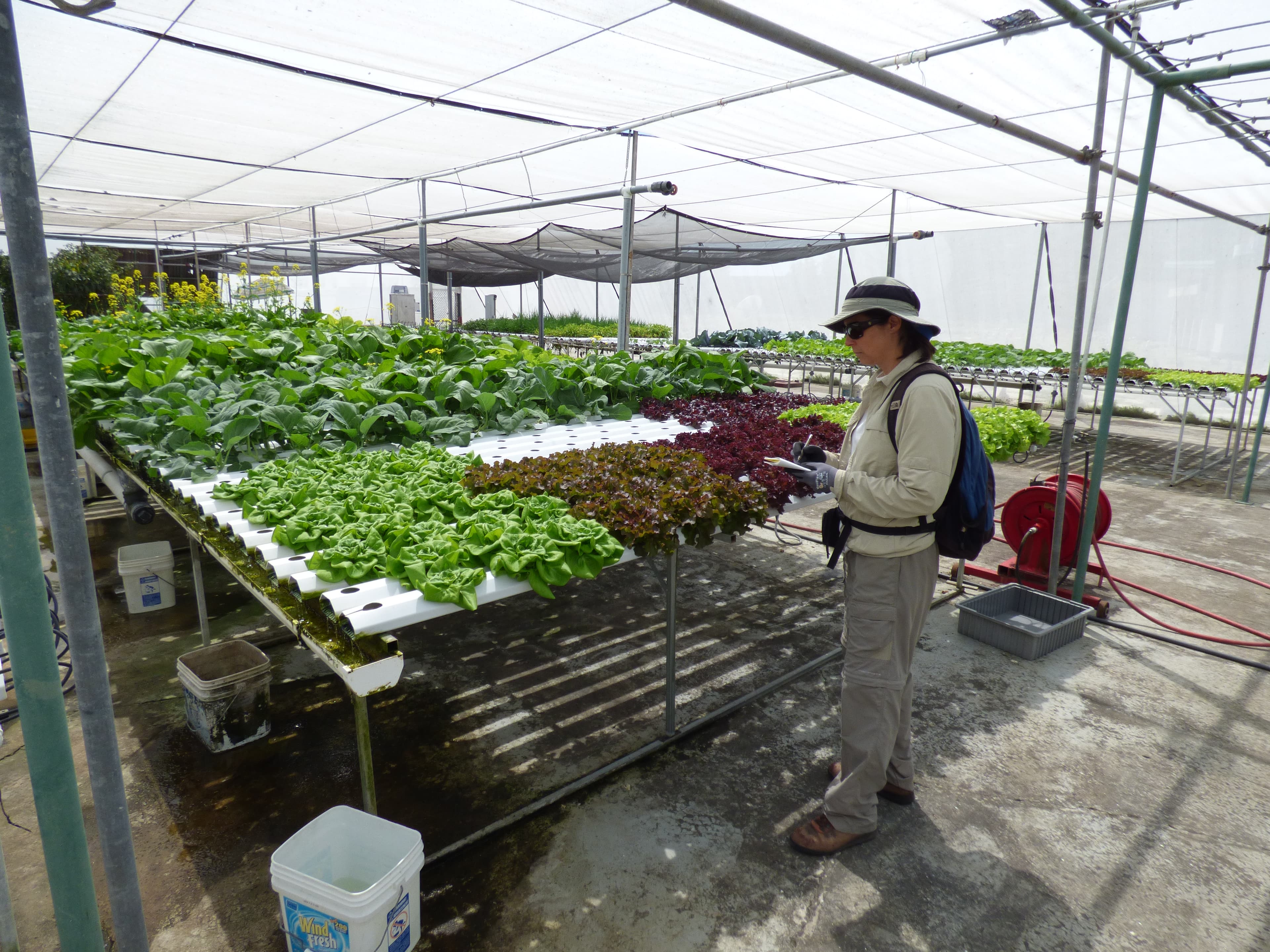
You can start growing food at home for under £50. A basic Kratky jar setup, upcycled bottle containers, and a packet of seeds are all you need to harvest your first greens within three weeks.
What Can £50 Actually Buy You?
The biggest myth in urban farming is that you need expensive equipment to get started. A £50 budget is genuinely enough to produce your first harvest of salad greens, herbs, or radishes. Here is a realistic breakdown of how to spend that money:
| Item | Approximate Cost |
|---|---|
| 3× mason jars or repurposed bottles | £0–£5 (upcycled) |
| Hydroponic nutrient starter kit (500ml) | £8–£12 |
| Seed packet assortment (lettuce, basil, radish) | £3–£6 |
| Net cups (pack of 10) | £2–£4 |
| Hydroton clay pebbles (1L bag) | £4–£7 |
| Rockwool starter cubes (small pack) | £4–£6 |
| pH test strips | £3–£5 |
| Total | £24–£45 |
This leaves you £5–£26 in reserve for a second planting cycle or to expand to a second container. The key insight is that most of the cost is one-time — seeds and nutrients are consumables, but your jars and cups last for years.
How Does the Kratky Jar System Work?
The Kratky method is the single most accessible starting point for budget urban farming. It is a passive, non-circulating hydroponics technique developed by B.A. Kratky at the University of Hawaii. There is no pump, no electricity, and no timer required.
Setup steps:
- Take a mason jar or any opaque container (paint or wrap a clear jar to block light and prevent algae).
- Cut a hole in the lid sized to fit your net cup snugly — roughly 50mm for standard net cups.
- Fill the jar with diluted nutrient solution, leaving a 2–3 cm air gap between the solution surface and the bottom of the net cup.
- Place a rockwool cube containing a germinated seedling into the net cup.
- As the plant grows, it consumes the solution and the air gap naturally increases, providing oxygen to roots.
- Top up only after 50–70% of the solution is consumed.
A single 1-litre mason jar will grow one lettuce plant from seedling to harvest-ready in 25–35 days. A 2-litre jar handles larger plants like small basil bushes.
Can I Use Plastic Bottles Instead of Buying Containers?
Absolutely — plastic bottle farming is one of the most cost-effective approaches available. Two-litre soft drink bottles can be repurposed in two configurations:
Horizontal bottle planter (soil-based): Cut the bottle lengthwise, punch drainage holes, fill with potting mix, and plant directly. Ideal for strawberries, lettuce, and herbs. Hang four to six bottles vertically in a window using twine for a wall garden that costs almost nothing.
Vertical Kratky bottle: Cut the top third off a bottle, invert it into the bottom section (it acts as a self-watering reservoir), and plant in coir or perlite. This works well for basil and mint.
The trade-off is that bottles are less durable than proper containers and need replacing after one or two seasons. Avoid using bottles that previously contained bleach or detergent — residues can harm plants.
How Much Do Seeds and Nutrients Cost Per Harvest?
Once your initial setup is in place, the recurring cost per harvest cycle is very low:
- Seeds: A single packet of lettuce seeds (£2–£3) contains 200–500 seeds. At a density of one plant per jar, you will get 200+ harvests from one packet, costing less than £0.02 per plant.
- Nutrients: A 500ml bottle of two-part hydroponics nutrient concentrate (such as a budget brand from Amazon India or AliExpress) costs £8–£12 and makes approximately 200 litres of nutrient solution. At 1 litre per jar per grow cycle, that is 200 jar-fills — roughly £0.05 per jar per cycle.
- Total consumable cost per harvest: Under £0.10 per plant.
After your initial £50 investment, you are producing food for effectively the cost of water and electricity (if using grow lights). For window-sill growers in well-lit apartments, even the electricity cost is zero.
What Should I Skip When Starting Out?
Avoid these common budget mistakes:
- Expensive grow tents: Unnecessary for herbs and lettuce in a sunny window.
- pH meters (electronic): pH test strips work fine for beginners and cost £3 vs £30+.
- Branded nutrient lines: Generic two-part nutrients deliver the same macronutrients at a fraction of the price.
- Multiple growing systems simultaneously: Master one jar before buying five more.
Starting small and scaling once you understand your plants' needs will save you far more money than buying discounted equipment upfront.