Quick Answer
Hydroponic drip systems deliver nutrient solution directly to each plant's root zone through small drip emitters on a timer. They are forgiving, scalable, and easy to understand — making them an excellent first hydroponic system for beginners growing tomatoes, peppers, or herbs. --- What is a hydroponic drip system and why is it good for beginners? A hydroponic drip system…
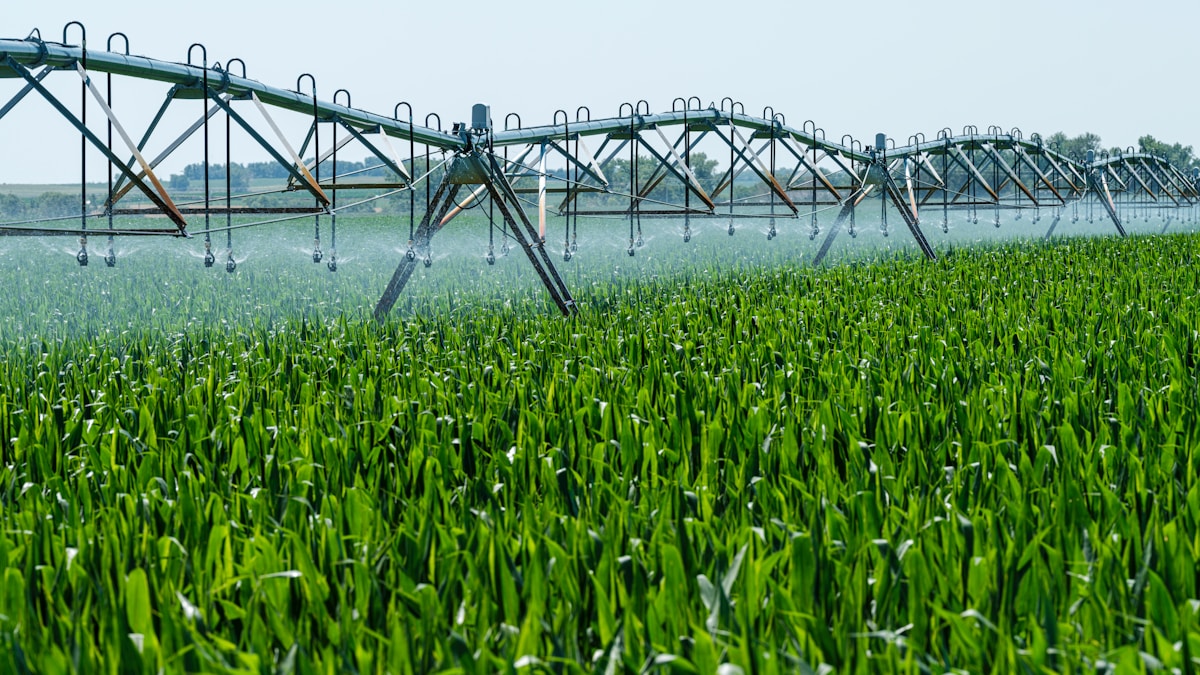
Hydroponic drip systems deliver nutrient solution directly to each plant's root zone through small drip emitters on a timer. They are forgiving, scalable, and easy to understand — making them an excellent first hydroponic system for beginners growing tomatoes, peppers, or herbs.
What is a hydroponic drip system and why is it good for beginners?
A hydroponic drip system delivers nutrient solution through thin tubing to individual drip emitters placed near the base of each plant. A timer-controlled pump pushes solution from a reservoir through a main supply line, which branches into smaller tubes leading to each emitter. The emitter drips solution slowly onto the growing medium — typically clay pebbles, coco coir, or rockwool — which distributes moisture down through the root zone.
The appeal for beginners is familiarity. Drip irrigation works similarly to how you might water potted plants, just automated and nutrient-enriched. Unlike DWC where roots hang in liquid, or NFT where a precise film thickness must be maintained, drip systems are visually intuitive. You can see water dripping, observe if emitters are blocked, and easily adjust or expand the system by adding more drip lines.
Drip systems are also among the most scalable hydroponic methods. A beginner can start with a two-plant system in a 20-litre reservoir and expand to twenty plants over time by adding emitters and upgrading the pump. Commercial tomato and cucumber operations worldwide use large-scale drip systems because they offer precise, individualised feeding with very low maintenance overhead once set up correctly.
There are two configurations: recirculating (recovery) and run-to-waste. In recirculating systems, excess nutrient solution drains from growing containers back into the reservoir for reuse. In run-to-waste systems, excess solution drains to disposal. Beginners are usually better served by recirculating systems because they conserve nutrients and water, though run-to-waste avoids the pH and EC drift that can occur when the reservoir gradually changes composition as plants uptake selectively.
What equipment do you need to set up a basic drip system?
The core components are straightforward: a reservoir (20–50 litres for a small system), a submersible pump (rated at 300–500 l/h for most home setups), a digital timer, main supply tubing (13 mm diameter is common), smaller distribution tubing (6–8 mm), and individual drip emitters. Drip emitters come in adjustable and fixed flow rates; adjustable emitters (0.5–8 l/h range) give beginners more flexibility while learning the right delivery rate for each crop.
For growing containers, 10–15 litre pots filled with clay pebbles or coco coir are typical for fruiting plants like tomatoes and peppers. Smaller 3–5 litre containers suit herbs and leafy greens. Each container needs a small hole or fitting at the bottom to allow excess solution to drain back to the reservoir in a recirculating setup.
Install a manifold — a larger-diameter tube with multiple outlets along its length — from the main pump supply. Attach individual drip lines to each manifold outlet and run them to the drip emitters in each container. Secure emitters near plant stems with emitter stakes so drips fall directly onto the growing medium near roots rather than onto the container edge.
Trays under containers catch any overflow and channel it back to the reservoir through a return line. Keep return lines as short and smooth as possible — sharp bends trap debris and restrict flow. Use a y-filter or inline mesh filter on the pump intake to catch plant debris and prevent clogging.
How do you set the timer and drip frequency for different plants?
Timer scheduling in drip hydroponics depends on three factors: the water-holding capacity of your growing medium, the size and growth stage of your plants, and the ambient temperature and humidity. Clay pebbles dry out quickly and need more frequent drip cycles; coco coir and rockwool hold moisture longer and need less frequent watering.
A common starting schedule for clay pebbles is 15 minutes on, 45 minutes off, repeated throughout the day. Check moisture levels by feeling the medium 2–3 cm below the surface — it should feel moist but not saturated. In hot weather with strong grow lights, you may need 15 minutes on, 30 minutes off. In cooler conditions or during darker winter days, 15 minutes on, 90 minutes off may be sufficient.
Many growers stop drip cycles during the dark period (lights off). Roots still absorb residual moisture in the medium during darkness, and running the pump when lights are off can lead to over-watering and root oxygen deprivation. Use a digital timer that allows you to programme active windows — for example, only allowing drip cycles between 6 am and 10 pm.
Seedlings and young transplants need gentler, less frequent cycles than mature plants. Start new plants on 15 minutes every 2 hours and reduce the gap as they grow and you observe how quickly the medium dries out. A mature fruiting tomato plant in summer may require 15 minutes every 30–40 minutes during peak growth. Keeping a simple log of your timer settings alongside plant growth observations is the fastest way to develop intuition for your specific setup.
What are the most common mistakes beginners make with drip systems?
Clogged emitters are the most frequent beginner problem. Nutrient salt crystals accumulate inside small emitter orifices, reducing or stopping flow. Check emitters weekly by observing the drip rate — a dramatically slowed drip indicates blockage. Soak clogged emitters in warm water with a small amount of white vinegar for 30 minutes, then rinse under running water. Prevent future blockages by flushing the entire system with plain pH-adjusted water for 30 minutes once a week.
Inconsistent flow across multiple plants is a close second. If one plant receives significantly more or less solution than its neighbours, growth rates diverge quickly. Test flow from each emitter individually by placing each emitter into a measuring jug for 5 minutes and comparing volumes. Emitters should deliver within 10–15% of each other. Replace emitters that perform outside this range; they are inexpensive and not worth adjusting indefinitely.
Over-watering is counterintuitive in hydroponics but genuinely possible with drip systems. When the growing medium stays permanently saturated, roots cannot access oxygen between cycles and begin to deteriorate. If you observe wilting despite wet growing medium, suspect root oxygen deprivation. Reduce drip frequency and check that drainage holes are not blocked.
Ignoring reservoir levels is a common oversight. As plants transpire, water leaves the system faster than nutrients (plants absorb water more readily than dissolved salts at most growth stages). This concentrates the remaining nutrient solution, raising EC and potentially stressing plants. Check the reservoir level daily and top up with plain pH-adjusted water. When the volume has dropped by 30–40%, do a complete reservoir change with fresh nutrient solution.
Frequently Asked Questions
Do I need a pump timer, or can I run the pump continuously?
What is the difference between a drip system and a standard ebb and flow?
Can I use a drip system outdoors in a greenhouse or polytunnel?
Some links in this article are affiliate links. If you purchase through them, we may earn a small commission — at no extra cost to you.
 General Hydroponics Flora Series 3-Part Nutrient System (1 qt each)
 General Hydroponics pH Control Kit (pH Up, pH Down, Test Indicator)
 VIVOSUN 317GPH Commercial Air Pump (6-outlet)
 VIVOSUN DWC Hydroponics Grow System with Top Drip Kit (4-Bucket)VIVOSUN 317GPH Commercial Air Pump (6-outlet)
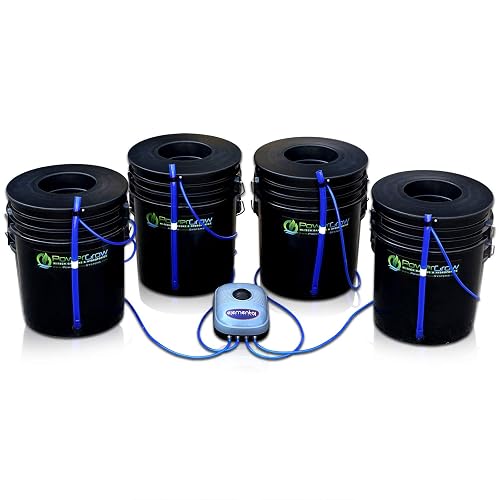 PowerGrow Systems DWC Hydroponic Bubbler Bucket Kit (4×5 Gal)General Hydroponics pH Control Kit (pH Up, pH Down, Test Indicator)
 Bluelab Truncheon Nutrient Meter (EC/TDS/CF)
 PGN Clay Pebbles for Hydroponics (10 Liters, pH Neutral LECA)

