Quick Answer
Hydroponic lettuce is the ideal beginner crop: it germinates in 3–5 days, tolerates pH 5.5–6.5 and EC as low as 0.8, and produces full heads in 28–35 days. Cut-and-come-again harvesting means one planting can yield three or more flushes. --- Why is lettuce the ideal first soilless crop? Lettuce ( Lactuca sativa ) has earned its status as the canonical…
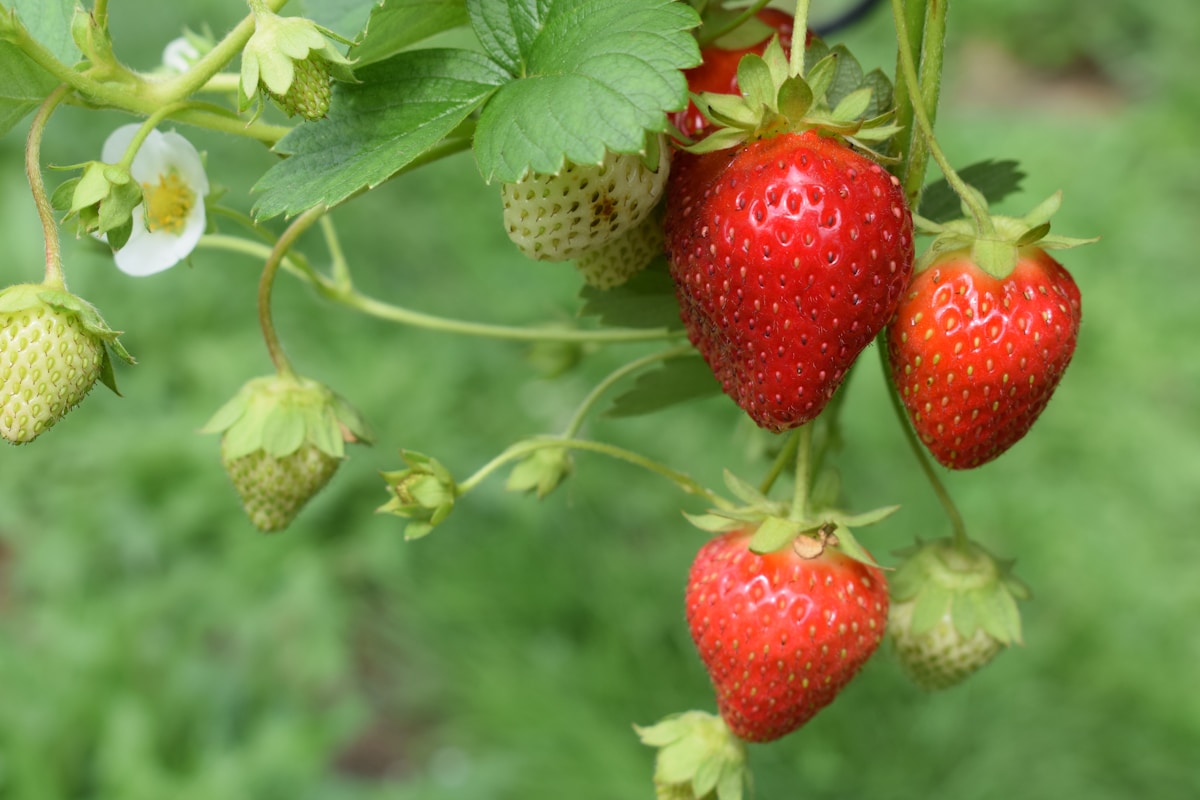
Hydroponic lettuce is the ideal beginner crop: it germinates in 3–5 days, tolerates pH 5.5–6.5 and EC as low as 0.8, and produces full heads in 28–35 days. Cut-and-come-again harvesting means one planting can yield three or more flushes.
Why is lettuce the ideal first soilless crop?
Lettuce (Lactuca sativa) has earned its status as the canonical beginner hydroponic crop for well-documented reasons. Its root system is shallow and fibrous — it asks nothing more of a system than consistent moisture, modest nutrients, and reliable light. Unlike fruiting crops, it tolerates EC swings, brief pH drifts, and temperature fluctuations without immediately expressing stress.
The commercial case is equally compelling: hydroponic lettuce now accounts for the majority of indoor-grown leafy greens globally. Operations ranging from Kratky mason jars to multi-acre vertical farms share the same fundamental biology. Mastering lettuce gives you transferable skills for every other crop.
Variety choice matters. Loose-leaf types (oakleaf, lollo rosso, green leaf) are fastest and most forgiving. Butterhead (Boston, Bibb) takes 35–45 days but produces dense, sweet heads. Romaine is more upright, slightly slower, and excellent for succession planting. Avoid iceberg for soilless systems — its large head size and slow development make it inefficient.
How do you sow lettuce for a soilless system?
Lettuce seed is tiny (roughly 800 seeds per gram) and germinates readily between 15–24°C. Above 26°C, germination rates drop sharply — this thermal dormancy is called thermodormancy and is a common beginner frustration in warm climates.
Sowing steps:
- Pre-soak rockwool cubes or rapid rooter plugs in pH-adjusted water (5.5–6.0) for 30 minutes. Squeeze out excess — waterlogged media inhibits oxygen uptake.
- Drop 2–3 seeds per cube, approximately 3 mm deep. Do not cover with additional media.
- Place in a humidity dome at 18–22°C. Light is not yet required — lettuce seed germinates in darkness.
- Check daily. Germination appears in 3–5 days. Remove the humidity dome once cotyledons emerge.
- Introduce light immediately after germination: 100–150 PPFD for 16–18 hours prevents etiolation (stretching toward light).
Thin to one seedling per cube at day 5–7 by snipping, not pulling — removing with roots disturbs neighbours.
How do you nurture lettuce seedlings before transplant?
The seedling phase runs from germination to the appearance of the first true leaf — typically days 7–14. During this window:
- EC: Keep at 0.4–0.8 mS/cm. Seedlings have limited root surface area and are susceptible to nutrient burn at higher concentrations. Use a diluted seedling-specific formula or half-strength general purpose hydroponic nutrient.
- pH: 5.5–6.2. This range keeps all essential nutrients available and prevents iron lockout, which presents as pale new growth.
- Temperature: 18–22°C is optimal. Cooler promotes compact, dense growth; warmer risks leggy development.
- Light: Ramp to 200 PPFD over the first week. Seedlings under strong light before roots are established can wilt despite adequate moisture.
Transplant when the first true leaf is fully expanded and roots are visible at the bottom of the cube (typically day 12–16). Do not transplant earlier — underdeveloped roots struggle to bridge the gap to the nutrient solution.
How do you care for lettuce during vegetative growth?
Once transplanted into your system — DWC, Kratky, or NFT — lettuce enters its main growth phase and doubles in size roughly every 5–7 days under optimal conditions.
EC and nutrients: Raise EC to 1.0–1.6 mS/cm after transplant. Lettuce is a light feeder; exceeding 2.0 mS/cm causes tip burn (necrosis of leaf margins due to calcium deficiency at the growing point — a distribution problem, not a supply problem). Increase airflow and lower humidity to reduce tip burn incidence.
Temperature: The single most important variable. Keep air temperature below 24°C. Above this threshold, lettuce initiates bolting — the shift from vegetative rosette growth to reproductive stem elongation. Bolted lettuce becomes bitter and unusable within days. If growing in summer, choose heat-tolerant varieties ("Nevada", "Jericho", "Sierra") and ensure night temperatures drop.
Daily Light Integral (DLI): Target 12–17 mol/m²/day for most lettuce varieties. Under-lit lettuce is pale and loose; over-lit lettuce shows bleaching and can bolt faster.
Water temperature: Keep reservoir at 18–22°C. Warmer water holds less dissolved oxygen and accelerates bacterial growth.
How do you harvest lettuce from a soilless system?
Lettuce offers two harvesting strategies, each with distinct yield profiles:
Whole-head harvest: Cut the entire plant at the base when it reaches target size (typically 150–250g for loose-leaf, 300–500g for butterhead). Clean, simple, and suitable for Kratky systems where you'll restart with new seedlings.
Cut-and-come-again (CACA): Remove outer leaves and the growing tip, leaving 5–8 cm of stem with remaining inner leaves. The plant regenerates from the crown. This can be repeated 2–4 times, extending productive life to 60–90 days from a single transplant. Best suited to loose-leaf varieties in DWC or NFT where roots remain undisturbed.
Succession planting is the key to continuous supply: stagger plantings 7–10 days apart. With 3–4 containers, you can harvest weekly.
Post-harvest, store at 2–4°C in a sealed bag. Hydroponic lettuce without soil attached lasts 10–14 days refrigerated — longer than field-grown due to absence of soil microbes.
What nutritional value does soilless lettuce provide?
Lettuce is primarily a micronutrient delivery vehicle rather than a caloric food. Its value lies in vitamins and phytonutrients at very low caloric cost.
| Nutrient | Per 100g Raw Romaine | % Daily Value | Notes |
|---|---|---|---|
| Vitamin K | 102 µg | 85% | Essential for coagulation and bone metabolism |
| Vitamin A (as β-carotene) | 436 µg RAE | 48% | Higher in red-leaf and romaine varieties |
| Folate (B9) | 136 µg | 34% | Critical for cell division; higher in darker leaf types |
| Vitamin C | 24 mg | 27% | Degrades rapidly — soilless fresh-harvest advantage is significant |
| Potassium | 247 mg | 5% | Supports blood pressure regulation |
| Calcium | 33 mg | 3% | Low bioavailability due to oxalate interaction |
Hydroponic versus soil comparison: A 2019 study published in HortScience found that hydroponic romaine grown under LED lighting had 18% higher folate and comparable vitamin K and C to soil-grown controls harvested the same day. The primary nutritional advantage of home-grown soilless lettuce is freshness: vitamin C content in lettuce declines by 15–50% within 3 days of harvest at room temperature.
Frequently Asked Questions
Why does hydroponic lettuce taste bitter?
What is the best hydroponic system for lettuce?
Can lettuce regrow after cutting?
Some links in this article are affiliate links. If you purchase through them, we may earn a small commission — at no extra cost to you.
 General Hydroponics Flora Series 3-Part Nutrient System (1 qt each)
 General Hydroponics pH Control Kit (pH Up, pH Down, Test Indicator)
 INKBIRD WiFi Thermometer Hygrometer IBS-TH5 (9-in-1, 2-Year Data Storage)
 AeroGarden Harvest Elite (6-pod)General Hydroponics Flora Series 3-Part Nutrient System (1 qt each)
 GROWNEER 50-Pack 2-Inch Slotted Mesh Net PotsGeneral Hydroponics pH Control Kit (pH Up, pH Down, Test Indicator)
 Bluelab Truncheon Nutrient Meter (EC/TDS/CF)
 PGN Clay Pebbles for Hydroponics (10 Liters, pH Neutral LECA)