Quick Answer
Hydroponic spinach grows at 10–20°C with EC 0.8–1.6 and pH 6.0–7.0, producing harvestable leaves in 35–45 days. It is one of the most nutrient-dense crops per unit area — but is highly bolt-sensitive above 18°C and requires careful temperature and photoperiod management. --- What makes spinach a distinct challenge in soilless growing? Spinach ( Spinacia oleracea ) is a nutritional…
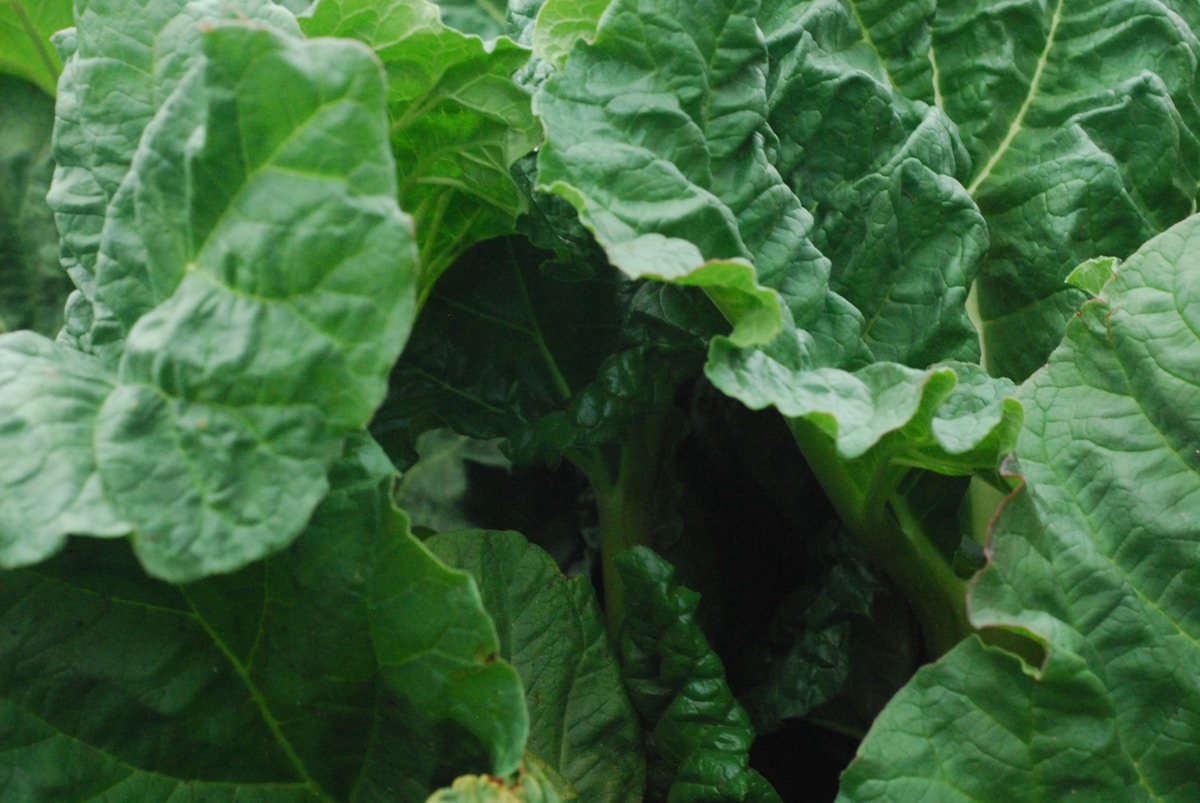
Hydroponic spinach grows at 10–20°C with EC 0.8–1.6 and pH 6.0–7.0, producing harvestable leaves in 35–45 days. It is one of the most nutrient-dense crops per unit area — but is highly bolt-sensitive above 18°C and requires careful temperature and photoperiod management.
What makes spinach a distinct challenge in soilless growing?
Spinach (Spinacia oleracea) is a nutritional powerhouse — iron, calcium, magnesium, folate, and vitamins K and A in concentrations that rival supplements — but it is arguably the most environment-sensitive of the common soilless greens. Where lettuce tolerates a wide range of conditions, spinach is unforgiving about temperature and daylength.
The core challenge is bolting. Spinach is a long-day plant: when day length exceeds 14 hours (or when temperatures rise above 18–20°C), it switches from vegetative growth to reproductive mode, sending up a flower stalk within days. Once this switch is triggered, the leaves become bitter and the crop is essentially lost. Managing bolting risk is the central skill in hydroponic spinach production.
Despite this challenge, spinach is worth growing soillessly. Its shallow root system suits compact systems, its nitrogen requirements are modest, and its cool-temperature preference makes it ideal for winter growing when heating demands are lower than in summer and leafy-crop production can be timed around temperature windows.
How do you sow spinach seeds for a soilless system?
Spinach seed has a hard outer coat that can benefit from pre-treatment for faster, more uniform germination.
Seed preparation:
- Soaking: Soak seeds in pH-adjusted water (6.0–6.5) at room temperature for 12–24 hours before sowing. This softens the seed coat and accelerates germination.
- Cold stratification (for certain varieties, particularly Savoy types with crinkled leaves): Place soaked seeds in a damp paper towel in the refrigerator at 4–6°C for 48–72 hours before sowing. This mimics winter conditions and improves germination rate in seeds with deep dormancy.
Sowing steps:
- Place rockwool cubes or coco coir plugs in a seedling tray, pre-soaked in pH 6.2 water.
- Plant 1–2 seeds per cube at 1 cm depth.
- Maintain temperature at 10–18°C for germination — spinach germinates best cool. At 20°C, germination rates begin to fall; above 24°C, thermal dormancy significantly impairs germination.
- Germination occurs in 5–10 days at optimal temperature.
- Keep humidity dome on until emergence; remove immediately to prevent damping off.
How do you nurture spinach seedlings?
The seedling stage for spinach (days 5–20) is the period of highest vulnerability to both bolting triggers and root disease.
Nutrient parameters:
- EC: Start at 0.6–0.8 mS/cm for seedlings. Unlike lettuce and basil, spinach prefers slightly lower EC throughout its life cycle. Raising EC above 1.8 mS/cm causes tip burn and stunted growth.
- pH: 6.0–7.0 is the widest acceptable range; 6.5 is the optimal midpoint for spinach specifically (higher than most soilless crops). Spinach is more tolerant of near-neutral pH than most hydroponic plants.
Temperature management:
- Target 10–18°C throughout the growth cycle. Spinach grown cool produces denser, more compact leaves with higher mineral content.
- Below 10°C, growth slows substantially but does not stop — spinach is frost-tolerant in soil and will survive light cold in soilless systems.
- Keep grow space consistently cool; consider growing spinach in an unheated garage or basement in winter where temperatures naturally stay in the 10–15°C range.
Light:
- 200–400 PPFD, 10–12 hours per day. Critically: do not exceed 14 hours of light. Photoperiod above 14 hours is a bolting trigger independent of temperature.
- DLI target: 8–14 mol/m²/day. Unlike fruiting crops and basil, spinach does not benefit from very high light intensity.
Spacing: Spinach produces large, spreading leaves. Space plants at 20–25 cm centres to prevent competition and allow air circulation between plants.
How do you prevent bolting and care for spinach during growth?
Bolt prevention is the active, ongoing task in spinach cultivation — it is not a set-and-forget crop.
Temperature: The most reliable bolt prevention is keeping air temperature below 18°C. If your growing space warms in summer, use thermal curtains, run fans, and grow spinach only in cool months or in climate-controlled spaces.
Photoperiod control: Keep lights to a strict 12-hour cycle. Use a timer and blackout curtains or a grow tent to prevent light leakage extending the effective photoperiod.
Variety selection: Modern bolt-resistant varieties (Tyee, Avon, Space, Olympia) have been bred specifically for hydroponic conditions. They tolerate slightly warmer temperatures and longer days before bolting. Savoy types (wrinkled leaves, e.g., Bloomsdale) are more flavourful but bolt faster and are better suited to winter growing.
Iron supplementation: Spinach has higher iron requirements than lettuce. Use a nutrient formula that includes chelated iron (EDTA or DTPA chelated Fe) at 2–5 ppm iron. Yellowing between leaf veins on new growth (interveinal chlorosis) indicates iron deficiency — check pH first (iron becomes unavailable above pH 6.8) before adding iron.
How do you harvest spinach from a soilless system?
Two harvest strategies suit different situations:
Outer-leaf removal (continuous harvest): Remove the outermost 2–4 leaves per plant when they reach 8–12 cm length, leaving the inner growing crown intact. This extends productive life to 60–80 days. New leaves emerge from the crown within 7–10 days at 15°C. This method requires careful scissors technique — do not disturb the crown or submerged stem.
Whole-plant harvest: Harvest the entire plant when 6–7 true leaves are present and the largest outer leaves are 10–15 cm. Cut at the base of the stem above the net pot. This is cleaner, simpler, and the preferred method for succession-planted systems.
At harvest, spinach leaves should be deep green with no yellowing or tip burn. If the central stem has begun to elongate (bolting), harvest the whole plant immediately even if leaves are small — once bolting starts, leaf quality deteriorates rapidly.
What nutritional value does soilless spinach provide?
Spinach is among the most nutrient-dense foods per calorie of any commonly consumed vegetable.
| Nutrient | Per 100g Raw | % Daily Value | Notes |
|---|---|---|---|
| Vitamin K | 483 µg | 403% | Among the highest of any food; caution with anticoagulants |
| Folate (B9) | 194 µg | 49% | Critical for DNA synthesis and cell division |
| Vitamin A | 469 µg RAE | 52% | As β-carotene |
| Iron | 2.7 mg | 15% | Non-haem iron; absorbed 3–5× better with vitamin C |
| Calcium | 99 mg | 8% | Partially bound by oxalates — actual bioavailability ~5% |
| Magnesium | 79 mg | 19% | Among the highest of leafy greens |
| Vitamin C | 28 mg | 31% | Degrades rapidly; peak at harvest |
Oxalate note: Spinach is high in oxalic acid, which binds calcium and iron in the digestive tract, reducing their bioavailability. People with a history of calcium oxalate kidney stones should moderate spinach consumption. Cooking (blanching) reduces oxalate content by 30–60%.
Soilless versus soil comparison: Studies have shown that hydroponic spinach has higher iron and folate content when grown under optimised nutrient formulations compared to conventionally farmed spinach, partly because consistent nutrient delivery avoids the mineral variability of soil-grown crops.
Frequently Asked Questions
Why does spinach bolt so quickly in my hydroponic system?
Is spinach difficult to grow hydroponically compared to lettuce?
What pH is best for hydroponic spinach?
Some links in this article are affiliate links. If you purchase through them, we may earn a small commission — at no extra cost to you.
 General Hydroponics Flora Series 3-Part Nutrient System (1 qt each)
 General Hydroponics pH Control Kit (pH Up, pH Down, Test Indicator)
 INKBIRD WiFi Thermometer Hygrometer IBS-TH5 (9-in-1, 2-Year Data Storage)
 AeroGarden Harvest Elite (6-pod)General Hydroponics Flora Series 3-Part Nutrient System (1 qt each)
 GROWNEER 50-Pack 2-Inch Slotted Mesh Net PotsGeneral Hydroponics pH Control Kit (pH Up, pH Down, Test Indicator)
 Bluelab Truncheon Nutrient Meter (EC/TDS/CF)
 PGN Clay Pebbles for Hydroponics (10 Liters, pH Neutral LECA)