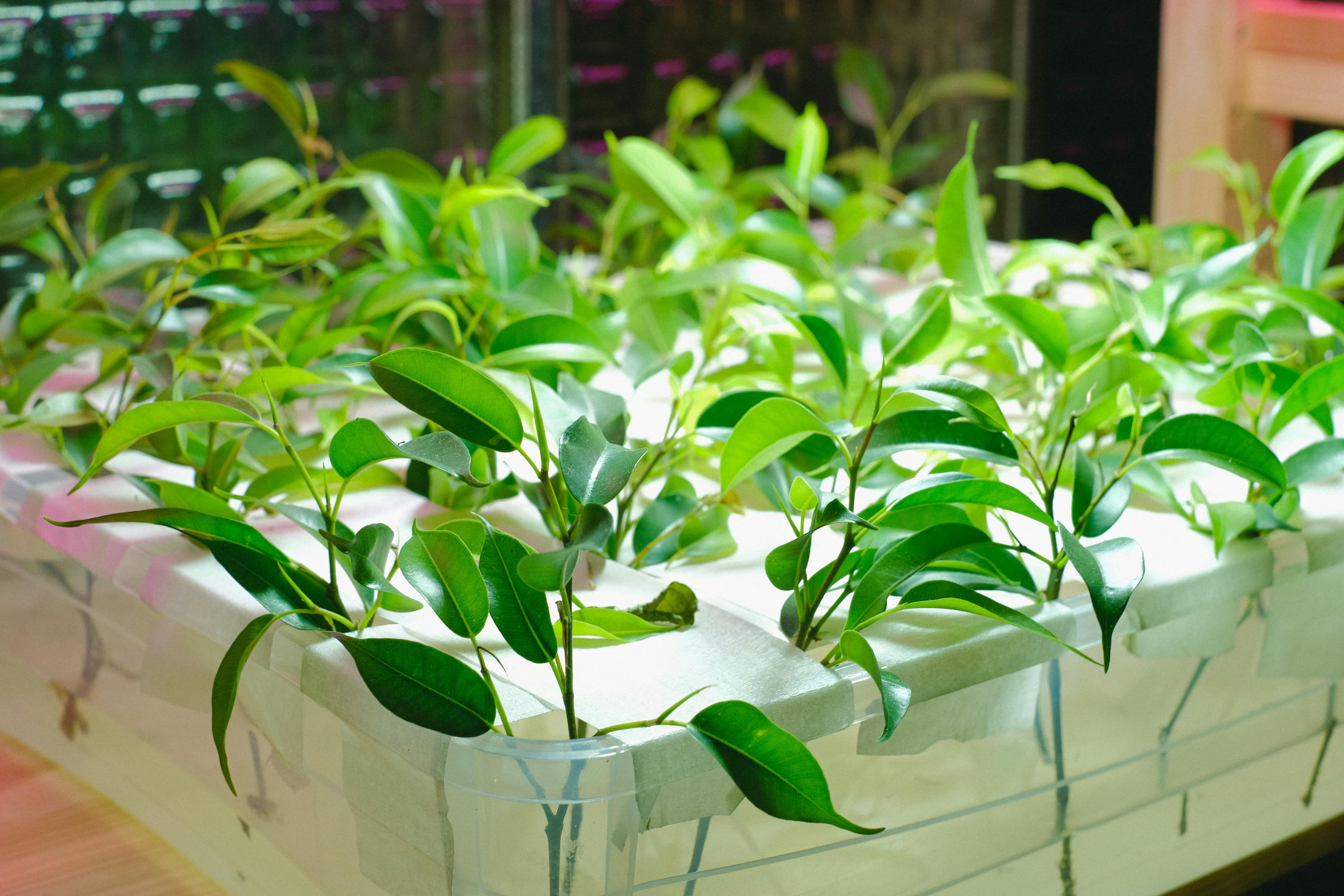
Hydroponics grows plants in nutrient water without soil, delivering up to 50% faster growth and 90% less water use. Soil growing is lower cost and more forgiving for beginners. The right choice depends on your space, budget, and crops.
What is the difference between hydroponics and soil growing?
In soil growing, plants extract nutrients from decomposing organic matter in the growing medium. The soil acts as a buffer — it holds nutrients, regulates pH, and supports beneficial microbial life. Plants grow at a pace determined by how efficiently their roots can access nutrients.
In hydroponics, nutrients are dissolved directly in water and delivered to roots. Without the work of breaking down soil, plants channel more energy into leaf and fruit production. The absence of soil also eliminates many common soil-borne diseases and pests.
How much faster do hydroponic plants grow compared to soil?
Hydroponic plants typically grow 30–50% faster than their soil-grown counterparts under equivalent light conditions. Key reasons:
- Direct nutrient access: No root foraging required
- Optimised oxygen: Well-designed hydroponic systems deliver more oxygen to roots than typical soil
- Controlled environment: No nutrient variation due to soil composition
Lettuce grown in DWC hydroponics reaches harvest in 25–30 days versus 45–60 days in soil. Basil cycles in 3 weeks hydroponically versus 5–6 weeks in a pot.
Which method uses less water: hydroponics or soil?
Hydroponic systems use up to 90% less water than traditional soil growing. In recirculating systems (DWC, NFT, ebb and flow), water is captured and reused — only evaporation and plant uptake cause losses.
Soil irrigation loses significant water to:
- Runoff and drainage
- Evaporation from the soil surface
- Deep percolation past the root zone
Even passive Kratky hydroponics uses water more efficiently than container soil growing, because every drop goes directly to the root zone.
What are the startup costs for hydroponics vs soil growing?
| Attribute | Hydroponics (Basic) | Hydroponics (Advanced) | Soil Growing |
|---|---|---|---|
| Startup cost | $20–$80 (Kratky/DWC) | $200–$1,000+ | $5–$50 |
| Ongoing nutrient cost | $10–$30/month | $30–$100/month | $5–$20/month (fertiliser) |
| Equipment needed | Container, nutrients | Pumps, grow tent, lights | Pots, soil, basic tools |
| Learning curve | Moderate | High | Low |
| Failure risk | Higher for beginners | Requires monitoring | Lower, more forgiving |
| Space efficiency | Very high | Very high | Low–Medium |
Is hydroponic produce safer and more nutritious than soil-grown?
Nutritionally, hydroponics and soil-grown produce are comparable when both systems are optimised. Some studies show hydroponic leafy greens can have higher vitamin C and antioxidant content due to controlled lighting and nutrient formulation.
Safety-wise, hydroponics eliminates soil-borne pathogens like E. coli contamination from compost. However, hydroponic systems require proper sanitation — nutrient reservoirs can harbour harmful bacteria if not maintained.
Organic certification is not available for most hydroponic systems in many jurisdictions, which matters for some consumers.
Which method is better for indoor urban farming?
Hydroponics is superior for indoor urban farming for three reasons:
- No soil weight: A 5-litre DWC container weighs far less than the equivalent soil pot, enabling rooftop and high-rise farming
- Space efficiency: Vertical hydroponic towers achieve 4–10× more yield per square foot than soil beds
- Year-round production: Controlled nutrient delivery enables consistent harvests regardless of season
For rooftop gardens, balcony growing, or indoor urban farms, hydroponics — particularly NFT channels and tower systems — is the standard choice.
Frequently Asked Questions
Can I switch from soil to hydroponics without buying expensive equipment?
Does hydroponics require more time and attention than soil growing?
Can I grow root vegetables like carrots and potatoes hydroponically?
title: "Hydroponics vs Soil: Which Growing Method Is Right for You?" lastUpdated: "2026-03-22" farmingMethod: hydroponics level: beginner slug: hydroponics/vs-soil
Last updated: March 22, 2026
Hydroponics grows plants in nutrient water without soil, delivering up to 50% faster growth and 90% less water use. Soil growing is lower cost and more forgiving for beginners. The right choice depends on your space, budget, and crops.
What is the difference between hydroponics and soil growing?
In soil growing, plants extract nutrients from decomposing organic matter in the growing medium. The soil acts as a buffer — it holds nutrients, regulates pH, and supports beneficial microbial life. Plants grow at a pace determined by how efficiently their roots can access nutrients.
In hydroponics, nutrients are dissolved directly in water and delivered to roots. Without the work of breaking down soil, plants channel more energy into leaf and fruit production. The absence of soil also eliminates many common soil-borne diseases and pests.
How much faster do hydroponic plants grow compared to soil?
Hydroponic plants typically grow 30–50% faster than their soil-grown counterparts under equivalent light conditions. Key reasons:
- Direct nutrient access: No root foraging required
- Optimised oxygen: Well-designed hydroponic systems deliver more oxygen to roots than typical soil
- Controlled environment: No nutrient variation due to soil composition
Lettuce grown in DWC hydroponics reaches harvest in 25–30 days versus 45–60 days in soil. Basil cycles in 3 weeks hydroponically versus 5–6 weeks in a pot.
Which method uses less water: hydroponics or soil?
Hydroponic systems use up to 90% less water than traditional soil growing. In recirculating systems (DWC, NFT, ebb and flow), water is captured and reused — only evaporation and plant uptake cause losses.
Soil irrigation loses significant water to:
- Runoff and drainage
- Evaporation from the soil surface
- Deep percolation past the root zone
Even passive Kratky hydroponics uses water more efficiently than container soil growing, because every drop goes directly to the root zone.
What are the startup costs for hydroponics vs soil growing?
| Attribute | Hydroponics (Basic) | Hydroponics (Advanced) | Soil Growing |
|---|---|---|---|
| Startup cost | $20–$80 (Kratky/DWC) | $200–$1,000+ | $5–$50 |
| Ongoing nutrient cost | $10–$30/month | $30–$100/month | $5–$20/month (fertiliser) |
| Equipment needed | Container, nutrients | Pumps, grow tent, lights | Pots, soil, basic tools |
| Learning curve | Moderate | High | Low |
| Failure risk | Higher for beginners | Requires monitoring | Lower, more forgiving |
| Space efficiency | Very high | Very high | Low–Medium |
Is hydroponic produce safer and more nutritious than soil-grown?
Nutritionally, hydroponics and soil-grown produce are comparable when both systems are optimised. Some studies show hydroponic leafy greens can have higher vitamin C and antioxidant content due to controlled lighting and nutrient formulation.
Safety-wise, hydroponics eliminates soil-borne pathogens like E. coli contamination from compost. However, hydroponic systems require proper sanitation — nutrient reservoirs can harbour harmful bacteria if not maintained.
Organic certification is not available for most hydroponic systems in many jurisdictions, which matters for some consumers.
Which method is better for indoor urban farming?
Hydroponics is superior for indoor urban farming for three reasons:
- No soil weight: A 5-litre DWC container weighs far less than the equivalent soil pot, enabling rooftop and high-rise farming
- Space efficiency: Vertical hydroponic towers achieve 4–10× more yield per square foot than soil beds
- Year-round production: Controlled nutrient delivery enables consistent harvests regardless of season
For rooftop gardens, balcony growing, or indoor urban farms, hydroponics — particularly NFT channels and tower systems — is the standard choice.
Frequently Asked Questions
Can I switch from soil to hydroponics without buying expensive equipment?
Does hydroponics require more time and attention than soil growing?
Can I grow root vegetables like carrots and potatoes hydroponically?
title: "Hydroponics vs Soil: Which Growing Method Is Right for You?" lastUpdated: "2026-03-22" farmingMethod: hydroponics level: beginner slug: hydroponics/vs-soil
Last updated: March 22, 2026
Hydroponics grows plants in nutrient water without soil, delivering up to 50% faster growth and 90% less water use. Soil growing is lower cost and more forgiving for beginners. The right choice depends on your space, budget, and crops.
What is the difference between hydroponics and soil growing?
In soil growing, plants extract nutrients from decomposing organic matter in the growing medium. The soil acts as a buffer — it holds nutrients, regulates pH, and supports beneficial microbial life. Plants grow at a pace determined by how efficiently their roots can access nutrients.
In hydroponics, nutrients are dissolved directly in water and delivered to roots. Without the work of breaking down soil, plants channel more energy into leaf and fruit production. The absence of soil also eliminates many common soil-borne diseases and pests.
How much faster do hydroponic plants grow compared to soil?
Hydroponic plants typically grow 30–50% faster than their soil-grown counterparts under equivalent light conditions. Key reasons:
- Direct nutrient access: No root foraging required
- Optimised oxygen: Well-designed hydroponic systems deliver more oxygen to roots than typical soil
- Controlled environment: No nutrient variation due to soil composition
Lettuce grown in DWC hydroponics reaches harvest in 25–30 days versus 45–60 days in soil. Basil cycles in 3 weeks hydroponically versus 5–6 weeks in a pot.
Which method uses less water: hydroponics or soil?
Hydroponic systems use up to 90% less water than traditional soil growing. In recirculating systems (DWC, NFT, ebb and flow), water is captured and reused — only evaporation and plant uptake cause losses.
Soil irrigation loses significant water to:
- Runoff and drainage
- Evaporation from the soil surface
- Deep percolation past the root zone
Even passive Kratky hydroponics uses water more efficiently than container soil growing, because every drop goes directly to the root zone.
What are the startup costs for hydroponics vs soil growing?
| Attribute | Hydroponics (Basic) | Hydroponics (Advanced) | Soil Growing |
|---|---|---|---|
| Startup cost | $20–$80 (Kratky/DWC) | $200–$1,000+ | $5–$50 |
| Ongoing nutrient cost | $10–$30/month | $30–$100/month | $5–$20/month (fertiliser) |
| Equipment needed | Container, nutrients | Pumps, grow tent, lights | Pots, soil, basic tools |
| Learning curve | Moderate | High | Low |
| Failure risk | Higher for beginners | Requires monitoring | Lower, more forgiving |
| Space efficiency | Very high | Very high | Low–Medium |
Is hydroponic produce safer and more nutritious than soil-grown?
Nutritionally, hydroponics and soil-grown produce are comparable when both systems are optimised. Some studies show hydroponic leafy greens can have higher vitamin C and antioxidant content due to controlled lighting and nutrient formulation.
Safety-wise, hydroponics eliminates soil-borne pathogens like E. coli contamination from compost. However, hydroponic systems require proper sanitation — nutrient reservoirs can harbour harmful bacteria if not maintained.
Organic certification is not available for most hydroponic systems in many jurisdictions, which matters for some consumers.
Which method is better for indoor urban farming?
Hydroponics is superior for indoor urban farming for three reasons:
- No soil weight: A 5-litre DWC container weighs far less than the equivalent soil pot, enabling rooftop and high-rise farming
- Space efficiency: Vertical hydroponic towers achieve 4–10× more yield per square foot than soil beds
- Year-round production: Controlled nutrient delivery enables consistent harvests regardless of season
For rooftop gardens, balcony growing, or indoor urban farms, hydroponics — particularly NFT channels and tower systems — is the standard choice.
Frequently Asked Questions
Can I switch from soil to hydroponics without buying expensive equipment?
Does hydroponics require more time and attention than soil growing?
Can I grow root vegetables like carrots and potatoes hydroponically?
title: "Hydroponics vs Soil: Which Growing Method Is Right for You?" lastUpdated: "2026-03-22" farmingMethod: hydroponics level: beginner slug: hydroponics/vs-soil
Last updated: March 22, 2026
Hydroponics grows plants in nutrient water without soil, delivering up to 50% faster growth and 90% less water use. Soil growing is lower cost and more forgiving for beginners. The right choice depends on your space, budget, and crops.
What is the difference between hydroponics and soil growing?
In soil growing, plants extract nutrients from decomposing organic matter in the growing medium. The soil acts as a buffer — it holds nutrients, regulates pH, and supports beneficial microbial life. Plants grow at a pace determined by how efficiently their roots can access nutrients.
In hydroponics, nutrients are dissolved directly in water and delivered to roots. Without the work of breaking down soil, plants channel more energy into leaf and fruit production. The absence of soil also eliminates many common soil-borne diseases and pests.
How much faster do hydroponic plants grow compared to soil?
Hydroponic plants typically grow 30–50% faster than their soil-grown counterparts under equivalent light conditions. Key reasons:
- Direct nutrient access: No root foraging required
- Optimised oxygen: Well-designed hydroponic systems deliver more oxygen to roots than typical soil
- Controlled environment: No nutrient variation due to soil composition
Lettuce grown in DWC hydroponics reaches harvest in 25–30 days versus 45–60 days in soil. Basil cycles in 3 weeks hydroponically versus 5–6 weeks in a pot.
Which method uses less water: hydroponics or soil?
Hydroponic systems use up to 90% less water than traditional soil growing. In recirculating systems (DWC, NFT, ebb and flow), water is captured and reused — only evaporation and plant uptake cause losses.
Soil irrigation loses significant water to:
- Runoff and drainage
- Evaporation from the soil surface
- Deep percolation past the root zone
Even passive Kratky hydroponics uses water more efficiently than container soil growing, because every drop goes directly to the root zone.
What are the startup costs for hydroponics vs soil growing?
| Attribute | Hydroponics (Basic) | Hydroponics (Advanced) | Soil Growing |
|---|---|---|---|
| Startup cost | $20–$80 (Kratky/DWC) | $200–$1,000+ | $5–$50 |
| Ongoing nutrient cost | $10–$30/month | $30–$100/month | $5–$20/month (fertiliser) |
| Equipment needed | Container, nutrients | Pumps, grow tent, lights | Pots, soil, basic tools |
| Learning curve | Moderate | High | Low |
| Failure risk | Higher for beginners | Requires monitoring | Lower, more forgiving |
| Space efficiency | Very high | Very high | Low–Medium |
Is hydroponic produce safer and more nutritious than soil-grown?
Nutritionally, hydroponics and soil-grown produce are comparable when both systems are optimised. Some studies show hydroponic leafy greens can have higher vitamin C and antioxidant content due to controlled lighting and nutrient formulation.
Safety-wise, hydroponics eliminates soil-borne pathogens like E. coli contamination from compost. However, hydroponic systems require proper sanitation — nutrient reservoirs can harbour harmful bacteria if not maintained.
Organic certification is not available for most hydroponic systems in many jurisdictions, which matters for some consumers.
Which method is better for indoor urban farming?
Hydroponics is superior for indoor urban farming for three reasons:
- No soil weight: A 5-litre DWC container weighs far less than the equivalent soil pot, enabling rooftop and high-rise farming
- Space efficiency: Vertical hydroponic towers achieve 4–10× more yield per square foot than soil beds
- Year-round production: Controlled nutrient delivery enables consistent harvests regardless of season
For rooftop gardens, balcony growing, or indoor urban farms, hydroponics — particularly NFT channels and tower systems — is the standard choice.
Frequently Asked Questions
Can I switch from soil to hydroponics without buying expensive equipment?
Does hydroponics require more time and attention than soil growing?
Can I grow root vegetables like carrots and potatoes hydroponically?
title: "Hydroponics vs Soil: Which Growing Method Is Right for You?" lastUpdated: "2026-03-22" farmingMethod: hydroponics level: beginner slug: hydroponics/vs-soil
Last updated: March 22, 2026
Hydroponics grows plants in nutrient water without soil, delivering up to 50% faster growth and 90% less water use. Soil growing is lower cost and more forgiving for beginners. The right choice depends on your space, budget, and crops.
What is the difference between hydroponics and soil growing?
In soil growing, plants extract nutrients from decomposing organic matter in the growing medium. The soil acts as a buffer — it holds nutrients, regulates pH, and supports beneficial microbial life. Plants grow at a pace determined by how efficiently their roots can access nutrients.
In hydroponics, nutrients are dissolved directly in water and delivered to roots. Without the work of breaking down soil, plants channel more energy into leaf and fruit production. The absence of soil also eliminates many common soil-borne diseases and pests.
How much faster do hydroponic plants grow compared to soil?
Hydroponic plants typically grow 30–50% faster than their soil-grown counterparts under equivalent light conditions. Key reasons:
- Direct nutrient access: No root foraging required
- Optimised oxygen: Well-designed hydroponic systems deliver more oxygen to roots than typical soil
- Controlled environment: No nutrient variation due to soil composition
Lettuce grown in DWC hydroponics reaches harvest in 25–30 days versus 45–60 days in soil. Basil cycles in 3 weeks hydroponically versus 5–6 weeks in a pot.
Which method uses less water: hydroponics or soil?
Hydroponic systems use up to 90% less water than traditional soil growing. In recirculating systems (DWC, NFT, ebb and flow), water is captured and reused — only evaporation and plant uptake cause losses.
Soil irrigation loses significant water to:
- Runoff and drainage
- Evaporation from the soil surface
- Deep percolation past the root zone
Even passive Kratky hydroponics uses water more efficiently than container soil growing, because every drop goes directly to the root zone.
What are the startup costs for hydroponics vs soil growing?
| Attribute | Hydroponics (Basic) | Hydroponics (Advanced) | Soil Growing |
|---|---|---|---|
| Startup cost | $20–$80 (Kratky/DWC) | $200–$1,000+ | $5–$50 |
| Ongoing nutrient cost | $10–$30/month | $30–$100/month | $5–$20/month (fertiliser) |
| Equipment needed | Container, nutrients | Pumps, grow tent, lights | Pots, soil, basic tools |
| Learning curve | Moderate | High | Low |
| Failure risk | Higher for beginners | Requires monitoring | Lower, more forgiving |
| Space efficiency | Very high | Very high | Low–Medium |
Is hydroponic produce safer and more nutritious than soil-grown?
Nutritionally, hydroponics and soil-grown produce are comparable when both systems are optimised. Some studies show hydroponic leafy greens can have higher vitamin C and antioxidant content due to controlled lighting and nutrient formulation.
Safety-wise, hydroponics eliminates soil-borne pathogens like E. coli contamination from compost. However, hydroponic systems require proper sanitation — nutrient reservoirs can harbour harmful bacteria if not maintained.
Organic certification is not available for most hydroponic systems in many jurisdictions, which matters for some consumers.
Which method is better for indoor urban farming?
Hydroponics is superior for indoor urban farming for three reasons:
- No soil weight: A 5-litre DWC container weighs far less than the equivalent soil pot, enabling rooftop and high-rise farming
- Space efficiency: Vertical hydroponic towers achieve 4–10× more yield per square foot than soil beds
- Year-round production: Controlled nutrient delivery enables consistent harvests regardless of season
For rooftop gardens, balcony growing, or indoor urban farms, hydroponics — particularly NFT channels and tower systems — is the standard choice.
Frequently Asked Questions
Can I switch from soil to hydroponics without buying expensive equipment?
Does hydroponics require more time and attention than soil growing?
Can I grow root vegetables like carrots and potatoes hydroponically?
title: "Hydroponics vs Soil: Which Growing Method Is Right for You?" lastUpdated: "2026-03-22" farmingMethod: hydroponics level: beginner slug: hydroponics/vs-soil
Last updated: March 22, 2026
Hydroponics grows plants in nutrient water without soil, delivering up to 50% faster growth and 90% less water use. Soil growing is lower cost and more forgiving for beginners. The right choice depends on your space, budget, and crops.
What is the difference between hydroponics and soil growing?
In soil growing, plants extract nutrients from decomposing organic matter in the growing medium. The soil acts as a buffer — it holds nutrients, regulates pH, and supports beneficial microbial life. Plants grow at a pace determined by how efficiently their roots can access nutrients.
In hydroponics, nutrients are dissolved directly in water and delivered to roots. Without the work of breaking down soil, plants channel more energy into leaf and fruit production. The absence of soil also eliminates many common soil-borne diseases and pests.
How much faster do hydroponic plants grow compared to soil?
Hydroponic plants typically grow 30–50% faster than their soil-grown counterparts under equivalent light conditions. Key reasons:
- Direct nutrient access: No root foraging required
- Optimised oxygen: Well-designed hydroponic systems deliver more oxygen to roots than typical soil
- Controlled environment: No nutrient variation due to soil composition
Lettuce grown in DWC hydroponics reaches harvest in 25–30 days versus 45–60 days in soil. Basil cycles in 3 weeks hydroponically versus 5–6 weeks in a pot.
Which method uses less water: hydroponics or soil?
Hydroponic systems use up to 90% less water than traditional soil growing. In recirculating systems (DWC, NFT, ebb and flow), water is captured and reused — only evaporation and plant uptake cause losses.
Soil irrigation loses significant water to:
- Runoff and drainage
- Evaporation from the soil surface
- Deep percolation past the root zone
Even passive Kratky hydroponics uses water more efficiently than container soil growing, because every drop goes directly to the root zone.
What are the startup costs for hydroponics vs soil growing?
| Attribute | Hydroponics (Basic) | Hydroponics (Advanced) | Soil Growing |
|---|---|---|---|
| Startup cost | $20–$80 (Kratky/DWC) | $200–$1,000+ | $5–$50 |
| Ongoing nutrient cost | $10–$30/month | $30–$100/month | $5–$20/month (fertiliser) |
| Equipment needed | Container, nutrients | Pumps, grow tent, lights | Pots, soil, basic tools |
| Learning curve | Moderate | High | Low |
| Failure risk | Higher for beginners | Requires monitoring | Lower, more forgiving |
| Space efficiency | Very high | Very high | Low–Medium |
Is hydroponic produce safer and more nutritious than soil-grown?
Nutritionally, hydroponics and soil-grown produce are comparable when both systems are optimised. Some studies show hydroponic leafy greens can have higher vitamin C and antioxidant content due to controlled lighting and nutrient formulation.
Safety-wise, hydroponics eliminates soil-borne pathogens like E. coli contamination from compost. However, hydroponic systems require proper sanitation — nutrient reservoirs can harbour harmful bacteria if not maintained.
Organic certification is not available for most hydroponic systems in many jurisdictions, which matters for some consumers.
Which method is better for indoor urban farming?
Hydroponics is superior for indoor urban farming for three reasons:
- No soil weight: A 5-litre DWC container weighs far less than the equivalent soil pot, enabling rooftop and high-rise farming
- Space efficiency: Vertical hydroponic towers achieve 4–10× more yield per square foot than soil beds
- Year-round production: Controlled nutrient delivery enables consistent harvests regardless of season
For rooftop gardens, balcony growing, or indoor urban farms, hydroponics — particularly NFT channels and tower systems — is the standard choice.
Frequently Asked Questions
Can I switch from soil to hydroponics without buying expensive equipment?
Does hydroponics require more time and attention than soil growing?
Can I grow root vegetables like carrots and potatoes hydroponically?
title: "Hydroponics vs Soil: Which Growing Method Is Right for You?" lastUpdated: "2026-03-22" farmingMethod: hydroponics level: beginner slug: hydroponics/vs-soil
Last updated: March 22, 2026
Hydroponics grows plants in nutrient water without soil, delivering up to 50% faster growth and 90% less water use. Soil growing is lower cost and more forgiving for beginners. The right choice depends on your space, budget, and crops.
What is the difference between hydroponics and soil growing?
In soil growing, plants extract nutrients from decomposing organic matter in the growing medium. The soil acts as a buffer — it holds nutrients, regulates pH, and supports beneficial microbial life. Plants grow at a pace determined by how efficiently their roots can access nutrients.
In hydroponics, nutrients are dissolved directly in water and delivered to roots. Without the work of breaking down soil, plants channel more energy into leaf and fruit production. The absence of soil also eliminates many common soil-borne diseases and pests.
How much faster do hydroponic plants grow compared to soil?
Hydroponic plants typically grow 30–50% faster than their soil-grown counterparts under equivalent light conditions. Key reasons:
- Direct nutrient access: No root foraging required
- Optimised oxygen: Well-designed hydroponic systems deliver more oxygen to roots than typical soil
- Controlled environment: No nutrient variation due to soil composition
Lettuce grown in DWC hydroponics reaches harvest in 25–30 days versus 45–60 days in soil. Basil cycles in 3 weeks hydroponically versus 5–6 weeks in a pot.
Which method uses less water: hydroponics or soil?
Hydroponic systems use up to 90% less water than traditional soil growing. In recirculating systems (DWC, NFT, ebb and flow), water is captured and reused — only evaporation and plant uptake cause losses.
Soil irrigation loses significant water to:
- Runoff and drainage
- Evaporation from the soil surface
- Deep percolation past the root zone
Even passive Kratky hydroponics uses water more efficiently than container soil growing, because every drop goes directly to the root zone.
What are the startup costs for hydroponics vs soil growing?
| Attribute | Hydroponics (Basic) | Hydroponics (Advanced) | Soil Growing |
|---|---|---|---|
| Startup cost | $20–$80 (Kratky/DWC) | $200–$1,000+ | $5–$50 |
| Ongoing nutrient cost | $10–$30/month | $30–$100/month | $5–$20/month (fertiliser) |
| Equipment needed | Container, nutrients | Pumps, grow tent, lights | Pots, soil, basic tools |
| Learning curve | Moderate | High | Low |
| Failure risk | Higher for beginners | Requires monitoring | Lower, more forgiving |
| Space efficiency | Very high | Very high | Low–Medium |
Is hydroponic produce safer and more nutritious than soil-grown?
Nutritionally, hydroponics and soil-grown produce are comparable when both systems are optimised. Some studies show hydroponic leafy greens can have higher vitamin C and antioxidant content due to controlled lighting and nutrient formulation.
Safety-wise, hydroponics eliminates soil-borne pathogens like E. coli contamination from